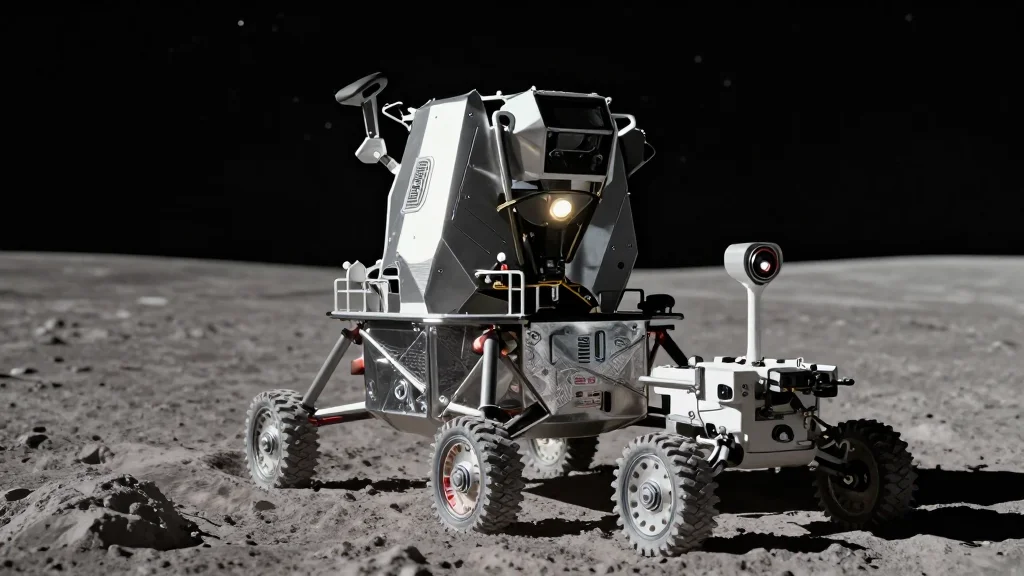
Japan’s Lunar Lander Startup Ispace Wins Contract with Korean Rover Startup
Companies Mentioned
Why It Matters
The deal showcases growing Japan‑Korea commercial space collaboration and gives Ispace a revenue‑generating payload, while positioning Korea to join the elite group of nations with lunar rovers, accelerating regional competition in the private lunar market.
Key Takeaways
- •Ispace secures Korean rover payload for 2028 ULTRA mission
- •ULTRA will be Ispace’s first flight of new lander design
- •Mission marks Korea’s inaugural lunar rover deployment
- •Ispace still needs successful touchdown after two prior failures
- •Contracts include Japanese government, Space Strategy Fund, and NASA
Pulse Analysis
Ispace, founded in 2010, has become one of Japan’s most visible private lunar‑exploration firms. After two landers reached the Moon only to crash moments before touchdown, the company redirected its engineering resources toward a larger vehicle dubbed ULTRA. Unlike its earlier prototypes, ULTRA is built to carry commercial payloads and is slated for its first flight on Mission 3 in 2028. The upcoming launch is a critical milestone; a successful soft‑landing would validate Ispace’s technology, unlock further government contracts, and attract private investors eager for a foothold in the emerging lunar economy.
South‑Korean startup Unmanned Exploration Laboratory (UEL) will hitch its two‑wheeled rover to the ULTRA platform, making it the first Korean payload to operate on the Moon. The agreement not only provides Ispace with a commercial customer but also signals Korea’s intent to transition from satellite launch services to surface exploration. By integrating UEL’s rover, both firms gain access to shared testing facilities, navigation software, and launch schedules, accelerating development timelines. S. and European players.
The ULTRA contract arrives as Ispace lines up three additional missions: a 2028 Japanese Ministry of Economy, Trade and Industry launch, a 2029 Space Strategy Fund flight, and a 2030 NASA partnership with Draper. Securing a paying payload for Mission 3 improves the company’s cash flow and strengthens its case for those future bids. For investors, the deal illustrates how private lunar ventures are diversifying revenue streams beyond government subsidies, a key metric for sustainable growth. As more nations eye lunar resources, successful commercial landers like ULTRA could catalyze a new wave of off‑planet mining and tourism opportunities.
Japan’s lunar lander startup Ispace wins contract with Korean rover startup
Comments
Want to join the conversation?
Loading comments...