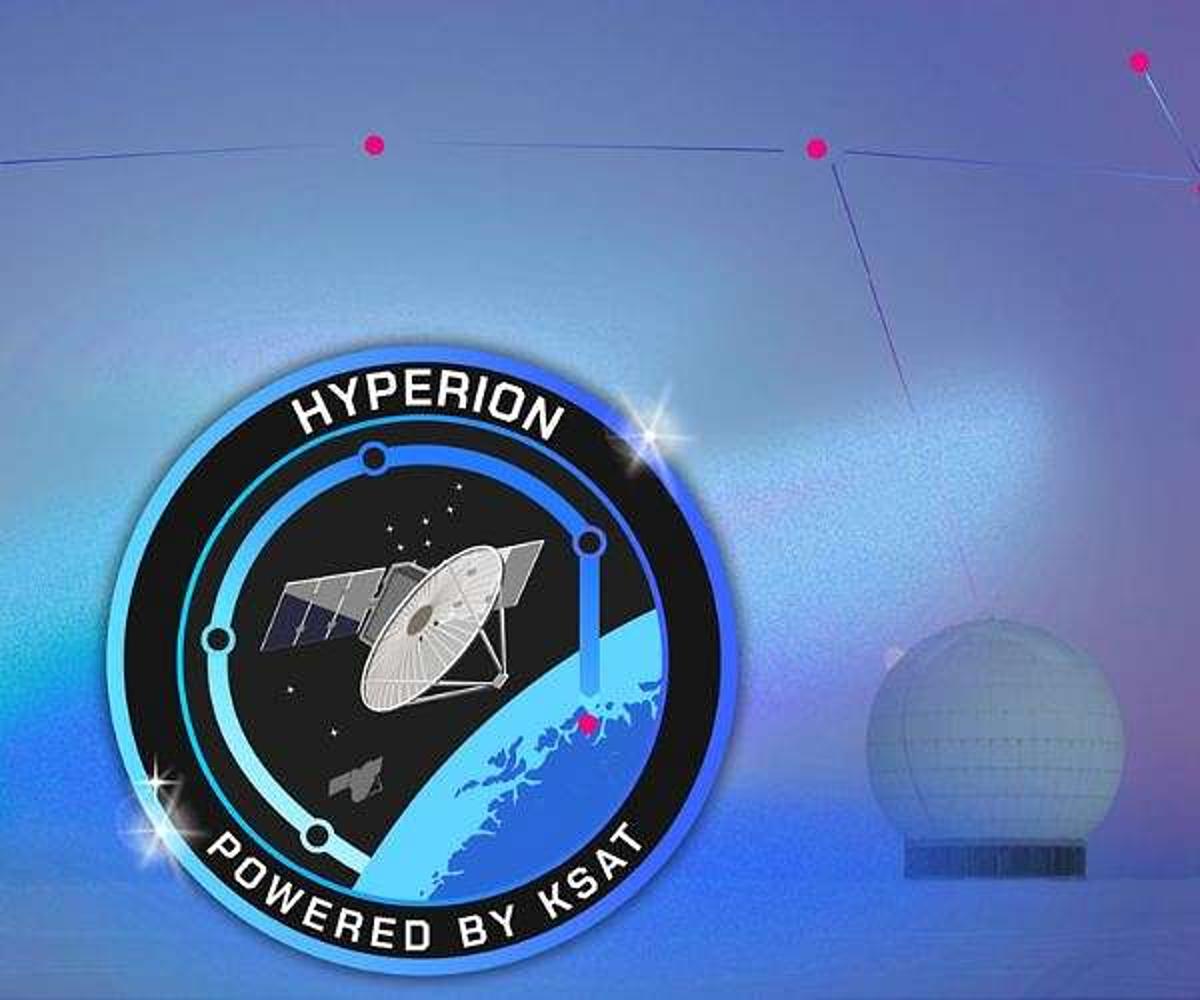
KSAT Prepares Hyperion in Orbit Relay Test for Satellite Data
•February 19, 2026
0
Companies Mentioned

Why It Matters
By adding a low‑Earth‑orbit relay layer, KSAT can deliver near‑real‑time data, boosting mission responsiveness and resilience in an increasingly congested orbital environment. This positions KSAT ahead of competitors in the emerging space‑based communications market.
Key Takeaways
- •Hyperion will test space‑based relay for faster data delivery
- •HYPER adds low‑Earth‑orbit relay to KSAT’s ground network
- •Ka‑band payload enables high‑throughput satellite communications
- •Launch slated for late 2027, targeting operational service
- •Compatible with existing KSAT‑lite customer satellites
Pulse Analysis
The surge in small‑satellite constellations has intensified demand for low‑latency data pathways, a niche KSAT aims to fill with its HYPER architecture. By extending its extensive terrestrial antenna network into low‑Earth orbit, KSAT seeks to bridge the gap between on‑board sensors and ground analysts, reducing the traditional minutes‑to‑hours delay to near‑real‑time. This strategic shift reflects broader industry trends where rapid data turnaround is becoming a mission‑critical parameter, especially for Earth‑observation, disaster response, and defense applications.
Hyperion’s design incorporates dual‑band communications: S‑band for telemetry, tracking, and command, and Ka‑band to support high‑throughput payloads. Inter‑satellite links will enable data to hop between relay nodes before downlinking to established KSAT stations in remote locations such as Svalbard and Antarctica. The 300‑kg platform provides the power and pointing agility required for reliable routing, while maintaining compatibility with KSAT‑lite customers, allowing a seamless transition to the new service without hardware redesigns.
If successful, the HYPER service could redefine ground‑segment economics by offloading a portion of the data handling to space, lowering latency and increasing contact opportunities. This could attract operators seeking resilient, secure communications for time‑sensitive missions, and may spur competitors to pursue similar in‑orbit relay solutions. KSAT’s ten‑year legacy with KSAT‑lite lends credibility, positioning the company to capture a sizable share of the emerging market for space‑based data relay services.
KSAT prepares Hyperion in orbit relay test for satellite data
0
Comments
Want to join the conversation?
Loading comments...