Last Chance for Australians to Send Message to the Universe on Voyager Project’s 50th Anniversary
•February 21, 2026
0
Companies Mentioned

Why It Matters
The project turns ordinary Australians into contributors to interstellar heritage, reinforcing public engagement with space exploration and cultural diplomacy.
Key Takeaways
- •Deadline Feb 27 for Australian messages
- •Over 1,700 participants already contributed recordings
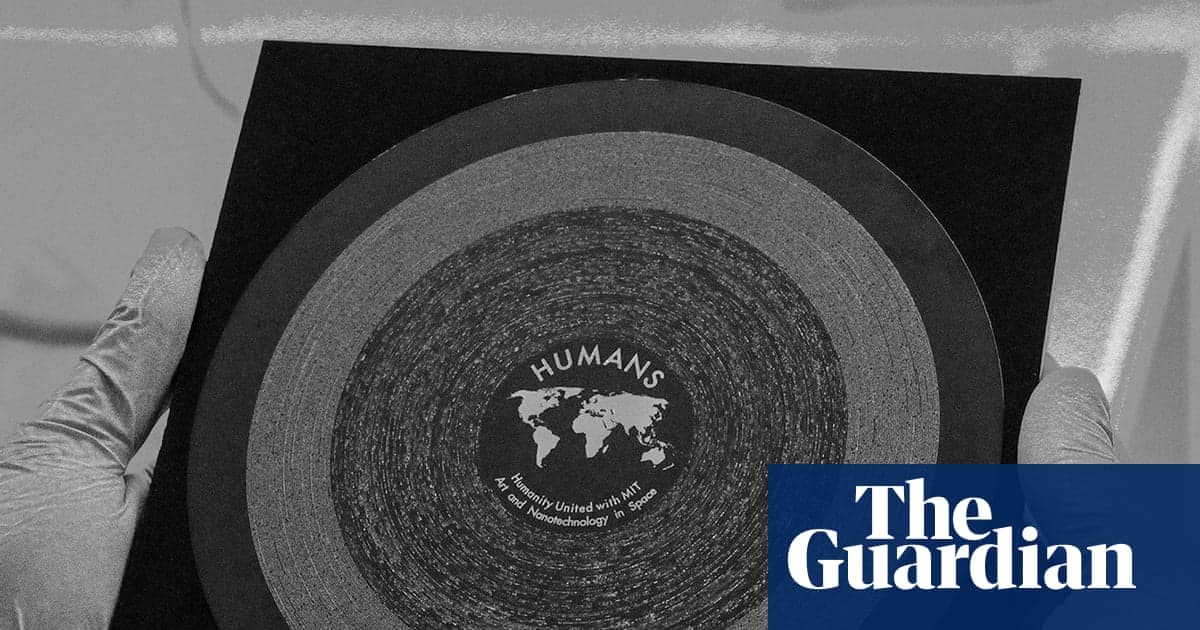
- •MIT nano‑wafer carries audio onto deep‑space mission
- •Democratic message collection contrasts original Golden Record
- •Project seeks unity as world feels fragmented
Pulse Analysis
The Voyager spacecraft, launched in 1977, have become iconic symbols of humanity’s first forays beyond the solar system, each carrying a Golden Record that encapsulated 1970s Earth culture for any extraterrestrial listeners. As the twin probes approach the half‑century mark, the HUMANS Deep Space Message project revives that legacy with a modern twist: a crowdsourced audio capsule built on MIT‑developed nanotechnology. By inviting Australians to record personal reflections, the initiative democratizes space messaging, shifting the narrative from a curated scientific committee to a mosaic of everyday voices.
Technologically, the project leverages a silicone nano‑wafer—an ultra‑light, durable medium capable of surviving the harsh conditions of interstellar space. This cutting‑edge material, co‑developed by Harvard‑trained engineer Dr. Maya Nasr and MIT researchers, ensures that the recorded messages will be transmitted accurately during the upcoming launch tied to Voyager’s anniversary. The use of nanotech not only modernizes the concept of a “record” but also demonstrates how emerging materials can extend humanity’s cultural imprint far beyond Earth.
Beyond the engineering feat, the campaign carries profound cultural and diplomatic weight. By allowing a diverse cross‑section of Australians—children, Indigenous elders, and everyday citizens—to articulate what they want the universe to remember, the project fosters a shared sense of purpose amid global fragmentation. It also positions Australia as an active participant in the narrative of space heritage, showcasing how public engagement can transform scientific milestones into collective storytelling moments that resonate across generations.
Last chance for Australians to send message to the universe on Voyager project’s 50th anniversary
0
Comments
Want to join the conversation?
Loading comments...