Why It Matters
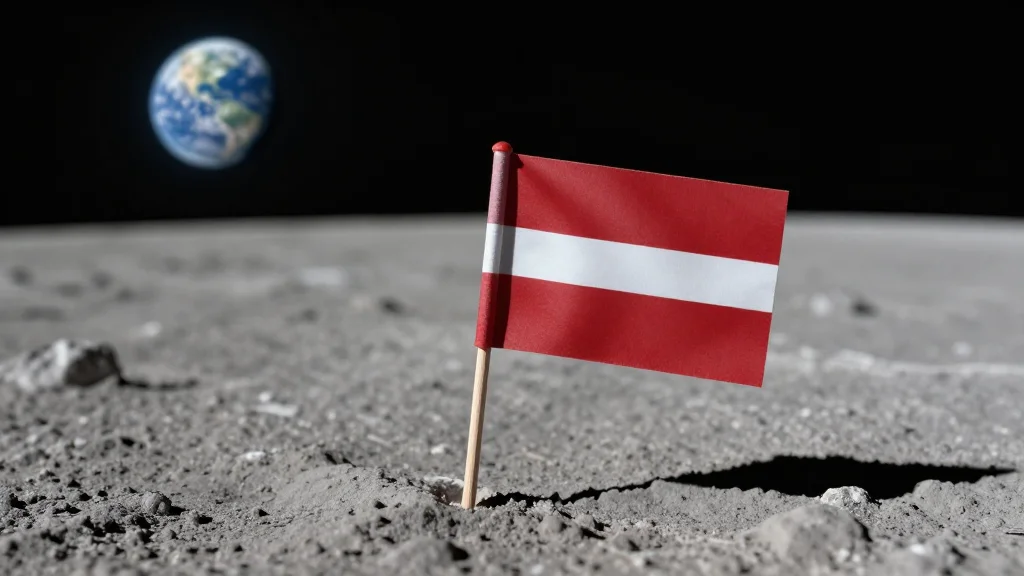
Latvia’s accession deepens U.S. influence in Eastern Europe’s space sector and broadens the commercial and security benefits of the Artemis framework. It signals a clear geopolitical pivot away from Russian space initiatives.
Key Takeaways
- •Latvia becomes 62nd Artemis Accords signatory.
- •All three Baltic states now part of U.S. space alliance.
- •Former Soviet bloc nations increasingly align with U.S. space policy.
- •Signing underscores geopolitical shift away from Russian influence.
- •Artemis Accords now include 62 countries across six continents.
Pulse Analysis
The Artemis Accords, first launched in 2020, set a framework for responsible, peaceful exploration of the Moon and beyond. By signing the agreement, a nation commits to principles such as transparency, interoperability, and the protection of space resources. Latvia’s accession on April 20, 2026 makes it the 62nd signatory, expanding the coalition to include partners from six continents and reinforcing the United States’ vision of a collaborative, civilian‑led space architecture. The agreement also facilitates joint missions, standardizing safety protocols and enabling shared scientific data that can accelerate lunar habitat development.
Latvia joins its Baltic neighbors Estonia and Lithuania, completing a regional bloc that has pivoted toward Washington after decades of Russian dominance. The move mirrors a broader trend among former Eastern‑European and Soviet‑aligned states, such as Poland, Hungary, and the Czech Republic, which view the Accords as a hedge against Moscow’s increasingly isolationist space program. By aligning with U.S. standards, these countries gain access to cutting‑edge launch services and data sharing, while signaling a strategic realignment in the European security landscape. This alignment also strengthens NATO’s space dimension, as member states can coordinate defense‑related satellite operations under a common legal framework.
For Latvia, the Accords open doors to commercial partnerships, research grants, and participation in lunar resource‑utilization studies. The country’s growing university‑level space programs can now tap into NASA’s Artemis technology roadmaps, accelerating domestic talent development. As the coalition expands, investors are likely to view signatory nations as lower‑risk venues for satellite constellations and deep‑space ventures, potentially boosting Latvia’s emerging aerospace sector and contributing to broader economic diversification. Moreover, participation may qualify Latvia for U.S. export‑control exemptions, simplifying the procurement of critical components for its nascent launch industry.
Latvia to sign Artemis Accords
Comments
Want to join the conversation?
Loading comments...