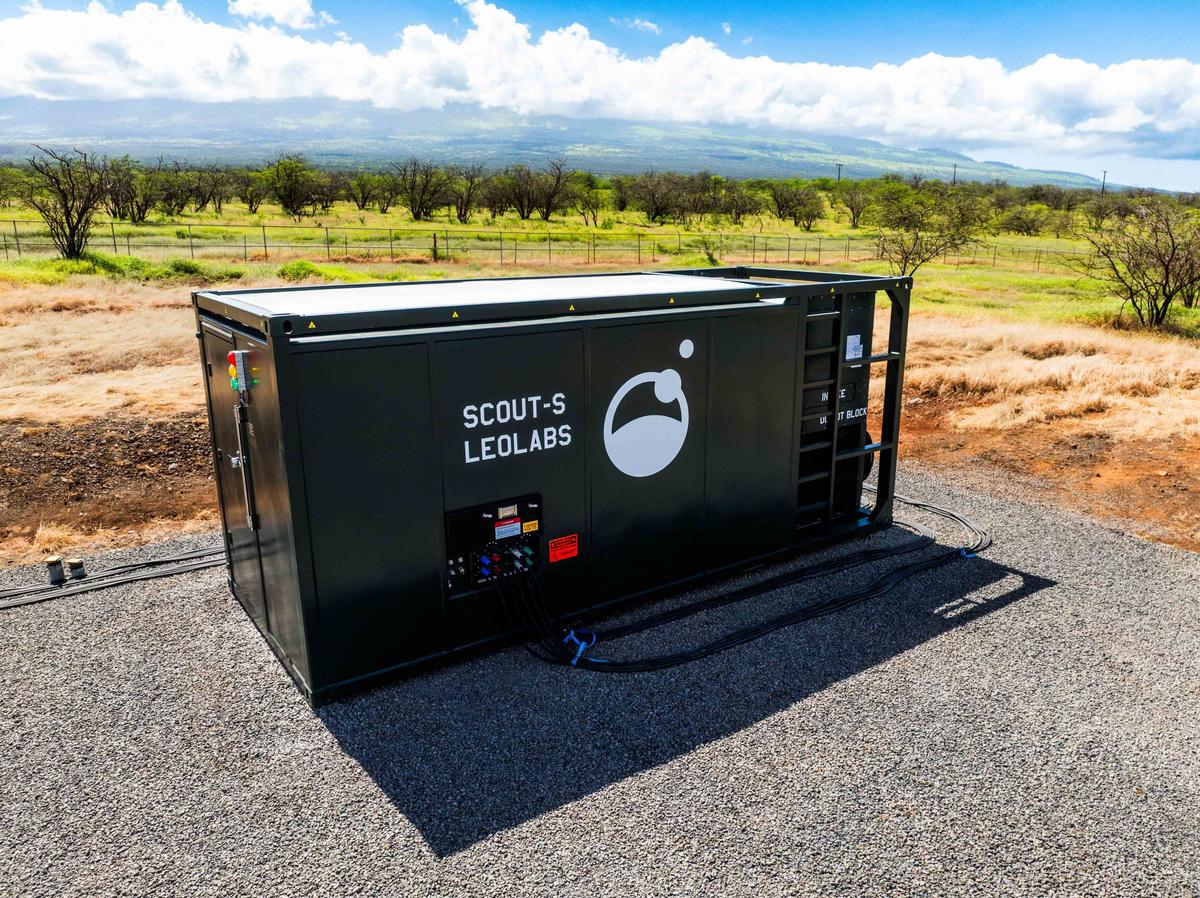
LeoLabs Deploys Mobile Space-Tracking Radar in Indo-Pacific
Companies Mentioned
Why It Matters
Continuous monitoring of maneuverable satellites improves U.S. and allied space domain awareness, reducing the risk of surprise actions by adversaries in a contested Indo‑Pacific arena.
Key Takeaways
- •Scout‑S fits in a 20‑foot container, enabling rapid deployment.
- •Tracks maneuverable Chinese Yaogan satellites between 800‑1,000 km altitude.
- •Enhances U.S. space domain awareness for Indo‑Pacific operations.
- •Supports Valiant Shield 2026 exercise with allied forces.
- •LeoLabs plans Scout‑X missile tracking and Scout‑M maritime versions.
Pulse Analysis
The introduction of LeoLabs’ Scout‑S radar marks a pivotal evolution in space‑domain awareness, moving beyond static cataloguing toward real‑time tracking of objects that can change orbit. Traditional surveillance relied on predictable trajectories, but the rise of maneuverable platforms—such as China’s Yaogan reconnaissance satellites and reusable spaceplanes—demands sensors that can be positioned swiftly and operate continuously. By housing the radar in a standard 20‑foot container, LeoLabs provides a plug‑and‑play solution that can be deployed to hotspots, delivering high‑resolution data within hours of arrival.
Strategically, the mobile radar bolsters U.S. and allied capabilities in the Indo‑Pacific, a region where great‑power competition is intensifying. Its integration into the Valiant Shield 2026 exercise will allow joint forces to test sensor interoperability, data sharing, and response protocols against high‑interest targets. The ability to augment existing ground‑based networks with transportable units enhances resilience, ensuring that a single point of failure cannot blind operators to critical maneuvers. This flexibility is especially valuable for monitoring proximity operations that could precede anti‑satellite actions.
Looking ahead, LeoLabs’ roadmap includes Scout‑X for missile warning and tracking, and Scout‑M for maritime surveillance, signaling a broader market for versatile, deployable sensors. Backed by U.S. Space Force funding and private investment, the company is aligning its commercial catalog of over 26,000 objects with defense demand. As more nations field agile spacecraft, the appetite for rapid‑deployment radar systems is likely to grow, positioning LeoLabs as a key supplier in the emerging niche of mobile space‑surveillance technology.
LeoLabs deploys mobile space-tracking radar in Indo-Pacific
Comments
Want to join the conversation?
Loading comments...