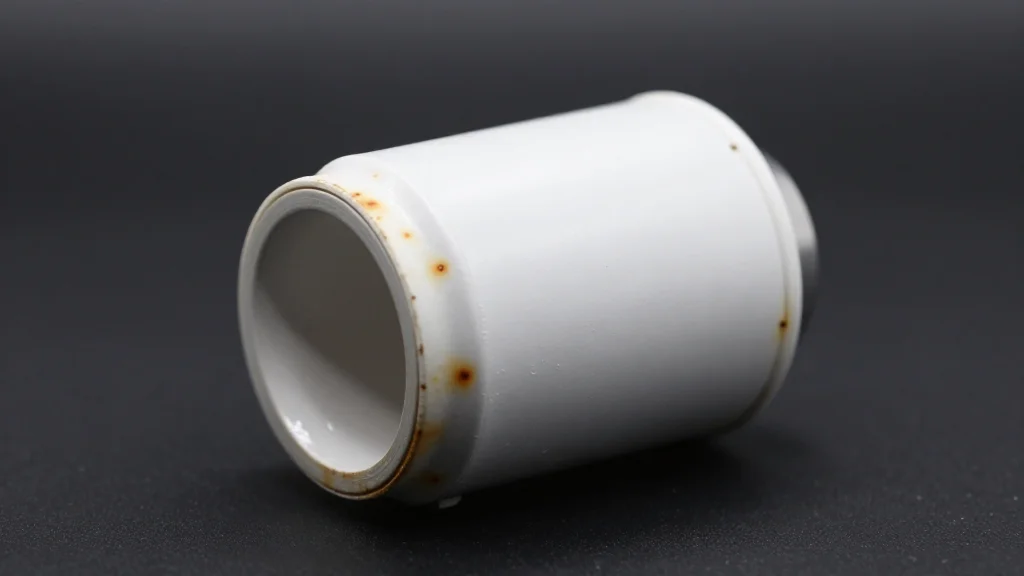
Lunar Gateway Builder Flags Corrosion in HALO Module, Delaying Launch Past 2030

Companies Mentioned
Why It Matters
The HALO corrosion problem threatens to derail NASA’s flagship lunar orbiting outpost, a cornerstone of the agency’s Artemis architecture and a testbed for technologies needed for Mars. A delay beyond 2030 could push back critical capabilities such as in‑orbit refueling, lunar surface logistics, and the development of space‑based AI data centers that rely on a stable orbital platform. Moreover, the issue underscores the growing competition between legacy aerospace firms like Thales and emerging U.S. players, potentially reshaping the supply chain for future deep‑space habitats. If NASA decides the repair is not warranted, the agency may accelerate its pivot to surface habitats, altering the balance of investment between orbital and surface infrastructure. This shift could open new market opportunities for commercial station builders while forcing traditional contractors to adapt their product lines and quality‑assurance practices.
Key Takeaways
- •Northrop Grumman and Thales Alenia Space admit corrosion in HALO habitation module.
- •NASA official Jared Isaacman says repair path is uncertain and may not be warranted.
- •Fix targeted for end of Q3 2026 (≈5 months), but launch could slip past 2030.
- •Original HALO launch was scheduled for 2022; delay impacts Artemis deep‑space plans.
- •Corrosion issue fuels competition among U.S. commercial station builders and European suppliers.
Pulse Analysis
The HALO corrosion disclosure is a textbook case of how hidden engineering flaws can cascade into strategic program delays. NASA’s reliance on a single, high‑profile module for the Gateway made the program vulnerable; once the defect surfaced, the agency’s schedule was forced to accommodate a lengthy remediation effort. Historically, similar setbacks—such as the Orion service module valve issue in 2023—have prompted NASA to diversify its hardware sources and embed more rigorous testing earlier in the development cycle.
From a market perspective, the news could accelerate the rise of private station providers. Companies like Axiom Space, Vast Space, and Voyager have already secured contracts for pressure‑vessel components, positioning themselves as alternatives to Thales. If NASA reallocates funds toward surface habitats or commercial modules, these firms stand to gain significant revenue, potentially reshaping the commercial space station ecosystem.
Strategically, the delay forces a reassessment of the Artemis timeline. The Gateway was intended to serve as a staging point for lunar surface missions and a proving ground for technologies like in‑orbit refueling and space‑based AI data centers. Pushing the launch beyond 2030 compresses the window for testing these systems before the next crewed lunar landing, potentially increasing reliance on surface‑based testbeds. In the long run, the incident may drive NASA to adopt a more modular, incremental approach to deep‑space architecture, spreading risk across multiple, smaller platforms rather than a single, monolithic station.
Lunar Gateway Builder Flags Corrosion in HALO Module, Delaying Launch Past 2030
Comments
Want to join the conversation?
Loading comments...