May 25, 2026 Quick Space Links
Why It Matters
The factory expansion underscores Blue Origin’s push to compete for commercial launch contracts, and United’s Starlink rollout raises the bar for inflight connectivity, reshaping passenger expectations and airline revenue streams.
Key Takeaways
- •Blue Origin approves $600 M expansion of Florida New Glenn factory.
- •Starlink installed on 50 United Airlines jets, offering free Wi‑Fi.
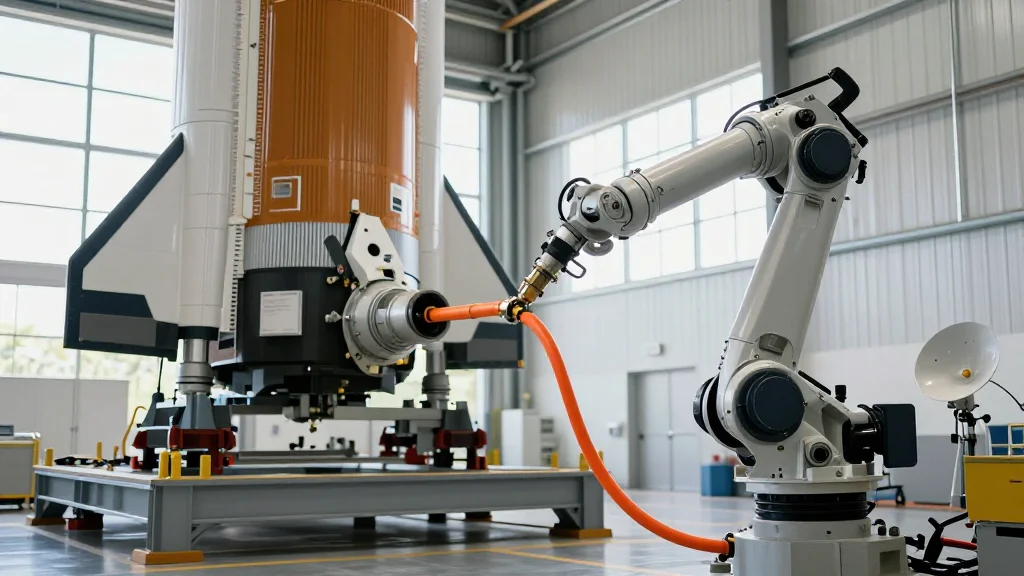
- •Ispace showcases autonomous robot plugging fuel line in test video.
- •Apollo 8 book Genesis released as ebook, paperback, and audiobook.
- •Starliner demo flight landed, but manned missions remain uncertain.
Pulse Analysis
Blue Origin’s $600 million investment in its New Glenn facility marks a decisive step toward scaling up launch‑vehicle output as the commercial space market tightens. The expansion positions the company to meet rising demand from satellite constellations, defense contracts, and potential NASA Artemis missions, directly challenging SpaceX’s dominance at launch sites like Cape Canaveral. By increasing production lines and workforce capacity, Blue Origin aims to reduce per‑launch costs and accelerate its New Shepard and New Glenn vehicle pipelines, signaling confidence in a multi‑year growth trajectory for private spaceflight.
United Airlines’ decision to outfit 50 aircraft with SpaceX’s Starlink broadband reflects a broader industry shift toward ubiquitous, high‑speed inflight connectivity. Free Wi‑Fi on these jets eliminates the $10 ViaSat fee on older planes, enhancing the passenger experience and creating new ancillary revenue opportunities through data‑driven services. The partnership also showcases Starlink’s low‑latency, satellite‑based network as a viable alternative to traditional air‑to‑ground solutions, prompting other carriers to evaluate similar upgrades as connectivity becomes a competitive differentiator.
The promotion of "Genesis: the Story of Apollo 8" highlights the enduring public fascination with historic space achievements. By offering the narrative in ebook, paperback, and audiobook formats—including a free Audible trial—the publisher taps into a growing market for space‑themed media that blends education with entertainment. Such releases not only preserve the legacy of milestones like the 1962 Mercury orbit and the 1844 Morse code transmission but also reinforce the cultural relevance of space exploration amid today’s commercial boom, driving both sales and broader engagement with the sector.
May 25, 2026 Quick space links
Comments
Want to join the conversation?
Loading comments...