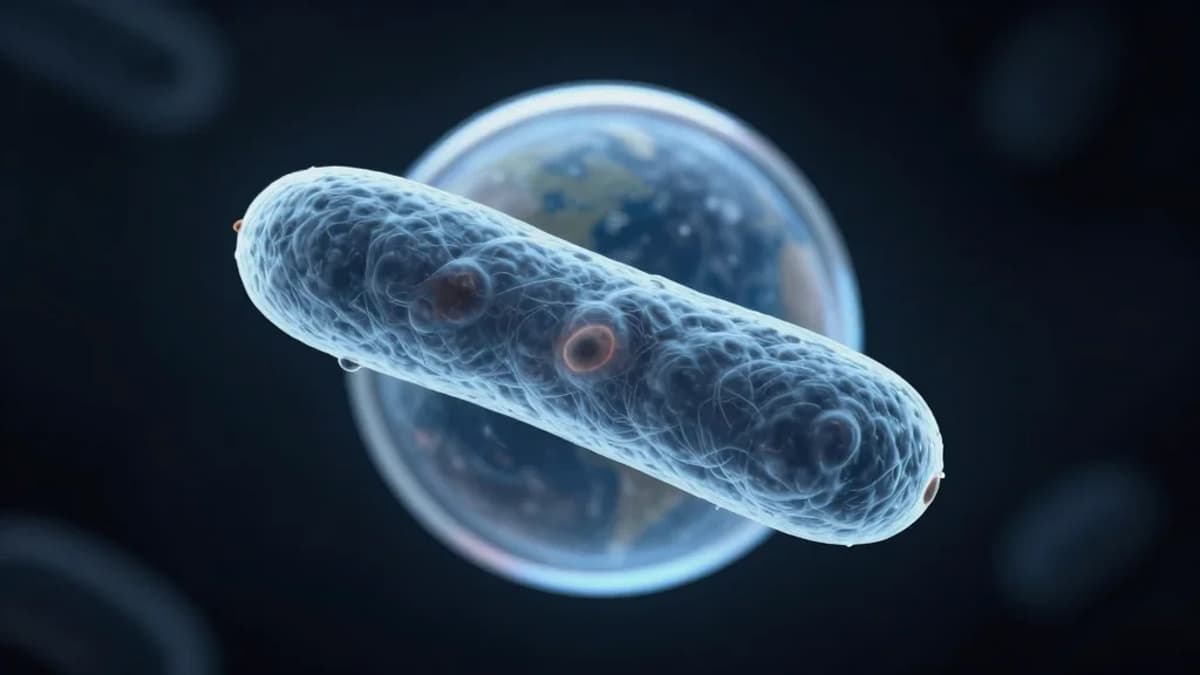
Microgravity Rewires Microbial Metabolism, Limiting Space-Based Manufacturing Efficiency
•January 26, 2026
0
Why It Matters
The reduced biomanufacturing output threatens the viability of on‑orbit production of materials, medicines, and life‑support components, making resilient microbial systems essential for Artemis and deep‑space missions.
Key Takeaways
- •Microgravity hampers substrate transport, lowering melanin yields.
- •Stress-response proteins rise, diverting resources from production.
- •Enzyme levels unchanged; limitation is nutrient delivery.
- •RWV simulations replicate ISS metabolic slowdown on Earth.
- •Engineering must address transport and stress for space biomanufacturing.
Pulse Analysis
Space‑based biomanufacturing promises on‑demand production of critical supplies, yet the physics of microgravity can undermine that promise. Melanin, prized for radiation shielding and thermal stability, serves as a test case for how engineered microbes behave when gravity‑driven convection disappears. Without the buoyant mixing that drives nutrient diffusion on Earth, cells experience uneven substrate distribution, prompting a cascade of metabolic adjustments that prioritize stress mitigation over product synthesis.
The NRL study leveraged proteomic and metabolomic profiling to map these adjustments. Elevated levels of oxidative‑stress proteins, trehalose, and DNA‑repair enzymes signaled that ISS‑grown E. coli were operating in a heightened defensive mode. Simultaneously, key precursors like tyrosine failed to reach intracellular pathways efficiently, despite unchanged expression of the melanin‑producing tyrosinase. This decoupling of enzyme presence from substrate availability illustrates a core challenge: microgravity reshapes fluid dynamics, forcing microbes to reallocate resources toward survival rather than output.
Recognizing these constraints, researchers are exploring bioreactor architectures that reintroduce shear forces and mixing independent of gravity, such as magnetic stirring or acoustic agitation. Parallel ground‑based rotating wall vessels confirm that low‑shear environments replicate the ISS metabolic profile, offering a rapid testing platform for engineered strains. As NASA’s Artemis program and defense agencies plan longer missions beyond low‑Earth orbit, integrating stress‑resilient pathways and transport‑optimized designs will be pivotal to achieving reliable, high‑yield space biomanufacturing.
Microgravity rewires microbial metabolism, limiting space-based manufacturing efficiency
0
Comments
Want to join the conversation?
Loading comments...