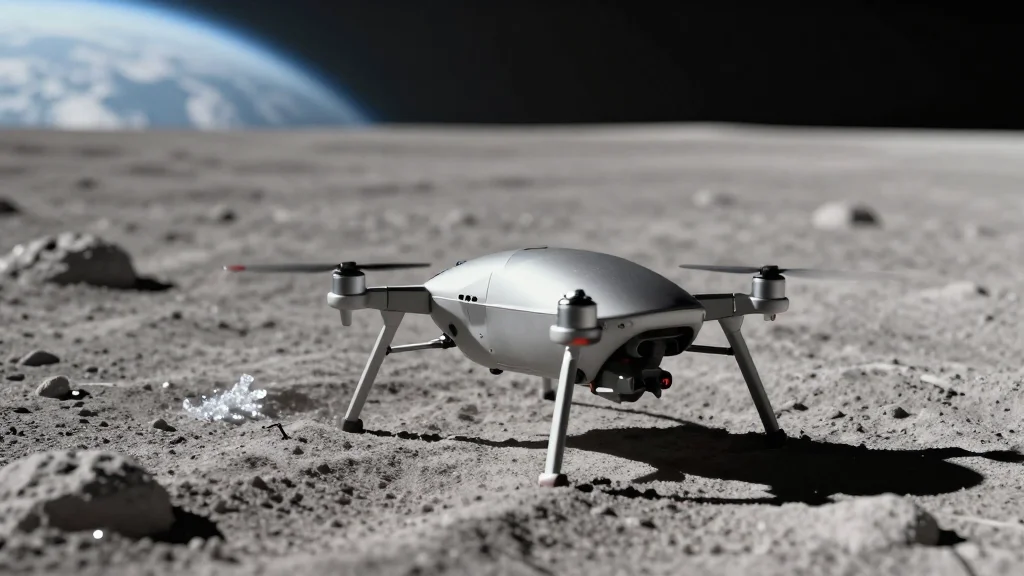
MoonFall: Hop To It for Future Artemis Lunar Landings
Why It Matters
The drone‑generated data reduces risk and cost for Artemis crews, paving the way for a permanent lunar presence.
Key Takeaways
- •Four hopper drones will map the Moon’s south‑pole terrain.
- •Mission supports Artemis crew landing target of 2028.
- •Drones test autonomous navigation and resource‑identification technologies.
- •Data will inform design of future lunar habitats and infrastructure.
Pulse Analysis
NASA’s Artemis program has shifted from a purely crew‑centric timeline to a hybrid approach that leans heavily on robotic precursors. The newly announced MoonFall mission embodies that shift, deploying a quartet of hopper‑style drones to the Moon’s permanently shadowed south‑pole region. By sending these autonomous scouts months before the first astronauts set foot, NASA hopes to generate high‑resolution topography, identify safe landing zones, and locate water‑ice deposits that could fuel future habitats. The data will feed directly into the agency’s 2028 crew‑landing schedule, tightening the margin between exploration and settlement.
The MoonFall drones are engineered for low‑gravity hopping, using electric thrusters to leap over craters and navigate rugged terrain without wheels. Integrated LiDAR, multispectral cameras, and a compact mass spectrometer will map surface roughness, mineral composition, and volatile content in real time. Their autonomous navigation stack leverages AI‑driven obstacle avoidance, allowing the fleet to operate beyond direct line‑of‑sight communication. Demonstrating reliable, repeatable hopping in the harsh lunar environment not only validates a new class of planetary rovers but also reduces the need for costly human‑led reconnaissance missions.
From a commercial perspective, MoonFall opens a pipeline for private firms to supply hardware, data‑analytics services, and in‑situ resource‑utilization technologies. Companies that can process the drone‑generated datasets stand to secure contracts for lunar base design, mining, and even tourism infrastructure. Moreover, the mission’s success will de‑risk the broader Artemis architecture, encouraging additional investment from aerospace manufacturers and venture capitalists focused on the emerging cislunar economy. In short, the hopper fleet is a strategic stepping stone that could accelerate the transition from short‑term exploration to a sustainable lunar industrial ecosystem.
MoonFall: Hop To It for Future Artemis Lunar Landings
Comments
Want to join the conversation?
Loading comments...