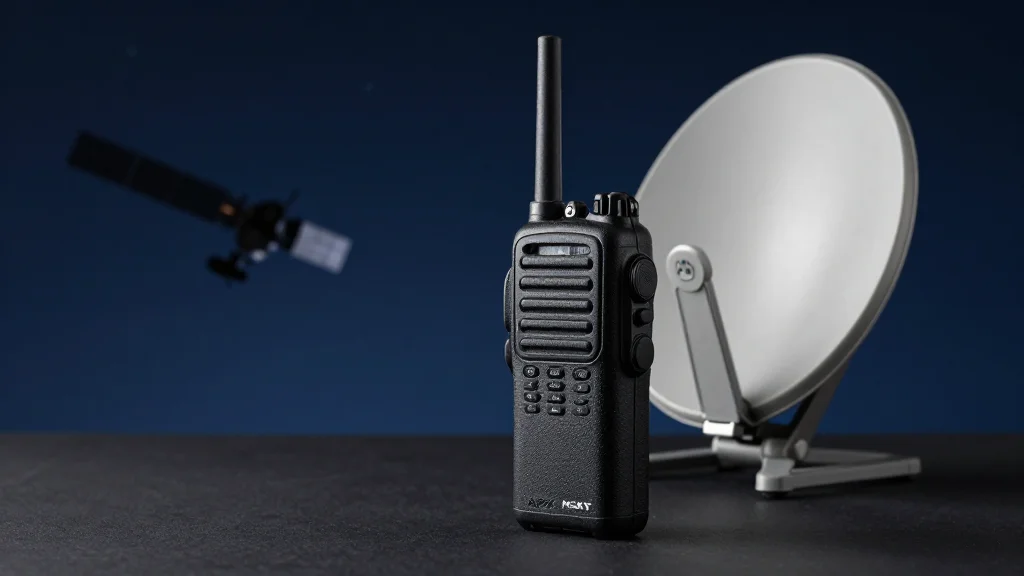
MSI, T-Mobile Bring Satellite-Direct-to-Device Service to Devices
Companies Mentioned
Why It Matters
The partnership dramatically boosts public‑safety communications resilience, reducing dead zones and enabling AI tools that can speed emergency response and decision‑making.
Key Takeaways
- •T‑Satellite adds Starlink LEO backup to APX NEXT
- •SVX body‑worn camera now supports satellite connectivity
- •Dual‑SIM design blends network, Wi‑Fi, LMR, satellite
- •Immediate rollout on radios shipped January 2024
- •Motorola will refresh pre‑2026 units for satellite support
Pulse Analysis
The convergence of satellite‑direct‑to‑device technology with traditional public‑safety radios marks a pivotal shift in emergency communications. By leveraging Starlink’s low‑Earth‑orbit constellation, T‑Satellite provides a reliable backup that operates alongside 5G, Wi‑Fi and land‑mobile‑radio (LMR) networks. This multi‑bearer architecture addresses a longstanding vulnerability—loss of connectivity in remote or disaster‑struck areas—while preserving the mission‑critical P25 standards that first responders rely on. The integration also reflects a broader industry trend where telecom operators and hardware manufacturers collaborate to embed satellite links directly into handheld and body‑worn devices.
For first‑responders on the ground, the practical impact is immediate. The APX NEXT radios and SVX cameras can now switch autonomously between terrestrial broadband, cellular, LMR and satellite, ensuring voice, location and AI‑driven analytics remain available even when conventional networks fail. Agencies such as Ventura County Sheriff’s Office already cite the added redundancy as a game‑changer for off‑grid operations, allowing deputies to maintain clear communication and real‑time data feeds. The AI Assist suite, powered by continuous connectivity, can deliver situational awareness, facial recognition and predictive analytics without interruption, potentially reducing response times and improving officer safety.
Strategically, the Motorola‑T‑Mobile alliance positions both companies at the forefront of a nascent market for resilient, AI‑enabled public‑safety solutions. Competitors like Harris and L3Harris are racing to add satellite capabilities, but Motorola’s early access to Starlink’s network and its T‑Priority service give it a distinct advantage. Future expansions may see the technology rolled out to other mission‑critical sectors, such as utilities and transportation, while regulatory approvals and spectrum allocations will shape the pace of adoption. As satellite constellations grow and costs decline, direct‑to‑device connectivity could become the new baseline for critical communications, redefining how agencies plan for redundancy and digital transformation.
MSI, T-Mobile bring satellite-direct-to-device service to devices
Comments
Want to join the conversation?
Loading comments...