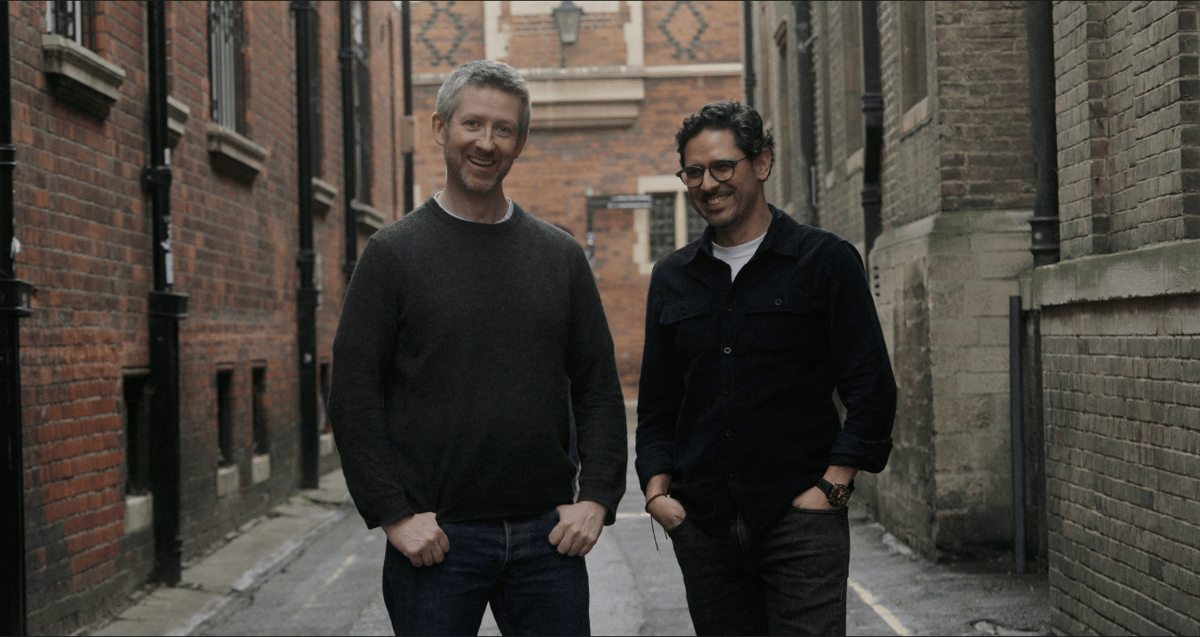
Mutable Tactics Raises $2.1 Million for AI Drone Coordination in Satellite-Denied Environments
•March 4, 2026
0
Why It Matters
Autonomous, communications‑denied drone swarms increase mission resilience and reduce human workload, reshaping modern combat logistics. The funding validates market demand for space‑resilient unmanned systems and accelerates deployment timelines.
Key Takeaways
- •Raised $2.1M pre‑seed for AI drone coordination.
- •Enables autonomous drone swarms in satellite‑denied environments.
- •Backed by Seraphim Space, focusing on space resilience.
- •Validating tech with two European governments under real conditions.
- •Reduces operator workload, boosting mission speed and scale.
Pulse Analysis
The rise of autonomous drone swarms addresses a critical gap in contested environments where satellite‑based positioning and communications are vulnerable to jamming or denial. By leveraging AI-driven coordination, Mutable Tactics’ platform can maintain formation, share intent and execute complex tasks without relying on external signals. This capability not only enhances survivability but also opens new operational concepts for distributed missions, allowing forces to project power across air, sea and land domains with minimal human oversight.
Investors such as Seraphim Space see the technology as a natural extension of space‑enabled capabilities, providing a fallback when the orbital infrastructure is compromised. Their backing underscores a broader trend where venture capital is flowing into defense AI that complements, rather than replaces, existing satellite assets. The emphasis on a "communications‑denied" architecture differentiates Mutable Tactics from competitors that treat connectivity loss as an afterthought, positioning the firm as a strategic partner for both military and commercial customers seeking resilient autonomy.
Validation efforts with two European governments will test the system under realistic operational stressors, from electronic warfare to harsh weather. Successful demonstrations could accelerate adoption across NATO allies, prompting a shift from manual, one‑to‑one drone control to intent‑driven swarm management. Beyond defense, the underlying algorithms have potential applications in disaster response, infrastructure inspection, and logistics, where reliable GPS may be unavailable. As autonomy matures, the balance of human attention versus machine execution will redefine how organizations plan, execute, and monitor complex, distributed missions.
Mutable Tactics raises $2.1 million for AI drone coordination in satellite-denied environments
0
Comments
Want to join the conversation?
Loading comments...