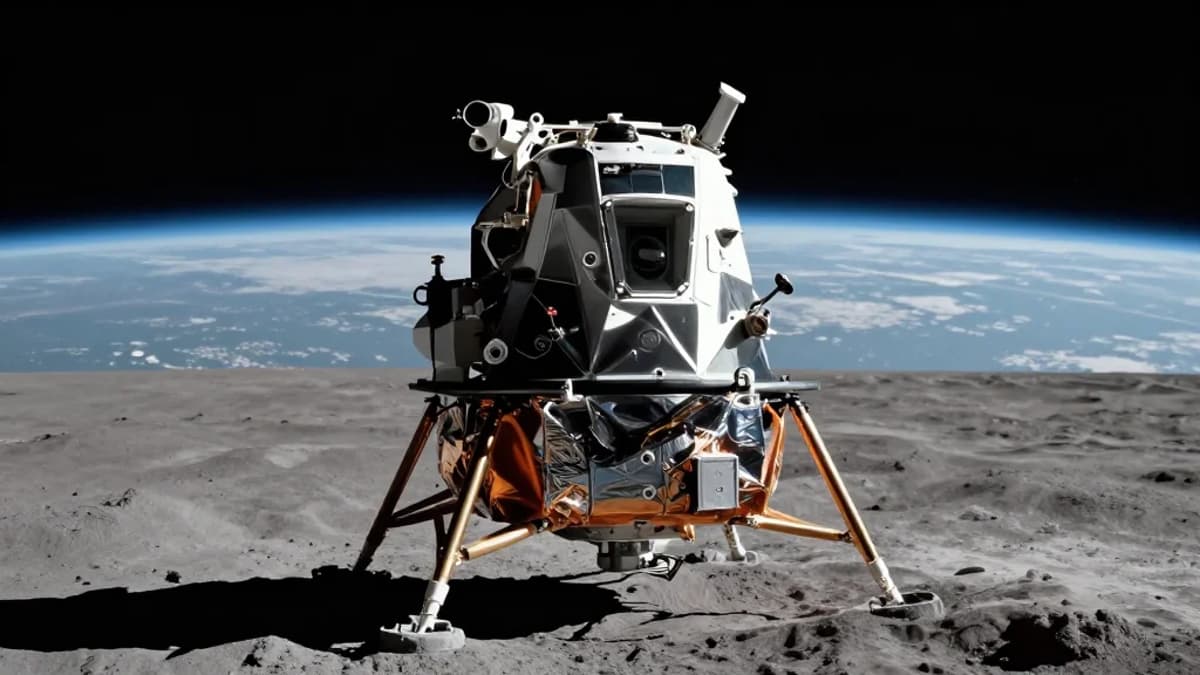
NASA Adds Mission to Artemis Lunar Program, Updates Architecture
•March 2, 2026
0
Why It Matters
The expanded cadence and commercial integration speed U.S. lunar capabilities, sharpening America’s competitive edge in deep‑space exploration and stimulating the domestic space industry.
Key Takeaways
- •Artemis cadence increased to yearly lunar landings
- •Artemis III added for 2027, testing commercial lander docking
- •SLS and Orion configuration standardized to Block 1
- •NASA workforce directive boosts in‑house development
- •Partnerships with SpaceX, Blue Origin, Boeing emphasized
Pulse Analysis
The Artemis program’s latest roadmap reflects a decisive shift from episodic missions to a continuous lunar operations model. By locking the Space Launch System and Orion capsule into a Block 1 configuration, NASA reduces redesign cycles, cuts costs, and improves reliability—mirroring the streamlined approach that powered Apollo’s success. This architectural consistency also simplifies integration with emerging commercial landers, allowing NASA to focus on mission‑critical testing rather than hardware rework.
Commercial participation is now a cornerstone of the Artemis architecture. NASA’s plan for Artemis III includes rendezvous and docking trials with SpaceX’s Starship‑derived lander and Blue Origin’s Blue Moon vehicle, providing a real‑world validation of in‑space logistics and crew transfer. These tests not only de‑risk future surface missions but also create a market for private lunar services, encouraging investment and innovation across the supply chain. Boeing’s continued role in SLS production underscores a hybrid model where government and industry share risk and reward.
Underlying the operational changes is a workforce directive that rebuilds NASA’s core competencies through side‑by‑side development with partners. This internal capability boost is designed to accelerate decision‑making and maintain safety standards amid a more aggressive launch cadence. In the context of rising geopolitical competition, especially from China’s lunar ambitions, the accelerated schedule signals a clear policy commitment to maintain U.S. leadership in deep‑space exploration while fostering a robust domestic space economy.
NASA adds mission to Artemis lunar program, updates architecture
0
Comments
Want to join the conversation?
Loading comments...