NASA Advances NEO Surveyor Toward Final Assembly Ahead of 2027 Launch

Companies Mentioned

Why It Matters
Detecting hazardous NEOs before they approach Earth is the cornerstone of modern planetary defense. NEO Surveyor’s infrared approach addresses a blind spot in current detection networks, potentially reducing the risk of an undetected impact that could cause catastrophic loss of life and property. By delivering a continuous, high‑resolution catalog of objects in the inner solar system, the mission will enable earlier mitigation strategies, from deflection missions to evacuation planning. Beyond safety, the survey will enrich scientific understanding of the solar system’s small‑body population, informing models of planetary formation and the delivery of water and organics to Earth. The data will also support commercial ventures that target asteroid mining, creating new economic opportunities tied to space resources.
Key Takeaways
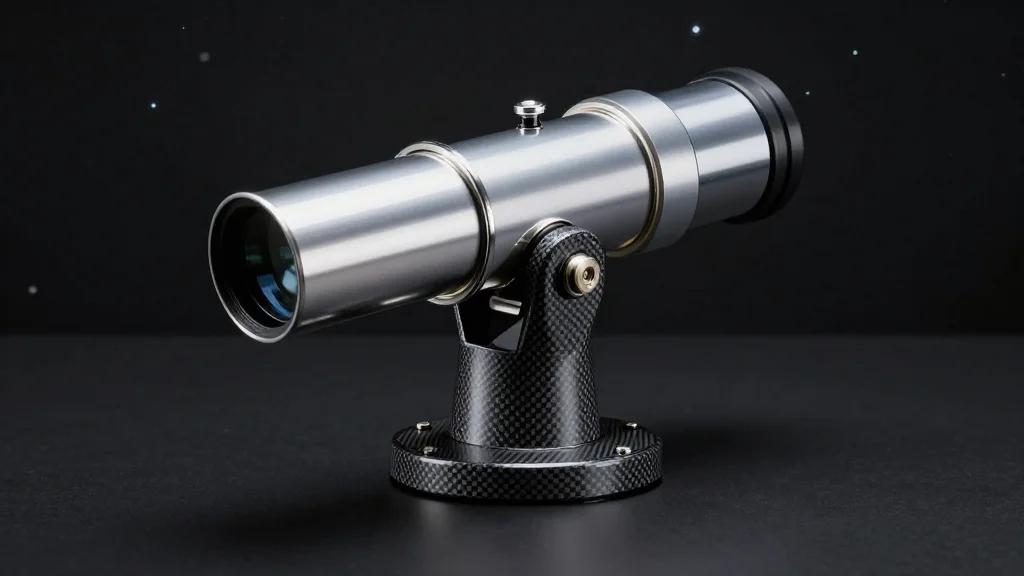
- •Aluminum infrared telescope attached to flight base frame at Space Dynamics Laboratory (Sept 2025)
- •Launch targeted for no earlier than September 2027
- •Spacecraft will operate at Sun‑Earth L1 point, ~1 million miles from Earth
- •Mission fulfills 2005 congressional mandate to catalog hazardous NEOs
- •Infrared survey expected to discover thousands of previously hidden asteroids
Pulse Analysis
NASA’s NEO Surveyor represents the most ambitious dedicated planetary‑defense telescope ever built, and its progress signals a shift from reactive to proactive threat mitigation. Historically, detection relied on ground‑based optical surveys that missed dark, low‑albedo objects and those hidden in the Sun’s glare. By moving the sensor to a thermally stable L1 orbit and using infrared wavelengths, NASA eliminates those blind spots, effectively expanding the observable volume of near‑Earth space by an order of magnitude.
The timing aligns with a broader resurgence of interest in asteroid mitigation, spurred by the DART impact in 2022 and growing commercial interest in asteroid mining. As private firms eye resource extraction, a comprehensive catalog of near‑Earth objects becomes a shared asset, reducing collision risk for both government and commercial missions. The data pipeline from NEO Surveyor will likely become a cornerstone for future deflection missions, providing the precise orbital parameters needed for kinetic‑impact or gravity‑tractor concepts.
However, the mission’s success hinges on sustained funding and launch vehicle availability. Budgetary pressures in the broader NASA portfolio could compress the testing schedule, while competition for launch slots may push the launch window later than the current 2027 target. If NASA can navigate these constraints, NEO Surveyor will not only safeguard the planet but also catalyze a new era of scientific discovery and commercial activity in the small‑body domain.
NASA Advances NEO Surveyor Toward Final Assembly Ahead of 2027 Launch
Comments
Want to join the conversation?
Loading comments...