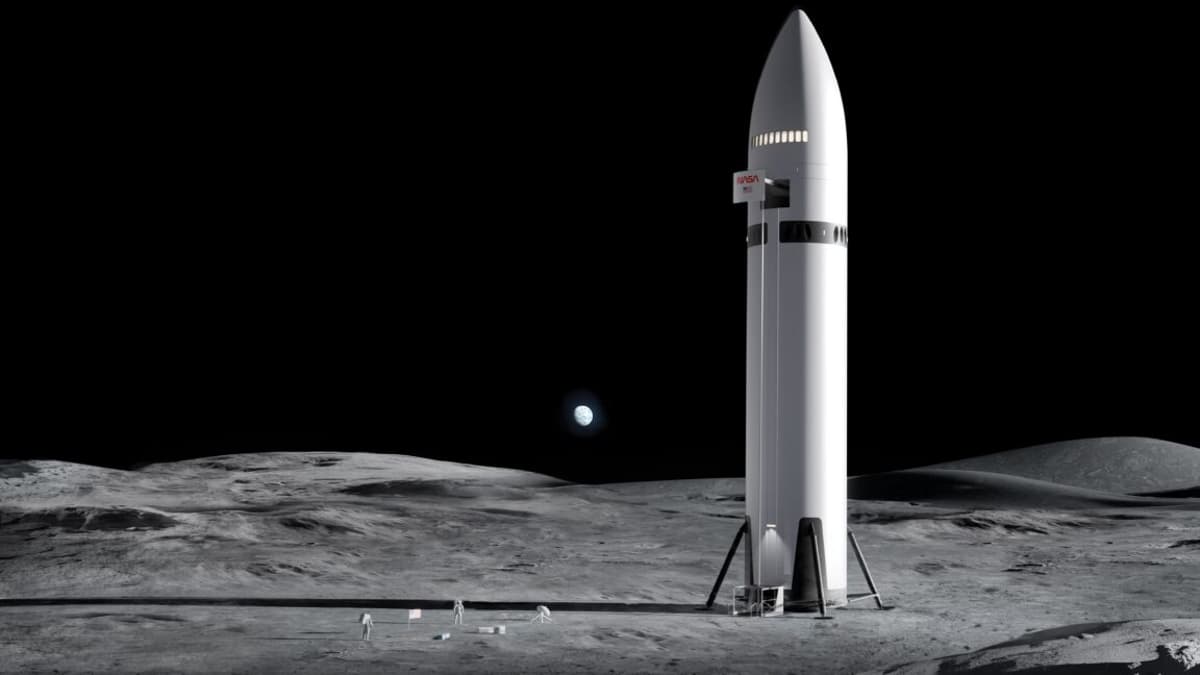
NASA and SpaceX Disagree About Manual Controls for Lunar Lander
•March 10, 2026
0
Why It Matters
Manual‑control capability is central to crew‑survival certification and could dictate whether NASA proceeds with fully automated lunar landings, affecting mission risk and schedule.
Key Takeaways
- •OIG praises fixed‑price contracts for cost control.
- •NASA and SpaceX clash on manual landing controls.
- •Unresolved issue may lead to fully automated lunar landings.
- •Blue Origin has not presented manual control design yet.
- •Past Dragon dispute shaped touchscreen‑joystick compromise.
Pulse Analysis
The Human Landing System (HLS) program represents NASA’s most ambitious partnership with the U.S. commercial space sector, relying on fixed‑price contracts to harness private‑sector innovation while containing taxpayer exposure. The Inspector General’s recent report underscores how this contracting model has delivered cost predictability and allowed NASA to inject its subject‑matter expertise into Starship and Blue Origin’s lunar lander development. Yet, the same report reveals that cost‑control success does not automatically translate into technical alignment, especially when safety‑critical requirements such as manual control are at stake.
Manual control has long been a cornerstone of crewed lunar missions, dating back to Apollo’s backup joystick that allowed astronauts to intervene if automation failed. NASA’s current manual‑control requirement reflects this heritage, demanding that astronauts retain the ability to pilot the vehicle during descent. SpaceX’s vision of a largely autonomous Starship, combined with its reliance on touchscreen interfaces, clashes with NASA’s risk‑averse stance. The agency’s tracking of a “worsening trend” in manual‑control risk signals that the gap may widen as the Critical Design Review approaches, potentially forcing a decision to accept full automation—a move that could raise certification hurdles and crew‑safety concerns.
The unresolved control debate carries broader implications for the lunar architecture and the competitive landscape. If NASA leans toward automation, it may set a precedent that influences future commercial crew vehicles, potentially diminishing astronaut agency in critical phases. Conversely, a compromise—perhaps integrating tactile controls into Starship’s touchscreen suite—could preserve crew autonomy while satisfying safety regulators. Blue Origin’s lack of a manual‑control proposal further complicates the field, highlighting divergent design philosophies. Ultimately, how NASA resolves this tension will shape not only the timeline for returning humans to the Moon but also the standards for next‑generation deep‑space habitats, influencing policy, investment, and the commercial space ecosystem.
NASA and SpaceX disagree about manual controls for lunar lander
0
Comments
Want to join the conversation?
Loading comments...