NASA and SpaceX Move up Launch of Crew-12 Astronauts to Feb. 11 as Relief Crew After ISS Medical Evacuation
•January 28, 2026
0
Companies Mentioned

Why It Matters
Accelerating the launch restores the ISS to a full crew, preserving scientific output and operational safety after the unprecedented medical evacuation. The nine‑month stay showcases flexible crew scheduling under NASA’s commercial partnership model.
Key Takeaways
- •Launch moved up to Feb 11, earlier than Feb 15.
- •Crew‑12 will replace evacuated Crew‑11, restoring ISS crew size.
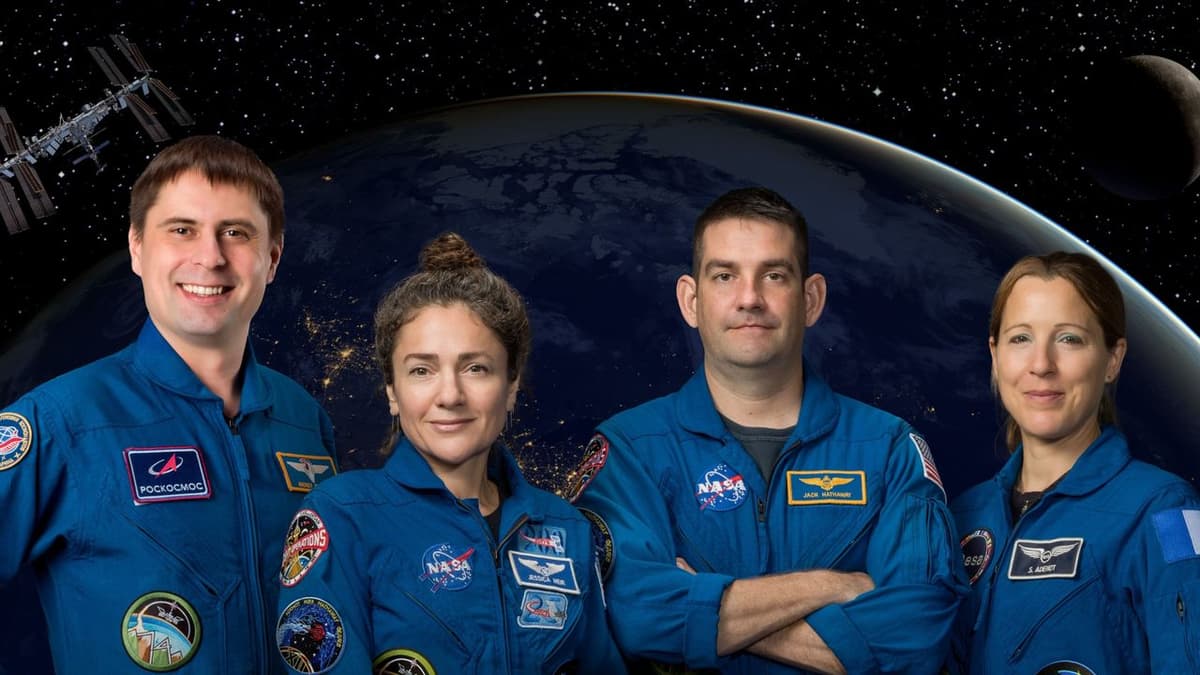
- •Mission includes NASA, ESA, Roscosmos astronauts; Fedyaev replaces Artemyev.
- •Nine‑month stay extends typical six‑month duration.
- •Backup windows set for Feb 12 and Feb 13 if needed.
Pulse Analysis
The International Space Station relies on a steady flow of crew members to maintain its complex research agenda and life‑support systems. When Crew‑11 performed the station’s first medical evacuation in January, the ISS was left with only three astronauts, jeopardizing experiment continuity and increasing workload for the remaining crew. By advancing the Crew‑12 launch to Feb 11, NASA mitigates these risks, quickly returning the station to its optimal six‑person complement and reaffirming its commitment to crew safety and mission resilience.
SpaceX’s ability to ready the Crew Dragon "Grace" and a Falcon 9 booster ahead of schedule highlights the growing maturity of commercial crew services. The accelerated timeline demonstrates that private‑sector partners can provide the flexibility needed for rapid response to unforeseen events, a capability that traditional government‑only programs have struggled to match. This agility not only safeguards the ISS schedule but also sets a precedent for future deep‑space missions where launch windows may be constrained by planetary alignments or emergency contingencies.
Beyond the immediate operational benefits, Crew‑12’s nine‑month tenure signals a shift toward longer, more versatile expeditions. Extending stays from six to nine months maximizes the return on investment for each launch, allowing more experiments and technology demonstrations per flight. The international makeup—NASA, ESA, and Roscosmos—reinforces the collaborative nature of the ISS program and distributes expertise across agencies. As NASA prepares for Artemis and commercial lunar landers, the lessons learned from flexible crew rotations and extended missions will inform how humanity manages habitats beyond low Earth orbit.
NASA and SpaceX move up launch of Crew-12 astronauts to Feb. 11 as relief crew after ISS medical evacuation
0
Comments
Want to join the conversation?
Loading comments...