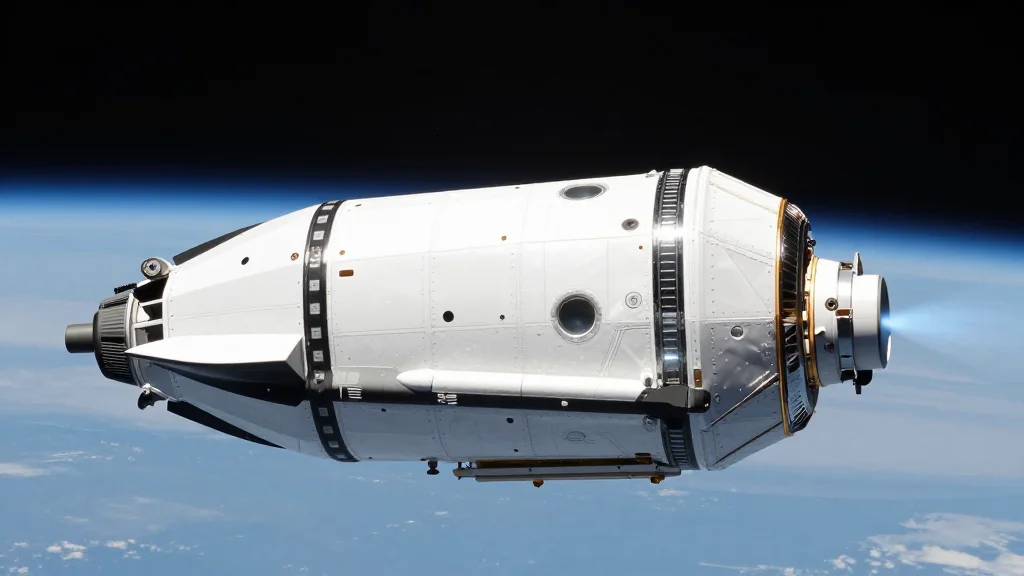
NASA Astronauts Ordered to Shelter in Dragon While Russians Repair Air Leak
Why It Matters
The episode highlights how safety protocols and public communication on the ISS can affect U.S.–Russia cooperation and shape perceptions of orbital risk management.
Key Takeaways
- •Leak loss ~1 lb of air per day, low compared to past rates
- •NASA ordered five crew members to shelter in SpaceX Dragon capsule
- •Order canceled after Russians performed only measurements, not repairs
- •Incident highlights tension and media amplification of ISS safety actions
Pulse Analysis
The Zvezda service module on the International Space Station has been a chronic source of air‑leak concerns. Since May, engineers have logged a loss of roughly one pound of oxygen per day—a rate far below the 2019‑2024 spikes that forced periodic hatch closures. The latest leak was identified in early June, prompting the Russian segment to schedule a repair campaign. Historically, NASA’s standard response has been to isolate the American and Russian sections by sealing the hatch, a practice that has kept cabin pressure stable during previous incidents.
On June 5, NASA issued an unprecedented directive for all five U.S. astronauts aboard the ISS to take refuge inside the docked SpaceX Dragon capsule while Russian cosmonauts began work on the Zvezda breach. The precaution, described as an “elevated safety posture,” was quickly rescinded when the Russian crew reported only conducting measurements, not actual repairs. Critics argue the move was disproportionate, suggesting that agency head Jared Isaacman may have sought heightened visibility. Mainstream outlets amplified the story, some portraying it as an imminent evacuation, which the agency later clarified.
The episode underscores the delicate balance of operational safety and international diplomacy on a shared orbital platform. While erring on the side of caution is prudent, overly dramatic actions can strain U.S.–Russia collaboration and fuel public misunderstanding. For future commercial stations, the incident serves as a case study in transparent risk communication and the need for joint contingency protocols that avoid unnecessary alarm. As the ISS approaches its retirement, lessons from Zvezda’s recurring leaks will inform design standards for airtight habitats in next‑generation spaceflight.
NASA astronauts ordered to shelter in Dragon while Russians repair air leak
Comments
Want to join the conversation?
Loading comments...