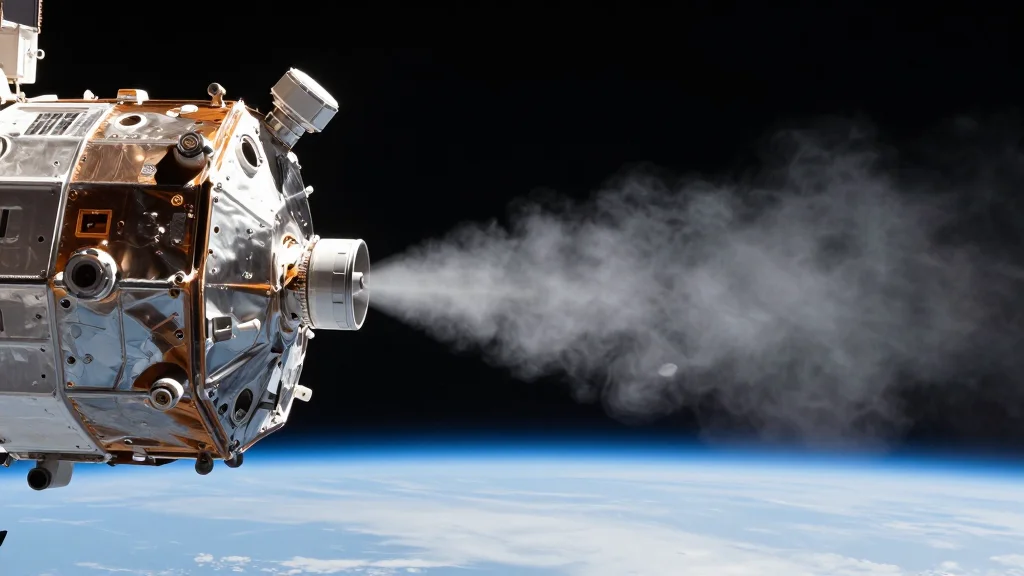
NASA Clarifies Air Leak Situation Yesterday on ISS
Why It Matters
A growing leak threatens station pressurization and could limit future dockings, impacting crew safety and operational schedules.
Key Takeaways
- •Leak rate doubled to two pounds daily on Zvezda module
- •NASA ordered crew to safe haven inside Dragon capsule
- •Roscosmos paused risky bracket‑cutting repair after NASA objection
- •Leak may be linked to recent Progress 95 docking event
Pulse Analysis
The International Space Station has faced intermittent air‑leak incidents since its inception, but the Zvezda service module—a legacy component of the Russian segment—has been a recurring source of concern. Historically, leak rates have hovered around one pound per day, a level manageable with routine re‑pressurization. The recent spike to two pounds per day, documented in the September 2024 Inspector General report, signals a degradation that could strain the station’s environmental control systems and increase reliance on backup supplies.
During the first week of June, Progress 95 docked with Zvezda, after which Roscosmos detected the heightened leak and proposed a structural repair involving bracket removal. NASA, exercising its safety oversight, ordered the four Crew‑12 members and Soyuz‑flown astronaut Chris Williams into the SpaceX Dragon capsule, a designated safe‑haven protocol for elevated risk scenarios. Roscosmos subsequently paused the invasive work, opting for additional measurements and sealant inspections, a decision NASA publicly endorsed. This coordination underscores the delicate balance of international partnership and the priority given to crew safety when addressing hardware vulnerabilities.
Looking ahead, the incident raises strategic questions about the ISS’s aging infrastructure. With the station slated for de‑orbit planning in the late 2030s, each leak event accelerates the urgency for either comprehensive refurbishment of the Russian modules or accelerated transition to commercial low‑Earth‑orbit platforms. Stakeholders must weigh the cost of on‑orbit repairs against the operational risk of continued leaks, especially as future cargo and crew vehicles will still rely on Zvezda’s docking ports. Proactive mitigation—such as advanced sealant technologies or modular replacement—could preserve station functionality while safeguarding the crew’s environment.
NASA clarifies air leak situation yesterday on ISS
Comments
Want to join the conversation?
Loading comments...