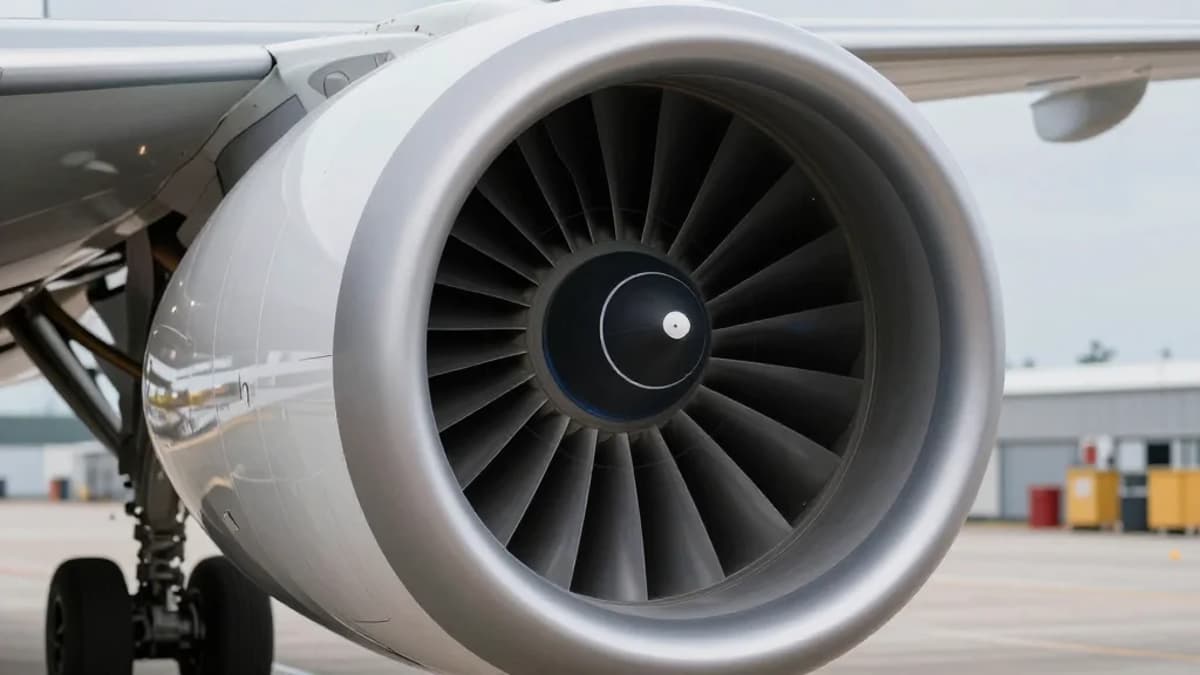
NASA, GE Aerospace Hybrid Engine System Marks Successful Test
•January 27, 2026
0
Companies Mentioned

NASA
Why It Matters
Hybrid propulsion promises significant fuel savings and emissions cuts, accelerating aviation’s transition to greener operations.
Key Takeaways
- •First integrated hybrid‑electric jet engine test.
- •Modified GE Passport extracts and re‑injects power.
- •Targets up to 10% fuel burn reduction.
- •Demonstrated at GE’s Peebles Ohio test site.
- •Data moves hybrid propulsion toward commercial certification.
Pulse Analysis
The aerospace sector has been chasing hybrid‑electric propulsion for years, but most efforts remained at component‑level validation. NASA’s Hybrid Thermally Efficient Core (HyTEC) program, launched two decades ago, laid the groundwork by testing power‑system controls, electric motors, and thermal management subsystems. Partnering with GE Aerospace, the program leveraged the company’s Passport core, a proven turbofan platform, to create a testbed where electrical and mechanical power streams could be coordinated in real time. This integrated approach marks a departure from isolated bench tests, offering the first glimpse of a full‑scale hybrid engine operating under realistic conditions.
During the December demonstration, engineers equipped the Passport engine with a power‑extraction system that captures excess turbine energy and redirects it to electric motor generators. Those generators then supply supplemental thrust or power auxiliary systems, effectively reducing the amount of jet fuel required for a given mission profile. Early data suggest the configuration can achieve the program’s target of a 10% reduction in fuel consumption, a figure that translates into lower operating costs and a measurable drop in CO₂ emissions for airlines operating single‑aisle fleets. The test also proved the reliability of novel hardware integrations, such as high‑power inverters and thermal‑controlled power electronics, which have historically been barriers to certification.
The successful test positions hybrid propulsion as a viable near‑term option for commercial aviation, complementing longer‑term hydrogen and electric concepts. Airlines seeking to meet tightening regulatory mandates and corporate sustainability goals may adopt hybrid retrofits or new aircraft designs within the next decade. Continued data analysis and a planned compact‑engine flight test will be critical for FAA certification pathways. If the technology scales as projected, the industry could see a new class of fuel‑efficient aircraft that bridges the gap between conventional turbofans and fully electric platforms, reshaping fleet renewal strategies worldwide.
NASA, GE aerospace hybrid engine system marks successful test
0
Comments
Want to join the conversation?
Loading comments...