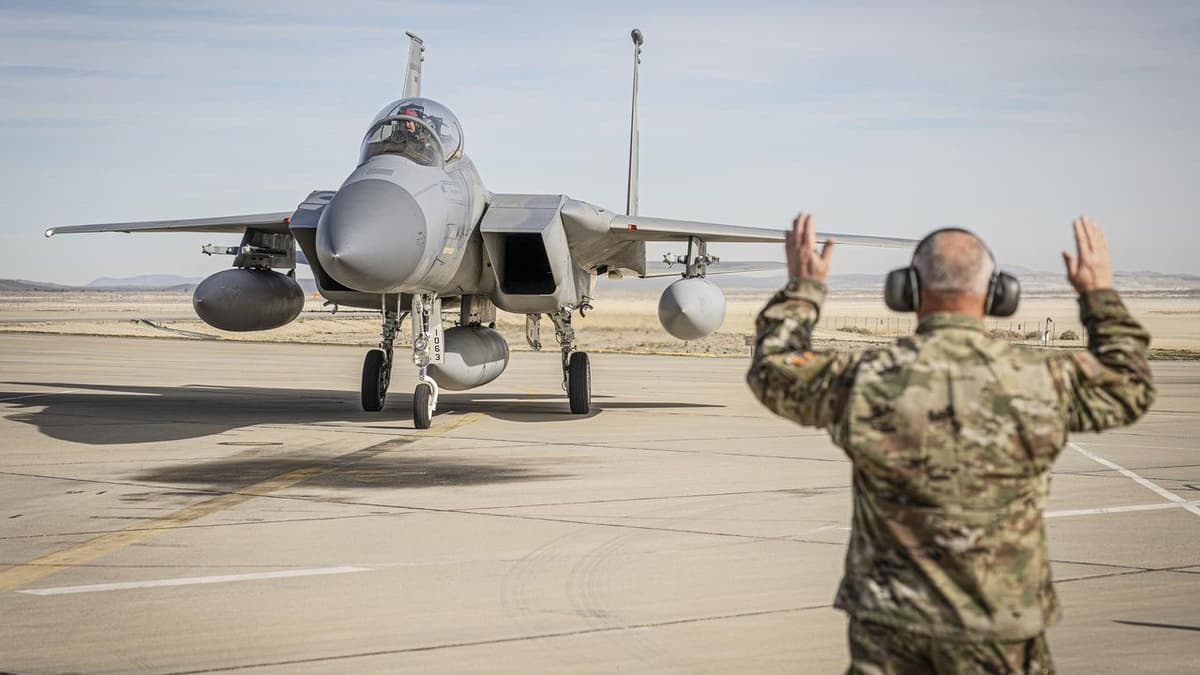
NASA Gets New F-15 Fighter Jet to Chase Its X-59 'Quiet' Supersonic Aircraft
•January 27, 2026
0
Companies Mentioned


Why It Matters
The addition of dedicated chase aircraft accelerates data collection for the X‑59, a critical step toward regulatory approval of low‑boom commercial supersonic flights. Successful validation could reshape long‑haul air travel and open new high‑speed market segments.
Key Takeaways
- •NASA receives two retired F‑15s for X‑59 testing
- •F‑15s will chase X‑59 up to 60,000 ft altitude
- •Sensors will capture shockwave data for low‑boom validation
- •One F‑15 retrofitted; other provides spare parts
- •Quiet supersonic could cut coast‑to‑coast travel times dramatically
Pulse Analysis
The Low Boom Flight Demonstrator program represents NASA’s most ambitious effort to rewrite the rules of supersonic aviation. By outfitting the X‑59 with a specially shaped nose and engine exhaust, engineers aim to reduce the perceived loudness of a sonic boom to below the threshold of human annoyance. This "quiet" supersonic concept is essential for meeting the Federal Aviation Administration’s noise regulations, which have long barred commercial supersonic services over land. If NASA can demonstrate consistent low‑boom performance, it will provide the empirical foundation needed for policymakers to reconsider existing bans.
Chase aircraft are a linchpin of any flight‑test campaign, and NASA’s choice of the F‑15 underscores the need for speed, altitude, and payload capacity. The refurbished jet can operate at 60,000 feet—higher than typical commercial airliners—allowing it to stay within visual range of the X‑59 while carrying high‑precision pressure sensors and Schlieren imaging systems. Historically, F‑15s have supported a range of high‑speed research, from hypersonic wind‑tunnel validation to atmospheric studies, making them a proven platform for gathering the nuanced data required to certify low‑boom technology.
Commercial implications are profound. A validated quiet‑supersonic aircraft could halve coast‑to‑coast flight times, reshaping business travel, emergency logistics, and premium passenger services. Airlines would gain a competitive edge by offering sub‑four‑hour trips across the United States, while manufacturers could tap a new market segment previously stifled by noise concerns. Moreover, the data collected by NASA’s F‑15 chase planes will inform next‑generation designs, potentially accelerating private sector investment and fostering a new era of high‑speed, low‑impact aviation. The successful integration of these F‑15s into the X‑59 program is therefore a pivotal milestone for the future of supersonic travel.
NASA gets new F-15 fighter jet to chase its X-59 'quiet' supersonic aircraft
0
Comments
Want to join the conversation?
Loading comments...