NASA Heat Shield Technology Enables Space Industry Growth
•January 30, 2026
0
Companies Mentioned


Why It Matters
The event proves NASA’s technology transfer model can cut launch costs and accelerate in‑space manufacturing, boosting the U.S. space economy and enabling new markets such as microgravity pharmaceuticals.
Key Takeaways
- •Varda used NASA‑licensed C‑PICA for W‑5 capsule return
- •First all‑Varda manufactured C‑PICA shield re‑enters Earth
- •Heat shield lowers cost, improves thermal protection efficiency
- •Enables safe return of pharmaceuticals and microgravity experiments
- •NASA’s licensing accelerates broader commercial heat‑shield adoption
Pulse Analysis
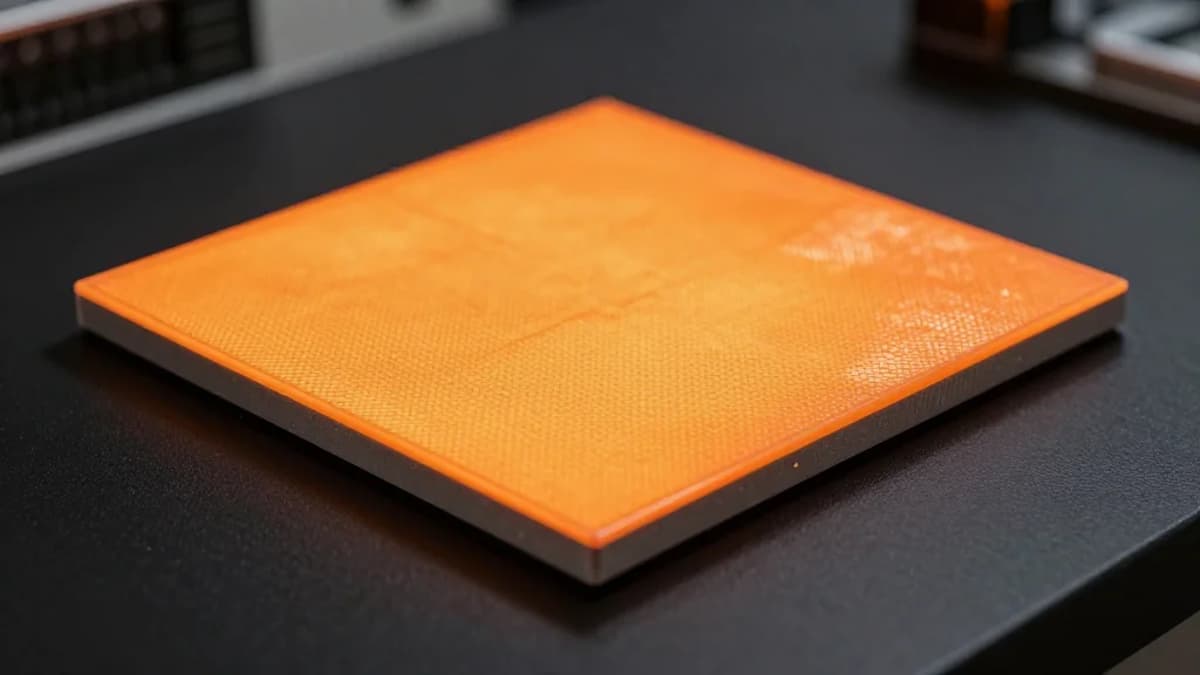
NASA’s C‑PICA (Conformal Phenolic Impregnated Carbon Ablator) represents a leap in thermal protection technology, offering higher heat‑flux tolerance while reducing mass and cost compared with legacy ablators. Developed at Ames Research Center, the material’s phenolic‑carbon matrix provides a self‑healing surface that chars predictably, safeguarding capsules during the intense re‑entry phase. By licensing C‑PICA to commercial partners, NASA extends its research legacy into the private sector, creating a revenue stream that funds further innovation while expanding the pool of available entry‑system materials.
Varda Space Industries leveraged this technology to outfit its W‑5 capsule, the latest in a series designed for low‑Earth‑orbit payloads. The capsule’s successful return from a November 2025 launch demonstrates that in‑house production of C‑PICA can meet rigorous flight‑certification standards, delivering a reliable, cost‑effective shield for high‑value cargo. This capability is especially critical for microgravity‑based pharmaceutical manufacturing, where delicate compounds require gentle, controlled re‑entry conditions. The flight validates Varda’s business model of offering end‑to‑end in‑space manufacturing services, positioning the company as a key enabler for research institutions and biotech firms seeking to exploit the unique environment of orbit.
The broader implications for the space sector are significant. NASA’s licensing framework lowers entry barriers for emerging launch providers, fostering competition that can drive down prices and spur innovation in heat‑shield design. As more companies adopt C‑PICA, economies of scale are expected to further reduce material costs, making frequent, reusable capsule missions economically viable. This momentum aligns with the industry’s shift toward sustainable, high‑turnover space logistics, supporting a future where scientific experiments, manufacturing, and even consumer goods routinely travel to and from orbit.
NASA Heat Shield Technology Enables Space Industry Growth
0
Comments
Want to join the conversation?
Loading comments...