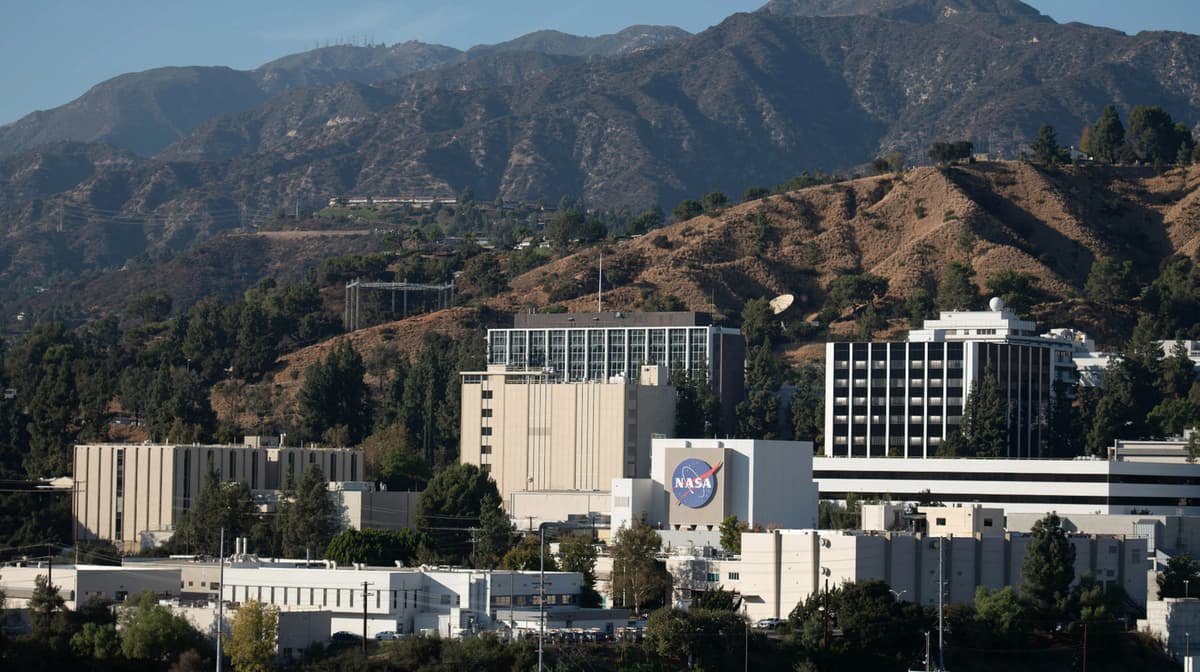
NASA Is Opening up Bids for Who Will Run the Jet Propulsion Laboratory
Companies Mentioned

Why It Matters
A new manager could reshape U.S. space research, affect mission performance, and influence billions of federal dollars, reflecting a broader push for efficiency amid tightening budgets.
Key Takeaways
- •NASA opens first competitive bid for JPL management after 2028
- •$30 billion contract could attract universities, Lockheed Martin, Boeing
- •Decision driven by space economy growth and looming 23% budget cuts
- •Continuity assured; operations remain unaffected during transition
- •Potential shift from nonprofit to corporate management model
Pulse Analysis
The Jet Propulsion Laboratory, founded in 1936 and operated by Caltech for more than nine decades, has been the engine behind iconic NASA missions from Voyager to Mars rovers. By opening the contract to competition, NASA is breaking a long‑standing tradition, signaling that even legacy institutions must prove their value in a rapidly evolving space sector. This move underscores the agency’s intent to align JPL’s stewardship with modern expectations of performance, transparency, and fiscal responsibility.
Budgetary pressure is a key catalyst. The Trump administration’s push for a 23% reduction in NASA’s funding—equating to roughly $1.6 billion of the agency’s $7 trillion share of the federal budget—forces a hard look at cost structures. Simultaneously, the U.S. space economy has surged past $600 billion, creating a competitive market for services and technology. A $30 billion JPL contract therefore becomes a magnet for both academic powerhouses and defense contractors eager to tap into NASA’s pipeline, promising fresh capital, advanced engineering talent, and potentially lower lifecycle costs.
The broader trend of re‑evaluating Federally Funded Research and Development Center (FFRDC) management could reshape how public‑private partnerships operate in high‑tech research. If a corporate entity wins, the governance model may shift from nonprofit stewardship to a profit‑driven framework, influencing everything from intellectual property rights to workforce composition. Conversely, a university consortium could preserve the research‑centric culture while still delivering efficiencies. Either outcome will set a precedent for future FFRDC contracts, affecting industry dynamics, innovation pathways, and the strategic direction of America’s deep‑space ambitions.
NASA is opening up bids for who will run the Jet Propulsion Laboratory
Comments
Want to join the conversation?
Loading comments...