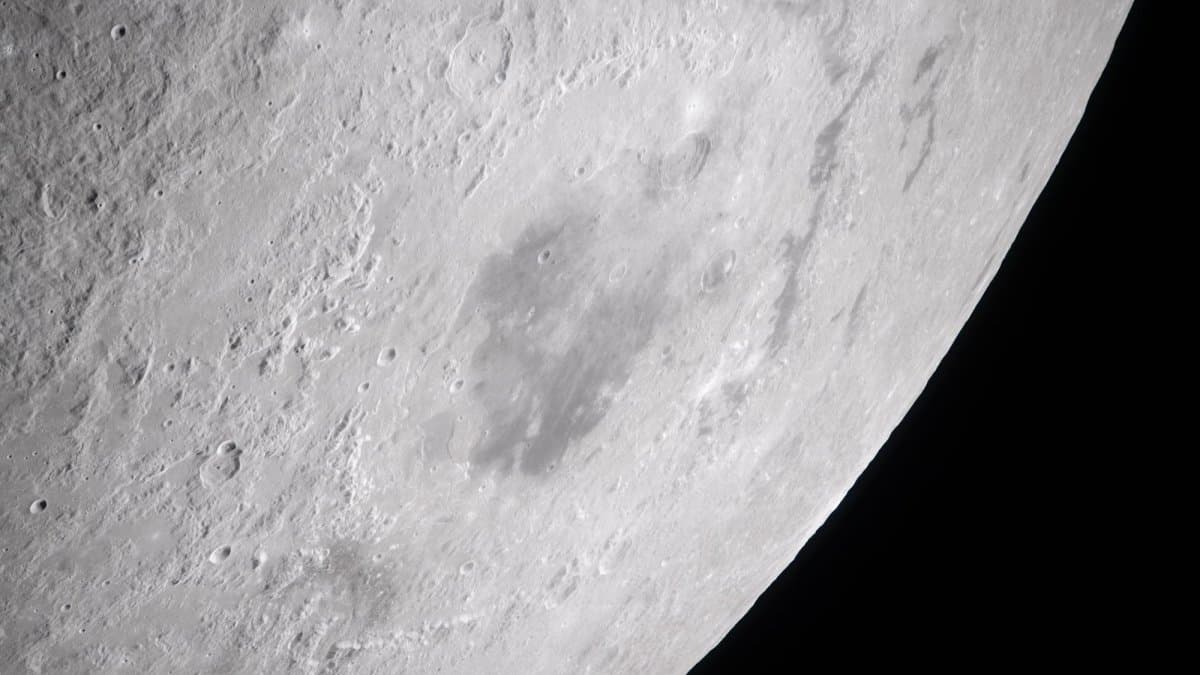
NASA Needs Your Help Spotting Meteors Hitting the Moon
Why It Matters
Accurate impact‑frequency data is essential for designing resilient lunar bases and for interpreting moonquake sources, directly influencing NASA’s Artemis roadmap and commercial lunar development.
Key Takeaways
- •~100 ping‑pong‑size meteoroids hit Moon daily, each like seven pounds dynamite
- •Artemis II crew recorded impact flashes during April 6 lunar flyby
- •Volunteers need ≥4‑inch telescope, auto‑tracking, 25‑30 fps video
- •Submissions feed Lunar Impact Flash database for seismic and habitat research
- •Impact data will help map Moon’s interior via future seismometer missions
Pulse Analysis
Citizen‑science initiatives are becoming a cornerstone of modern space research, and NASA’s Impact Flash project exemplifies this shift. By inviting amateur astronomers with a 4‑inch or larger telescope to monitor the Moon’s dark side, NASA crowdsources a continuous stream of high‑speed video that would be impossible to obtain from a single ground station. The program leverages readily available software to flag potential flashes, then funnels the clips into a centralized database where professional analysts extract impact energy, location, and timing. This distributed observation network dramatically expands the statistical sample of meteoroid strikes, sharpening models of lunar surface erosion and hazard frequency.
The recent Artemis II mission added a new layer of credibility to the effort. During its historic lunar flyby on April 6, the crew captured several impact flashes, providing calibrated reference data that validates the citizen‑collected observations. Researchers can now compare spacecraft‑borne measurements with ground‑based recordings, refining algorithms that convert flash brightness into impact mass and velocity. This synergy not only improves the accuracy of impact‑rate estimates but also offers a real‑time testbed for future missions that may rely on autonomous flash detection to assess surface safety before landing.
Beyond academic curiosity, the implications for lunar infrastructure are profound. Frequent meteoroid impacts, especially those equivalent to a kiloton of TNT every few years, pose a tangible threat to habitats, power systems, and scientific installations. By correlating flash data with forthcoming seismometer readings, scientists aim to pinpoint the origins of moonquakes and map subsurface structures, informing the engineering of shielding and site selection. For commercial partners eyeing mining, tourism, or long‑duration research outposts, this granular risk assessment is a prerequisite for investment decisions and insurance underwriting, making the Impact Flash program a strategic asset for the emerging lunar economy.
NASA needs your help spotting meteors hitting the moon
Comments
Want to join the conversation?
Loading comments...