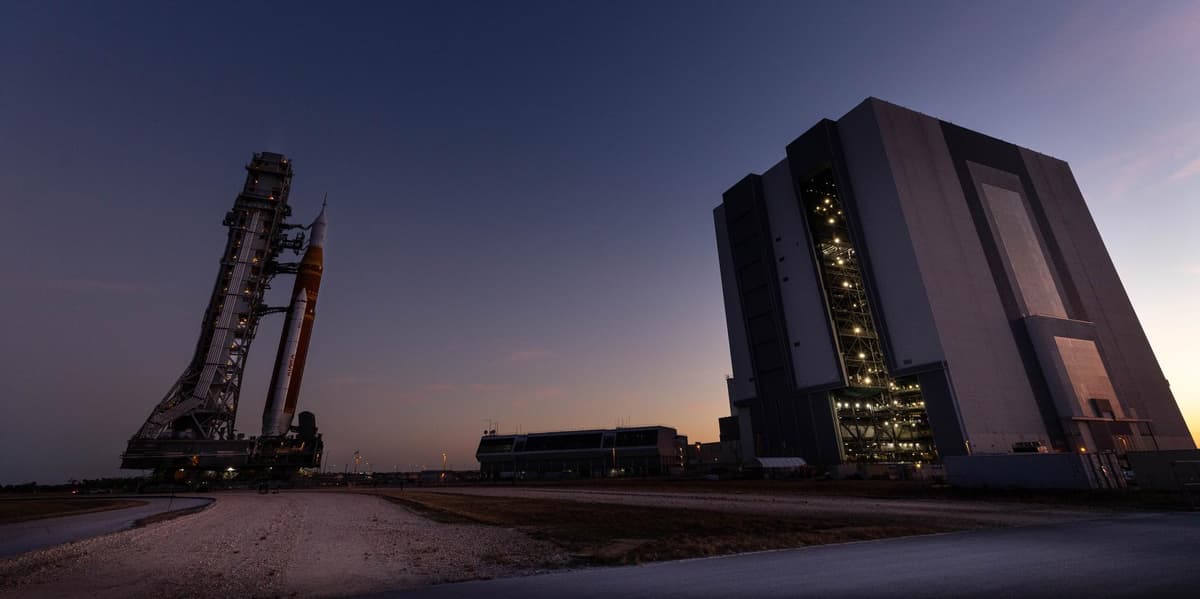
NASA on ‘Aggressive’ Schedule to Complete SLS Repairs for April Launch
•February 28, 2026
0
Why It Matters
The tight timeline directly affects Artemis 2’s ability to stay on schedule, influencing NASA’s broader lunar‑return objectives and stakeholder confidence.
Key Takeaways
- •NASA has three weeks to fix SLS upper stage.
- •Helium flow issue traced to quick‑disconnect seal or check valve.
- •Repairs include battery replacement and liquid oxygen seal swap.
- •Early April launch window April 1‑6 is at risk.
- •Delays could push Artemis 2 launch to end‑April.
Pulse Analysis
The Artemis program hinges on the Space Launch System, NASA’s most powerful rocket, to ferry astronauts back to the Moon. As the agency pushes toward an early‑April launch for Artemis 2, the SLS must clear a series of technical hurdles that have already delayed its predecessor, Artemis 1. The current focus is on the Interim Cryogenic Propulsion Stage, where a disrupted helium flow threatened the vehicle’s propulsion sequencing. By rolling the stack back to the Vehicle Assembly Building, NASA gained the necessary access to inspect and replace critical components, a move that underscores the program’s commitment to safety over schedule.
Technical root‑cause analysis points to a faulty quick‑disconnect seal or a lingering check‑valve defect—issues that also plagued Artemis 1. NASA’s response includes swapping out the suspect seal, overhauling the liquid‑oxygen umbilical, and retesting the flight‑termination system’s batteries. Beyond hardware fixes, the agency is revising operational procedures to prevent repeat failures, a step that could streamline future rollbacks and reduce downtime. These corrective actions are being executed under an aggressive timeline, with at least ten days of pad work required before the vehicle can be re‑erected for launch.
The broader implications extend to the commercial launch market and international partners watching NASA’s cadence. A successful early‑April launch would reaffirm confidence in the SLS architecture and keep the lunar‑gateway timeline intact, while a slip to the end‑April window could compress subsequent mission schedules and increase costs. Moreover, the lessons learned from this repair cycle may inform design improvements for next‑generation heavy‑lift rockets, influencing both government and private sector launch strategies in the coming decade.
NASA on ‘aggressive’ schedule to complete SLS repairs for April launch
0
Comments
Want to join the conversation?
Loading comments...