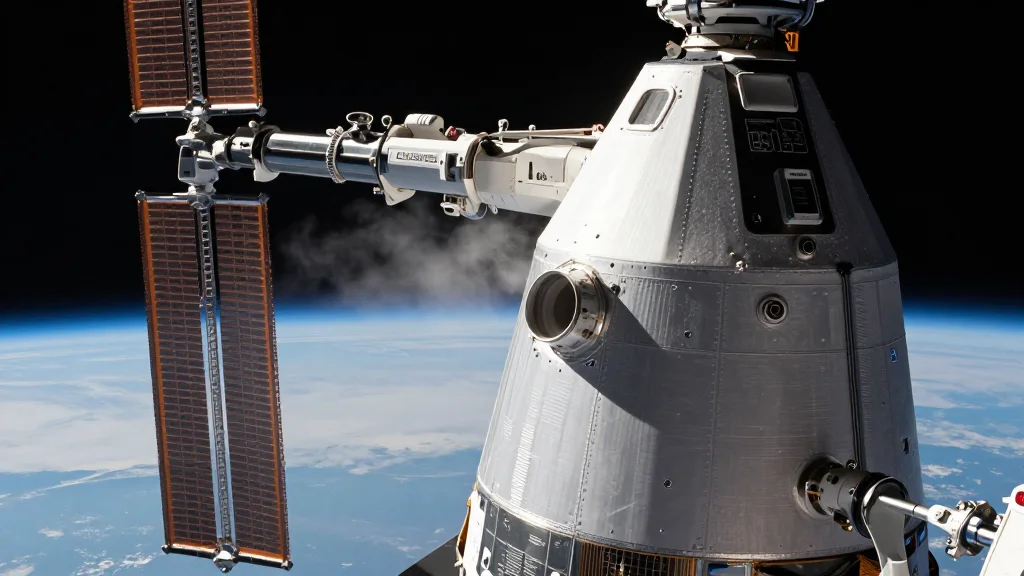
NASA Orders ISS Crew Into Dragon Capsule Amid Russian Segment Leak, Reverses After Two Hours



Why It Matters
The air‑leak episode underscores the aging infrastructure of the International Space Station and the operational risks that come with a multinational partnership. A sustained breach, even at a modest rate, could force unscheduled EVA activities, consume valuable crew time, and strain the station’s life‑support margins, especially as the ISS approaches the end of its original design life. Beyond immediate safety, the incident feeds into broader policy discussions about extending the ISS’s service life. Lawmakers are weighing a two‑year extension to 2032, which would give commercial developers more time to field a replacement orbital platform. Demonstrating the ability to manage and mitigate structural failures is a key factor in those deliberations, as it directly impacts confidence in the station’s continued viability.
Key Takeaways
- •NASA ordered five ISS crew members into the docked SpaceX Crew‑Dragon capsule on June 5 due to a Zvezda air leak.
- •Leak rate doubled from ~1 lb/day to ~2 lb/day, prompting a precautionary safe‑haven procedure.
- •The shelter order lasted roughly two hours before being rescinded after Roscosmos paused repairs.
- •NASA spokesperson Bethany Stevens and former astronaut Leroy Chiao publicly emphasized the precautionary nature of the action.
- •The event reignites debate in U.S. Congress over extending the ISS’s operational life to 2032.
Pulse Analysis
The June 5 incident is a reminder that the International Space Station, now in its third decade, remains a complex, aging system that requires constant vigilance. While the air‑leak rate was modest, the decision to move crew into a lifeboat capsule reflects a risk‑averse posture that prioritizes crew safety over mission continuity. This approach is prudent, but it also reveals a structural vulnerability: the Zvezda module, a legacy Russian component, has been a chronic source of micro‑leaks since 2019. The fact that a repair attempt involving a saw was contested by NASA indicates differing engineering philosophies and risk assessments between the partners.
From a market perspective, the episode could accelerate investment in next‑generation orbital habitats. Commercial operators such as Axiom Space and Blue Origin have already signaled intent to launch private stations, and a high‑profile safety scare on the ISS may sharpen the narrative that a newer, modular platform with unified governance is needed. Moreover, the incident may influence the upcoming congressional vote on extending the ISS’s life. Lawmakers will weigh the cost of continued operations against the risk of a repeat incident that could jeopardize crew safety and international credibility.
Looking ahead, both agencies are likely to tighten leak‑monitoring protocols and perhaps invest in more robust sealing technologies. The episode also serves as a case study for future deep‑space habitats, where air loss could have far more dire consequences. The collaborative response—quickly sheltering crew, pausing repairs, and resuming normal operations—demonstrates that, despite geopolitical tensions, the partnership can still function effectively under pressure. However, the underlying engineering challenge remains, and solving it will be essential for the ISS’s continued relevance or for a seamless transition to its commercial successors.
NASA Orders ISS Crew into Dragon Capsule Amid Russian Segment Leak, Reverses After Two Hours
Comments
Want to join the conversation?
Loading comments...