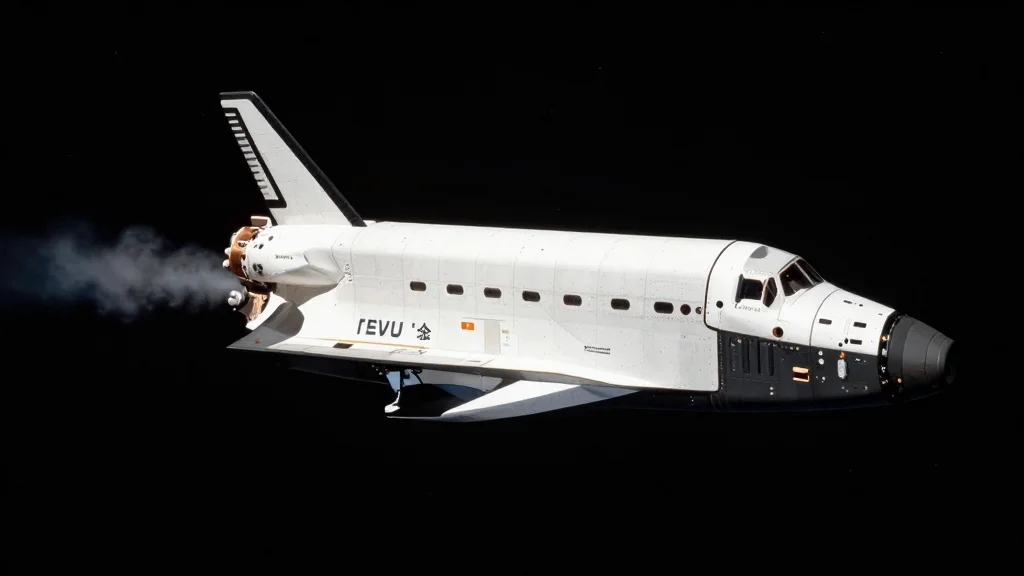
NASA Orders ISS Crew to Shelter as Zvezda Air Leak Doubles, Reverses After Two Hours

Companies Mentioned

Why It Matters
The air‑leak scare highlights the vulnerability of the International Space Station’s aging Russian segment, a critical component of the world’s only continuously inhabited orbital laboratory. Persistent structural issues threaten not only crew safety but also the commercial ecosystem that depends on the ISS for research, manufacturing, and tourism. A failure to resolve the leak could accelerate discussions about de‑orbiting the station or replacing it with private‑sector habitats, reshaping the economics of low‑Earth‑orbit activities. Furthermore, the incident underscores the strategic importance of commercial crew vehicles like SpaceX’s Crew Dragon. Their ability to serve as immediate lifeboats reinforces the shift toward a mixed‑government, mixed‑commercial model for human spaceflight, influencing future funding, partnership agreements, and the design of next‑generation orbital platforms.
Key Takeaways
- •NASA ordered five ISS crew members to shelter in Crew Dragon after Zvezda leak doubled to two pounds of air per day.
- •Safe‑haven procedure lasted about two hours before being rescinded when Roscosmos paused its repair attempt.
- •NASA and Roscosmos disagreed on using a saw to access the leak, exposing technical tension between the agencies.
- •Crew members involved: Jessica Meir, Jack Hathaway, Sophie Adenot, Andrey Fedyaev, and Chris Williams.
- •Incident emphasizes reliance on commercial crew vehicles for ISS emergency response and may affect future station longevity plans.
Pulse Analysis
The Zvezda leak episode is a microcosm of the broader challenges facing the ISS as it ages beyond its original design life. While the station has survived numerous emergencies, each incident erodes confidence in the Russian segment’s structural integrity, a concern that has been simmering since the first cracks were identified in 2019. The fact that NASA felt compelled to issue a safe‑haven order—something that has only been done a handful of times—signals a low tolerance for risk, especially as the agency balances the ISS’s scientific output against the looming Artemis and lunar gateway commitments.
Commercial crew providers have now become indispensable to NASA’s risk mitigation strategy. SpaceX’s Crew Dragon not only ferried astronauts to the station but also acted as a rapid‑escape vehicle, a role that would have been impossible with the aging Soyuz fleet alone. This operational dependency strengthens SpaceX’s bargaining position in future NASA contracts, potentially accelerating the shift toward a more privatized low‑Earth‑orbit economy. At the same time, Roscosmos’s insistence on a hands‑on repair approach—using a saw to cut into the module—reflects both a desire to retain technical control and perhaps a limited access to alternative repair technologies.
Looking ahead, the incident may catalyze a more aggressive timeline for transitioning to commercial habitats. Investors and governments are watching how quickly NASA can resolve the leak without compromising crew safety; delays could prompt a re‑evaluation of the ISS’s role as a platform for commercial research. In the short term, the joint NASA‑Roscosmos review scheduled for later this month will be critical. Its outcomes could dictate whether the station receives a final, costly refurbishment or whether resources shift toward next‑generation stations that promise longer lifespans and more modular designs. Either way, the episode reinforces that the ISS’s future hinges on effective collaboration, technical ingenuity, and the growing influence of commercial space partners.
NASA Orders ISS Crew to Shelter as Zvezda Air Leak Doubles, Reverses After Two Hours
Comments
Want to join the conversation?
Loading comments...