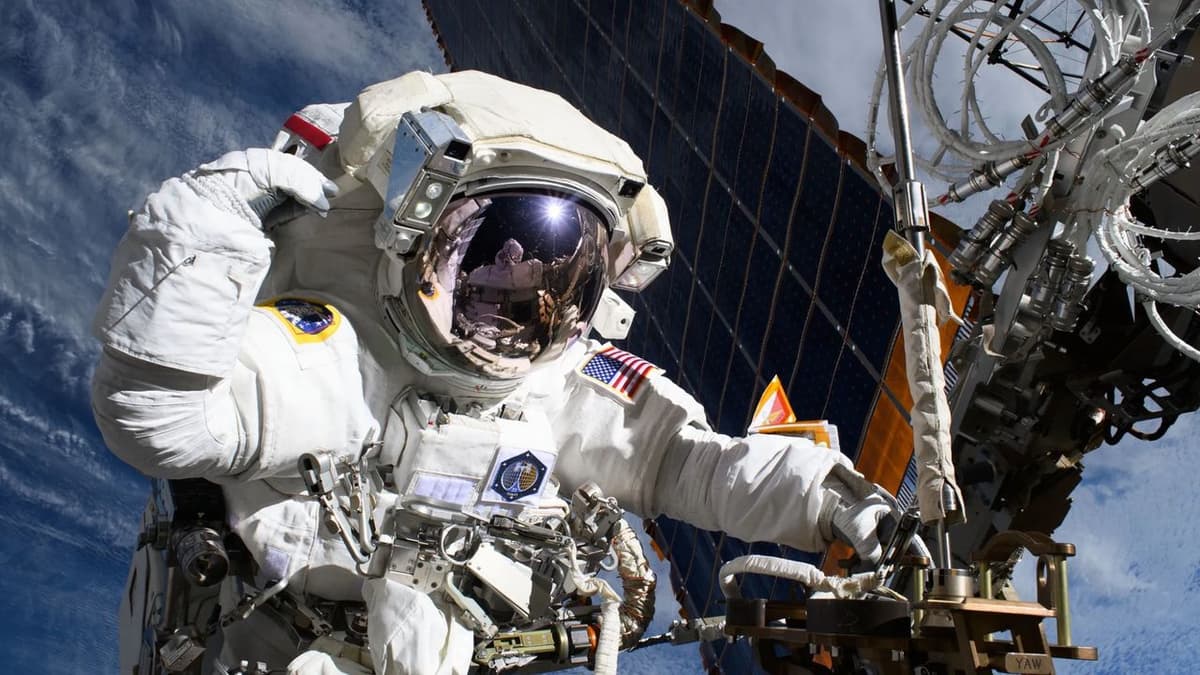
NASA Postpones Jan. 8 Spacewalk Due to 'Medical Concern' With an Astronaut
•January 7, 2026
0
Companies Mentioned

NASA
Why It Matters
The delay pushes back critical power‑upgrade work for the ISS and underscores NASA's stringent crew‑health safeguards, affecting mission timelines and future deorbit planning.
Key Takeaways
- •EVA postponed due to astronaut medical concern
- •Fincke's 10th EVA would tie NASA record
- •Cardman's first spacewalk delayed
- •iROSA installation preparation postponed
- •Additional EVA planned for Jan 15
Pulse Analysis
NASA’s decision to halt the Jan. 8 spacewalk highlights the agency’s rigorous health monitoring protocols for astronauts aboard the International Space Station. While the specific medical issue remains confidential, NASA’s swift response reflects a broader industry trend toward prioritizing crew safety over tight operational windows. This approach not only protects individual astronauts but also maintains the integrity of the station’s complex schedule, where each extravehicular activity (EVA) is meticulously choreographed to avoid cascading delays.
The postponed EVA was intended to ready a power channel for the International Space Station Roll‑Out Solar Array (iROSA), a key upgrade that will boost the station’s electrical capacity and support its eventual controlled deorbit. Delaying this work could compress the timeline for subsequent installations, potentially affecting power availability for scientific experiments and life‑support systems. However, NASA’s contingency planning includes a backup EVA on Jan. 15, ensuring that critical hardware—such as high‑definition cameras and navigation aids—will still be serviced without compromising the broader power‑upgrade roadmap.
Beyond the immediate operational impact, the incident underscores the delicate balance between human health and mission objectives in low‑Earth orbit. NASA’s transparent communication, even while respecting medical privacy, reinforces confidence among stakeholders and the public. As commercial partners increase their presence on the ISS and future lunar gateways, the precedent set by this postponement will inform how agencies manage health‑related disruptions, ensuring that safety remains the cornerstone of human spaceflight advancement.
NASA postpones Jan. 8 spacewalk due to 'medical concern' with an astronaut
0
Comments
Want to join the conversation?
Loading comments...