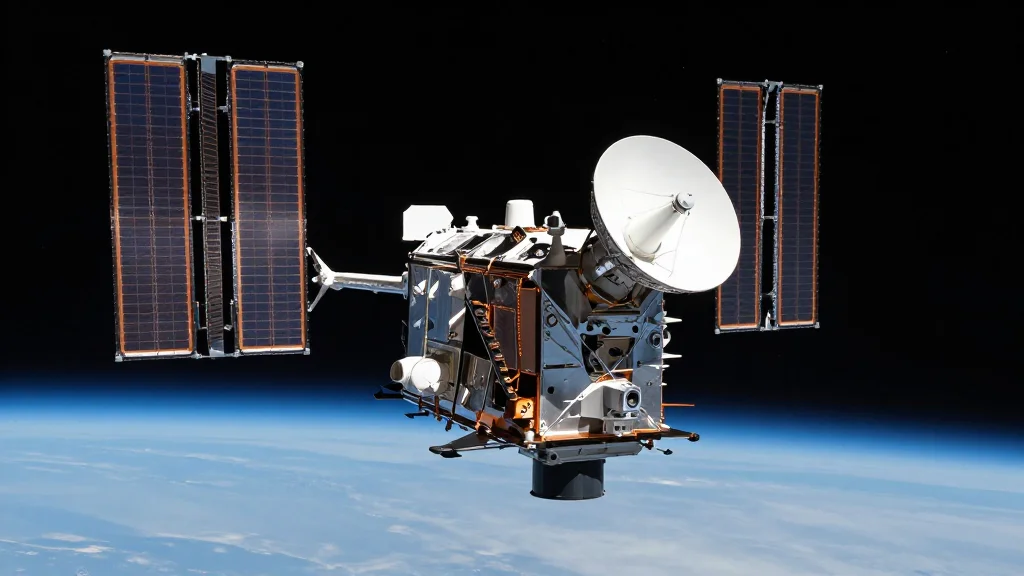
NASA Pushes FALCON Satellite Constellation Launch to 2029, Seeks Commercial Partners

Why It Matters
The FALCON constellation is poised to fill critical gaps in climate‑science data, particularly around cloud‑aerosol feedbacks that dominate uncertainty in climate models. By extending the launch timeline and courting commercial partners, NASA aims to deliver more affordable, higher‑frequency observations that can improve weather forecasting, climate projections, and hazard assessments for future lunar and Martian missions. The international component of the Precipitation Measurement Mission also reinforces the collaborative model that underpins large‑scale Earth observation programs. Joint data sharing with JAXA and CNES will broaden the geographic coverage and scientific utility of the measurements, strengthening global climate‑monitoring networks at a time when policy decisions increasingly rely on near‑real‑time data.
Key Takeaways
- •NASA pushes FALCON constellation launch to later in 2029 due to cost overruns in the original AOS plan.
- •RFI issued for low‑cost commercial microwave radiometer concepts to fly in formation with FALCON.
- •Fleet includes two NASA‑built satellites (lidar from Goddard/Langley, radiometer from JPL) and a joint Precipitation Measurement Mission with JAXA and CNES.
- •Dr. Nicky Fox emphasizes the constellation’s role in improving cloud‑aerosol science and informing lunar/Mars mission site selection.
- •Industry expects at least three commercial proposals by early 2025, with potential $150 million in development funding.
Pulse Analysis
NASA’s decision to delay FALCON reflects a pragmatic response to the fiscal realities of large‑scale Earth‑science missions. The original Atmospheric Observing System was plagued by escalating costs, a pattern seen in other NASA programs where scope creep and technology maturation outpace budgets. By re‑engineering the mission as FALCON and opening the architecture to commercial microwave radiometers, NASA is leveraging the rapid cost reductions achieved in the small‑sat market. This approach mirrors the agency’s recent success with the Commercial Lunar Payload Services (CLPS) program, where private firms deliver payloads at a fraction of traditional costs.
The strategic timing also aligns with the agency’s broader lunar agenda. Data from FALCON will improve atmospheric models that are essential for predicting dust storms, thermal gradients, and radiation environments on the Moon and Mars—key variables for crewed exploration. By integrating Earth‑science insights into lunar site‑selection, NASA is creating a feedback loop that could accelerate the Artemis program’s timeline while reducing risk.
From a market perspective, the RFI is a clear invitation for emerging SpaceTech firms to compete for a high‑profile NASA contract. Companies that can demonstrate low‑cost, high‑performance microwave radiometers stand to secure not only the immediate award but also future work under the Earth Venture portfolio. This could catalyze a wave of innovation in sensor miniaturization and data processing, ultimately delivering richer climate data to both scientific and commercial users. The inclusion of JAXA and CNES further signals that multinational partnerships remain a cornerstone of large‑scale climate observation, ensuring that the data collected will be globally accessible and interoperable.
NASA pushes FALCON satellite constellation launch to 2029, seeks commercial partners
Comments
Want to join the conversation?
Loading comments...