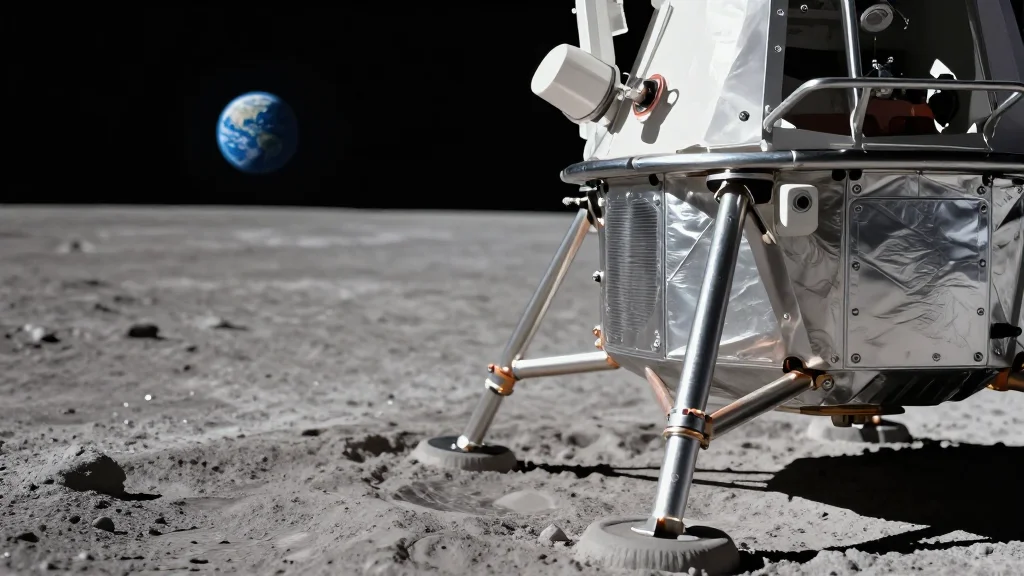
NASA Reopens Artemis Moon Lander Contract as Starship Delays Prompt Competition

Companies Mentioned


Why It Matters
Reopening the Artemis human‑landing system contract reshapes the competitive dynamics of the U.S. lunar market. By allowing multiple firms to vie for the $4.4 billion Starship contract and the parallel $3 billion Blue Moon award, NASA is diversifying risk and fostering innovation, which could accelerate technology readiness for the Moon and beyond. The decision also reflects geopolitical urgency; a faster, more reliable lunar capability strengthens U.S. leadership as China advances its own crewed lunar program. For investors and policymakers, the move signals a broader shift toward a multi‑vendor strategy in government space procurement. Companies that can quickly adapt to NASA’s accelerated timelines may capture significant revenue streams, while those lagging could see their market share erode. The outcome will influence the architecture of future missions to Mars, lunar habitats, and commercial lunar services.
Key Takeaways
- •NASA’s acting administrator Sean Duffy announced the Artemis 3 lander contract will be reopened to competition.
- •SpaceX’s Starship contract is valued at $4.4 billion and faces a 2027 moon‑landing deadline with delayed milestones.
- •Blue Origin’s Blue Moon lander program is backed by an approximate $3 billion NASA contract for later Artemis missions.
- •Lockheed Martin signaled intent to form an industry team to respond to NASA’s request for accelerated plans.
- •Proposals from all commercial space firms are due by Oct. 29, with a decision expected in early 2025.
Pulse Analysis
NASA’s decision to reopen the Artemis 3 lander contract marks a strategic pivot from a single‑vendor model to a competitive, multi‑vendor ecosystem. Historically, NASA’s reliance on one contractor—first Boeing for the Orion capsule, then SpaceX for the lunar lander—has streamlined integration but also concentrated risk. The current delay in Starship’s lunar‑specific development exposes that vulnerability, prompting the agency to hedge against schedule slips that could jeopardize the 2027 landing window.
From a market perspective, the reopening injects fresh capital opportunities into the lunar‑lander supply chain. Blue Origin, long‑standing challenger to SpaceX, now has a realistic shot at securing a high‑visibility Artemis mission, potentially revitalizing its $3 billion Blue Moon program and attracting downstream commercial customers for lunar surface services. Lockheed Martin’s willingness to convene a cross‑industry team suggests a hybrid approach, blending legacy aerospace capabilities with agile commercial innovation. This could lead to a consortium model, similar to the International Space Station’s multinational partnership, but focused on lunar surface operations.
Looking ahead, the competitive environment may accelerate technology maturation across the sector. Firms will be incentivized to meet NASA’s accelerated milestones, likely spurring advances in propulsion, autonomous landing, and in‑situ resource utilization. However, the race also raises the specter of fragmented standards and integration challenges if multiple landers are fielded. NASA will need to balance speed with system compatibility to ensure a coherent Artemis architecture. The agency’s next decision—whether to award a single contract or split the work—will set a precedent for how the United States approaches deep‑space exploration in the 2030s and beyond.
NASA Reopens Artemis Moon Lander Contract as Starship Delays Prompt Competition
Comments
Want to join the conversation?
Loading comments...