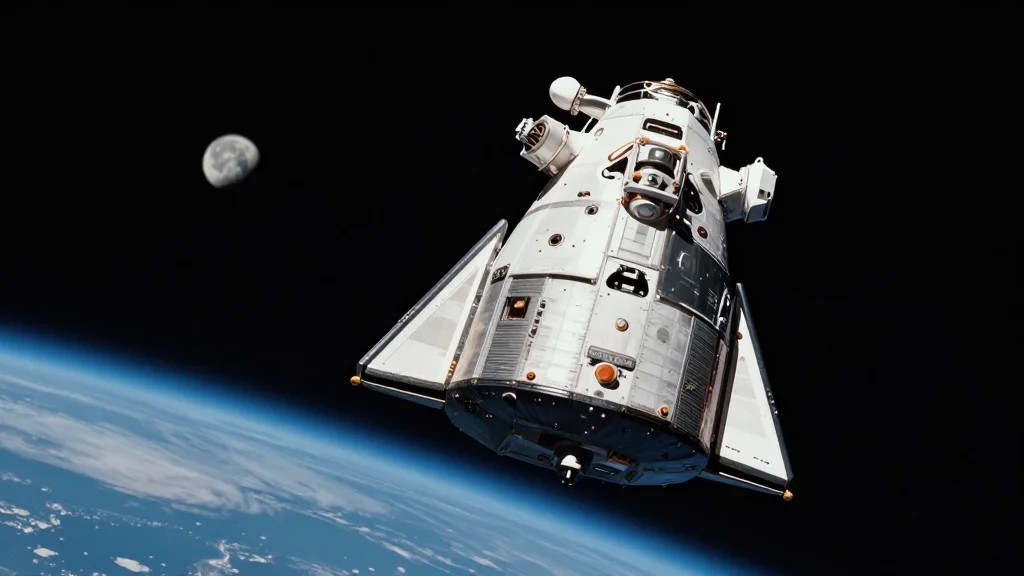
NASA Schedules Artemis II Launch, Elon Musk Shifts to Moon Support

Companies Mentioned

Why It Matters
Artemis II represents the United States' re‑entry into crewed deep‑space missions, a capability that has been dormant for over five decades. The launch not only validates the Orion spacecraft and the SLS rocket but also signals to commercial partners that federal lunar ambitions are moving forward, potentially unlocking billions in private investment. Elon Musk’s public endorsement adds commercial credibility and suggests that SpaceX may soon pivot resources toward lunar construction, accelerating the timeline for a sustainable off‑world economy. The competition with China over lunar infrastructure and space‑based AI data centers could shape the next decade of technology geopolitics. Whoever secures the Moon first may dictate standards for orbital computing, energy distribution, and even legal regimes governing extraterrestrial resources. The outcome will influence everything from satellite communications to the global AI supply chain.
Key Takeaways
- •Artemis II launch scheduled for Wednesday from Cape Canaveral, first crewed deep‑space flight since Apollo 17 (1972).
- •Elon Musk publicly shifted to support lunar development, citing a <10‑year timeline for a Moon city versus 20+ years for Mars.
- •China aims to build gigawatt‑class space AI infrastructure by 2030, targeting industrial‑scale "space clouds."
- •NASA envisions lunar bases as hubs for hardware servicing, supply warehousing, and power‑intensive AI data centers.
- •Success of Artemis II could accelerate private investment and set the stage for Artemis III lunar landing in 2025.
Pulse Analysis
The Artemis II launch is more than a symbolic return to deep‑space; it is a catalyst for a new commercial ecosystem that blends human spaceflight with high‑performance computing. Historically, NASA’s lunar programs have spurred downstream innovation—think of the spin‑offs from Apollo that birthed modern microelectronics. This time, the spin‑offs could include orbital AI farms that leverage the Moon’s abundant solar energy and low‑gravity cooling advantages. Musk’s reversal signals that SpaceX sees a lucrative market beyond launch services, potentially positioning the company as a primary contractor for lunar habitat construction and space‑based data center deployment.
Geopolitically, the United States and China are racing to lock in the first‑mover advantage on the Moon’s industrial frontier. While the U.S. leverages its legacy of public‑private partnerships, China’s state‑driven approach could enable rapid, large‑scale infrastructure projects, especially in AI. The outcome will likely hinge on policy decisions regarding property rights, export controls on AI hardware, and international agreements governing lunar activity. A successful Artemis II will bolster U.S. diplomatic leverage in these negotiations.
Looking ahead, the real test will be whether the Artemis program can transition from demonstration to operational capability. The next few years will determine if lunar habitats become the backbone for a new generation of AI services, or if the vision remains a speculative frontier. Investors, policymakers, and technologists should watch the Artemis II timeline closely, as its success or failure will set the tempo for the emerging space‑AI economy.
NASA Schedules Artemis II Launch, Elon Musk Shifts to Moon Support
Comments
Want to join the conversation?
Loading comments...