NASA Shakes up Its Artemis Program to Speed up Lunar Return
•February 27, 2026
0
Why It Matters
Standardizing SLS and increasing flight frequency could restore U.S. leadership in crewed lunar exploration and reduce program costs, while mitigating geopolitical risk from China’s accelerating space ambitions.
Key Takeaways
- •Exploration Upper Stage cancelled, SLS to use existing stage
- •Artemis IV becomes first lunar landing, scheduled 2028
- •Annual Artemis launches targeted, first in mid‑2027
- •NASA partners with SpaceX, Blue Origin for commercial landers
- •Standardized SLS upper stage aims for 10‑month cadence
Pulse Analysis
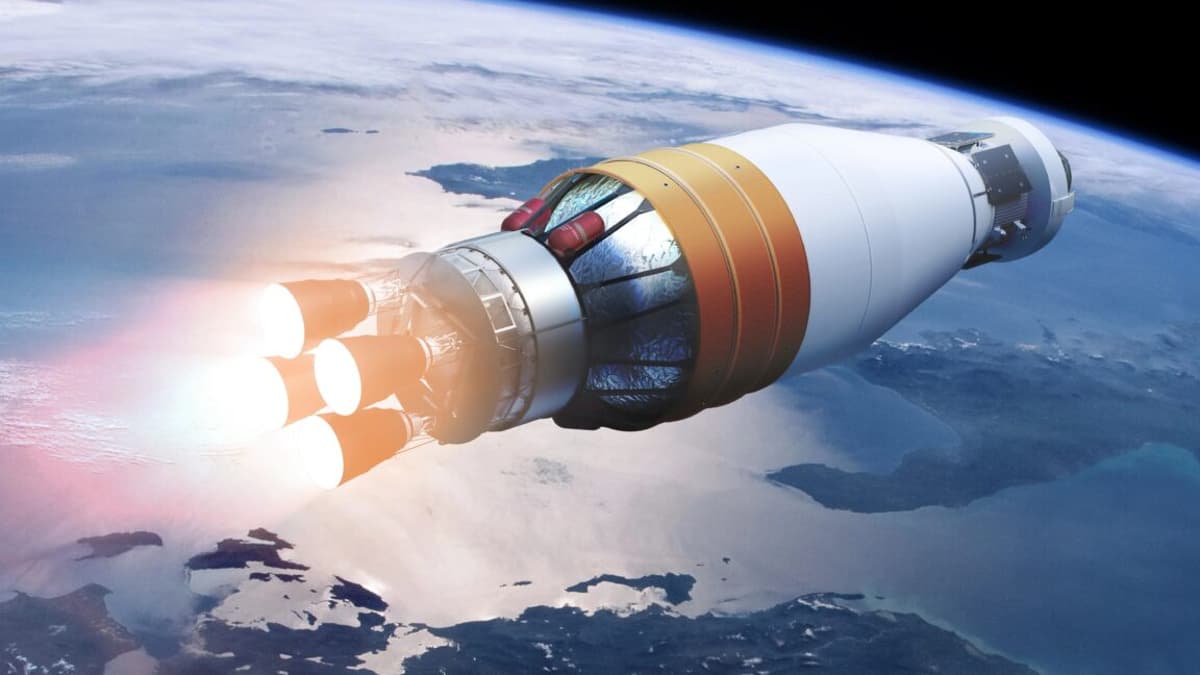
The Artemis program’s latest pivot reflects a pragmatic shift from bespoke, high‑cost hardware toward a repeatable launch architecture. By scrapping the Exploration Upper Stage and adopting a single, proven upper stage configuration, NASA hopes to cut development risk and achieve a roughly ten‑month launch cadence—mirroring the frequency of Apollo’s early missions. This standardization not only streamlines supply chains but also positions the SLS as a reliable workhorse until commercial heavy‑lift alternatives become viable, preserving the agency’s budgetary flexibility.
A key element of the new roadmap is the re‑ordering of mission objectives. Artemis III will now focus on crew transfer and orbital docking with commercial landers, deferring the first surface touchdown to Artemis IV in 2028. This approach borrows from Apollo’s step‑by‑step progression, allowing NASA to validate Orion’s deep‑space systems, docking procedures, and suit performance before committing to a lunar landing. The partnership with SpaceX and Blue Origin accelerates lander development, leveraging private‑sector innovation to meet the tighter schedule while spreading risk across multiple providers.
Geopolitically, the accelerated cadence sends a clear signal to rivals, particularly China, that the United States remains committed to a sustained lunar presence. Faster, more predictable launches improve the United States’ bargaining power in international collaborations and may unlock new commercial markets for lunar infrastructure. If successful, the program could free up an estimated $2 billion annually, funds that could be redirected toward a permanent lunar gateway or future Mars initiatives, reinforcing America’s long‑term deep‑space strategy.
NASA shakes up its Artemis program to speed up lunar return
0
Comments
Want to join the conversation?
Loading comments...