Why It Matters
Adaptive onboard processing could dramatically increase the timeliness and relevance of Earth‑observation data, accelerating climate‑smart land management. The prize incentivizes rapid innovation in a market poised for commercial growth.
Key Takeaways
- •NASA launches SmallSat adaptive sensing challenge
- •$400k prize pool for innovative onboard processing solutions
- •Focus on regenerative agriculture, sustainable forestry, land resilience
- •Participants must address power, compute, bandwidth limits
Pulse Analysis
Commercial space, artificial intelligence, and edge computing are converging to reshape Earth observation. Traditional satellites collect raw imagery on fixed schedules, then downlink massive datasets for ground‑based analysis—a process that can lag behind fast‑changing environmental events. By embedding AI directly on the spacecraft, missions can filter, classify, and even act on data in near‑real time, reducing latency and bandwidth demands while delivering higher‑value insights to users on the ground.
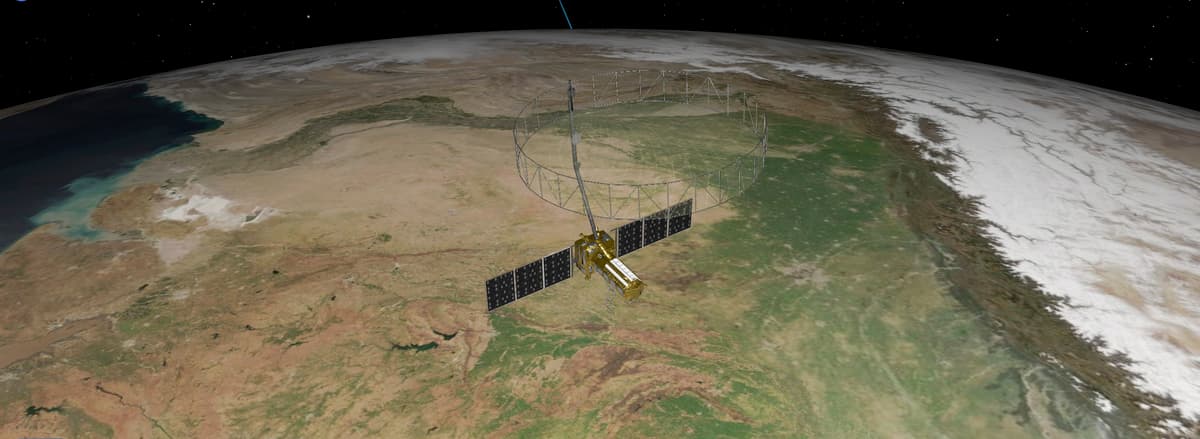
The NASA Space‑to‑Soil Challenge formalizes this shift, targeting SmallSat platforms that must balance limited power, processing capability, and communication bandwidth. Entrants are asked to repurpose existing land‑observation algorithms into an efficient, responsive onboard intelligence layer, rather than invent new agronomic models. With a $400,000 prize pool and a clear deadline of May 4, 2026, the competition encourages both hardware innovators and software developers to propose solutions that can dynamically adjust sensing parameters based on on‑board analytics, thereby optimizing data collection for regenerative agriculture and sustainable forestry.
Success in this arena could unlock new revenue streams for commercial satellite operators and provide farmers, foresters, and policymakers with actionable, timely information. Adaptive sensing promises to lower operational costs, improve data relevance, and accelerate the adoption of climate‑smart practices. As the market for precision agriculture and forest monitoring expands, the technologies proven through this challenge are likely to become standard components of next‑generation Earth‑observation constellations, driving both environmental resilience and economic opportunity.
NASA Space to Soil Challenge
0
Comments
Want to join the conversation?
Loading comments...