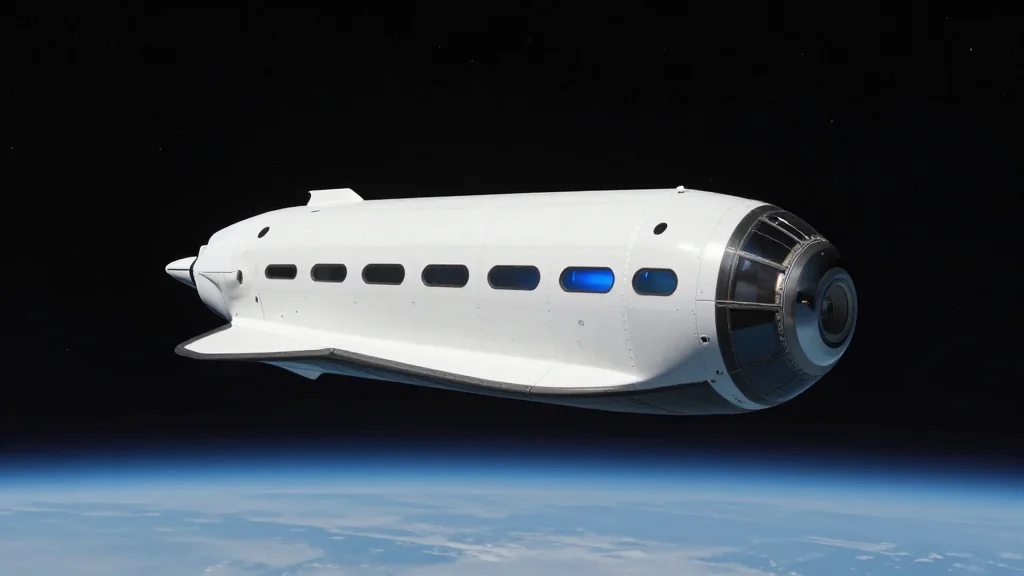
NASA, SpaceX Launch Dragon Mission with 6,500 Pounds of Science and Supplies to the Space Station
Companies Mentioned
SpaceX

NASA
Why It Matters
The timely delivery of critical research payloads sustains the ISS’s scientific agenda, while the repeat use of the same booster and spacecraft underscores SpaceX’s cost‑saving, high‑reliability model for commercial resupply.
Key Takeaways
- •SpaceX's CRS-34 delivered 6,500 lbs of science to ISS.
- •Launch succeeded after two weather delays, demonstrating schedule resilience.
- •Falcon 9 booster B1096 completed sixth flight, fourth SLC-40 landing.
- •Cargo Dragon C209 completed its sixth mission, a first for Dragon-2 program.
- •Docking set for May 17, beginning a 37‑hour chase to ISS.
Pulse Analysis
The Commercial Resupply Services (CRS) program remains a cornerstone of NASA’s partnership with private industry, and SpaceX’s latest CRS‑34 flight reinforces that relationship. By ferrying 6,500 pounds of experiments, hardware, and consumables, the mission supports a wide range of microgravity research, from materials science to biomedical studies, that would be impossible on Earth. The steady cadence of these deliveries helps keep the ISS operational and scientifically productive, extending its relevance as a low‑Earth‑orbit laboratory.
Beyond the payload, CRS‑34 showcases the maturation of SpaceX’s reusable launch architecture. The B1096 booster, now on its sixth flight, achieved a precise return to Landing Zone 40, marking the fourth on‑site landing at SLC‑40 and the 108th on‑shore recovery across all SpaceX pads. This level of reuse drives down launch costs and shortens turnaround times, allowing NASA to allocate more budget to research rather than logistics. Similarly, the Cargo Dragon C209’s sixth flight—first for a Dragon‑2 cargo vehicle—demonstrates the durability of the spacecraft’s design, reinforcing confidence in its long‑term serviceability.
The successful launch after two weather postponements highlights the robustness of mission planning and the flexibility of commercial partners to adapt to dynamic conditions. With docking slated for May 17, the ISS will receive fresh supplies and critical experiments just as the station prepares for upcoming crew rotations and future commercial modules. The continued reliability of SpaceX’s CRS flights not only sustains current scientific output but also paves the way for more ambitious commercial endeavors, such as lunar logistics and deep‑space habitats, cementing the company’s role in the next era of space exploration.
NASA, SpaceX launch Dragon mission with 6,500 pounds of science and supplies to the space station
Comments
Want to join the conversation?
Loading comments...