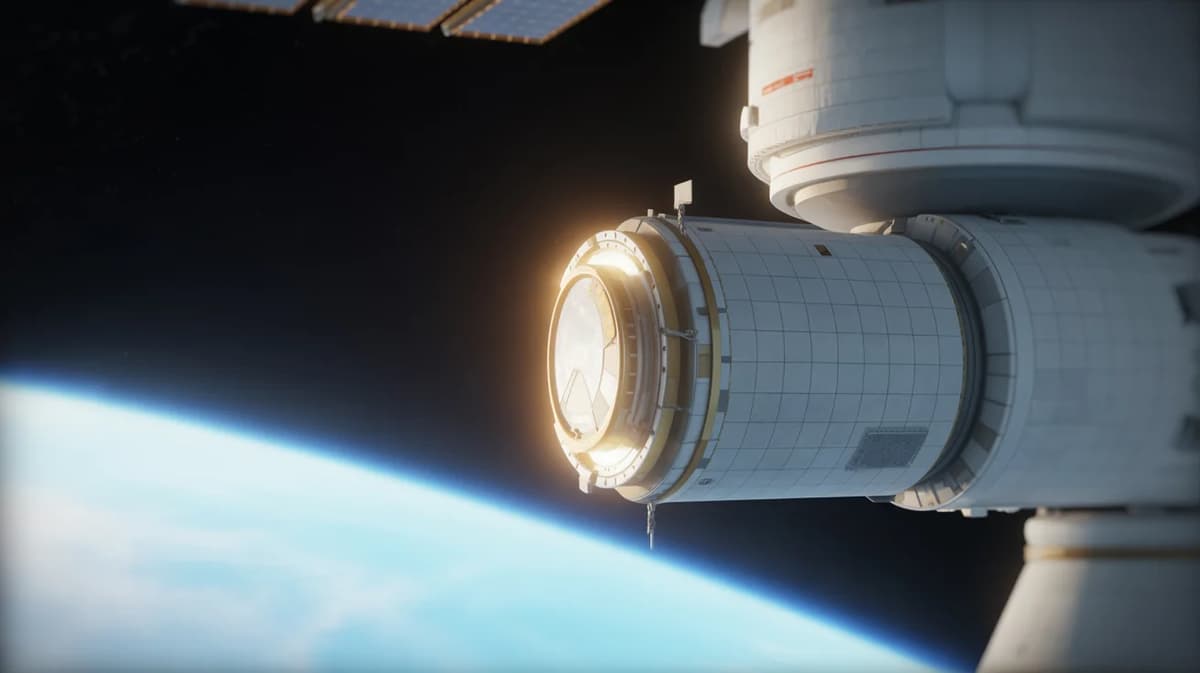
NASA: The Leak in the Zvezda Module on ISS Has Apparently Been Sealed
•January 3, 2026
0
Companies Mentioned


Why It Matters
Sealing the Zvezda leaks restores a critical pressure barrier, reducing risk to crew safety and preserving ISS operational continuity. It also highlights the need for proactive maintenance strategies for aging orbital assets.
Key Takeaways
- •Zvezda leaks sealed after five-year investigation
- •Pressure in PrK tunnel now stable
- •Hull stress fractures stem from age and docking cycles
- •Ongoing monitoring by NASA and Roscosmos continues
- •Future leaks remain possible; caution advised
Pulse Analysis
The Zvezda service module, the Russian‑built heart of the ISS’s life‑support and propulsion systems, has been a persistent source of concern since micro‑fractures began appearing in its hull. Over the past five years, engineers from NASA and Roscosmos conducted a series of diagnostic EVA inspections, pressure tests, and targeted sealant applications. By finally achieving a stable pressure reading in the PrK transfer tunnel, the agencies have demonstrated that even legacy hardware can be effectively managed with coordinated international effort, buying valuable time for the station’s planned de‑orbit timeline.
Beyond the immediate safety relief, the Zvezda episode serves as a case study in the challenges of operating aging spacecraft in low‑Earth orbit. The module’s stress fractures are a direct consequence of thermal cycling, micrometeoroid impacts, and the mechanical loads of frequent dockings. These factors accelerate material fatigue, prompting a broader industry conversation about extending the service life of orbital platforms through modular upgrades, in‑situ repair technologies, and more resilient material choices. The incident also informs the design philosophy for next‑generation stations, such as the Lunar Gateway, where long‑duration exposure will demand robust structural health monitoring.
For commercial operators eyeing the burgeoning low‑Earth orbit market, the Zvezda leak resolution underscores the importance of rigorous maintenance protocols and transparent risk communication. Investors and stakeholders now have a clearer picture of the cost and effort required to keep aging infrastructure operational, influencing budgeting for future missions and insurance underwriting. As the ISS approaches the end of its current operational window, lessons learned from Zvezda will shape policy decisions on whether to refurbish, replace, or retire critical modules, ultimately affecting the economics of humanity’s continued presence in space.
NASA: The leak in the Zvezda module on ISS has apparently been sealed
0
Comments
Want to join the conversation?
Loading comments...