NASA to Showcase Mission to Boost Swift Spacecraft’s Orbit
Companies Mentioned
Why It Matters
Extending Swift’s orbit preserves a critical gamma‑ray burst observatory without the expense of a new satellite, while demonstrating on‑orbit servicing that could become a standard capability for future NASA and commercial missions.
Key Takeaways
- •LINK spacecraft to launch on Pegasus XL in late June 2026.
- •Mission will raise Swift’s altitude, extending its science life.
- •Media can view launch at Wallops on June 17, credentials required.
- •On‑orbit servicing showcases reusable robotics for future satellites.
- •Swift, launched 2004, studies gamma‑ray bursts and transient events.
Pulse Analysis
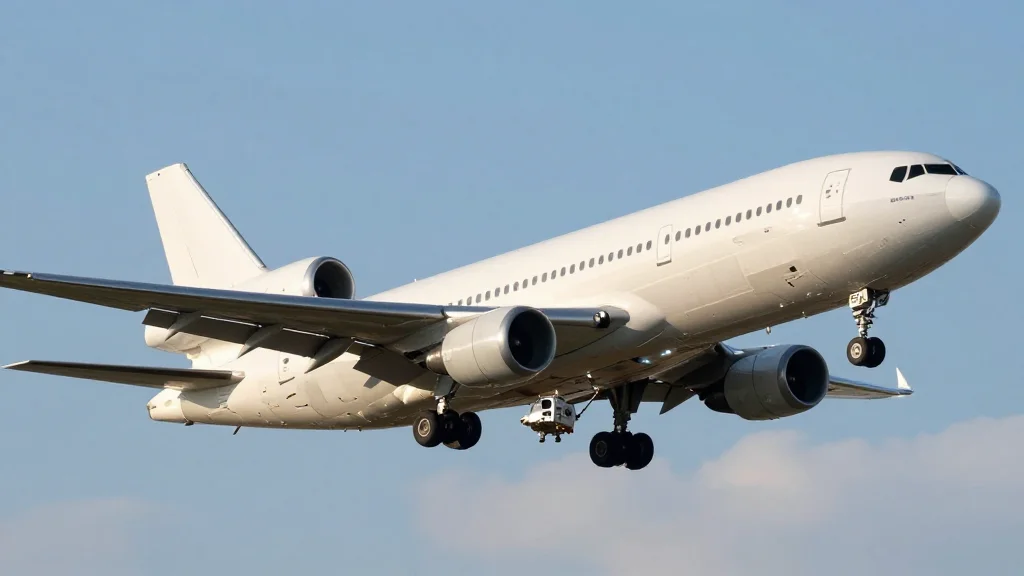
The upcoming Swift boost mission marks a milestone in on‑orbit servicing, pairing Katalyst’s LINK robotic spacecraft with Northrop Grumman’s Pegasus XL launch system. Encapsulated inside the Pegasus, LINK will be air‑launched from the L‑1011 Stargazer over the Atlantic, then maneuver to rendezvous with the Swift Observatory. This approach sidesteps the need for a dedicated launch vehicle, leveraging existing aerospace infrastructure to deliver a precise orbital insertion that will raise Swift’s altitude by several kilometers, mitigating atmospheric drag that has gradually lowered its orbit since 2004.
Extending Swift’s operational life has immediate scientific and fiscal benefits. The observatory’s rapid response to gamma‑ray bursts and other high‑energy transients continues to feed data to a global network of “first‑responder” missions, informing follow‑up observations across the electromagnetic spectrum. By avoiding the cost of building a replacement telescope—estimated in the hundreds of millions of dollars—NASA preserves budget for new flagship projects while maintaining a critical data stream for astrophysics research. The mission also validates robotic servicing technologies that could be repurposed for satellite refueling, debris removal, and upgrades, aligning with the broader industry shift toward sustainable space operations.
Beyond Swift, the success of LINK will influence NASA’s service‑oriented roadmap and its partnerships with commercial innovators. Demonstrating reliable, autonomous rendezvous and orbital adjustment paves the way for future missions such as the Lunar Gateway servicing and potential upgrades to the James Webb Space Telescope. The collaboration underscores a growing ecosystem where private firms provide specialized spacecraft that extend the utility of existing assets, reducing launch cadence and fostering a more resilient, cost‑effective space infrastructure. As the sector embraces these capabilities, on‑orbit servicing is poised to become a cornerstone of next‑generation space strategy.
NASA to Showcase Mission to Boost Swift Spacecraft’s Orbit
Comments
Want to join the conversation?
Loading comments...