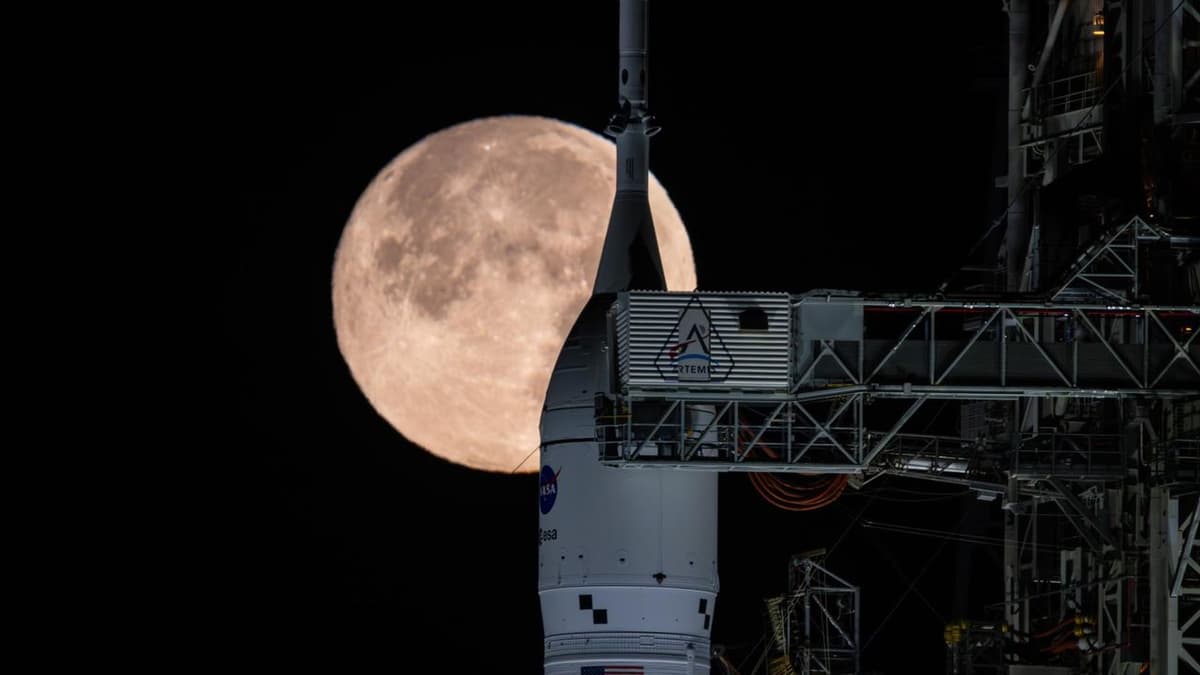
NASA Will Fuel up Its Artemis 2 Moon Rocket for the 2nd Time on Feb. 19. Will It Leak Again?
•February 17, 2026
0
Why It Matters
A successful wet dress is critical to certify SLS for crewed flight, keeping Artemis 2 on schedule and preserving momentum for subsequent lunar landings.
Key Takeaways
- •Second wet dress rehearsal scheduled for Feb 19.
- •LH₂ leak previously traced to TSMU seal failure.
- •Replaced seals and filter to restore propellant flow.
- •Launch window opens early March, pending successful test.
- •Artemis 2 will validate crewed SLS and Orion performance.
Pulse Analysis
The wet‑dress rehearsal is a cornerstone of NASA’s launch‑readiness protocol, simulating the exact sequence of propellant loading, countdown and abort procedures that will occur on launch day. For Artemis 2, the Space Launch System must be filled with more than 700,000 gallons of liquid hydrogen and liquid oxygen, a task that stresses both the rocket’s massive tanks and the ground‑support infrastructure at Kennedy Space Center. Earlier this month, the first rehearsal was cut short when a hydrogen leak emerged at the tail service mast umbilical, a known vulnerability that also delayed Artemis 1. By repeating the test, NASA aims to validate that the SLS can safely handle crew‑rated operations.
Following the leak, engineers swapped out two critical seals on the umbilical and identified a clogged filter that had restricted hydrogen flow during a Feb 12 confidence‑fill exercise. After replacing the filter, the team completed a partial‑fill that met key performance metrics, restoring confidence in the propellant system. The upcoming Feb 19 rehearsal will run a full two‑day countdown, including terminal‑count pauses that mimic real‑world scrub scenarios. Successful completion will demonstrate that the corrective actions have eliminated the leak path and that the ground‑support equipment can sustain the high‑flow rates required for a crewed launch.
Artemis 2 represents NASA’s first crewed deep‑space flight since Apollo, and its timely launch is essential for maintaining the cadence of lunar exploration. A March 6 liftoff would keep the program on track for Artemis 3, the mission that intends to land astronauts on the Moon’s surface as early as 2028. Beyond schedule, a flawless wet dress reinforces confidence among commercial partners and international stakeholders, signaling that the SLS and Orion are reliable platforms for future Artemis and potential Mars missions. In a competitive space market, each successful test bolsters NASA’s leadership and justifies continued federal investment in deep‑space capabilities.
NASA will fuel up its Artemis 2 moon rocket for the 2nd time on Feb. 19. Will it leak again?
0
Comments
Want to join the conversation?
Loading comments...