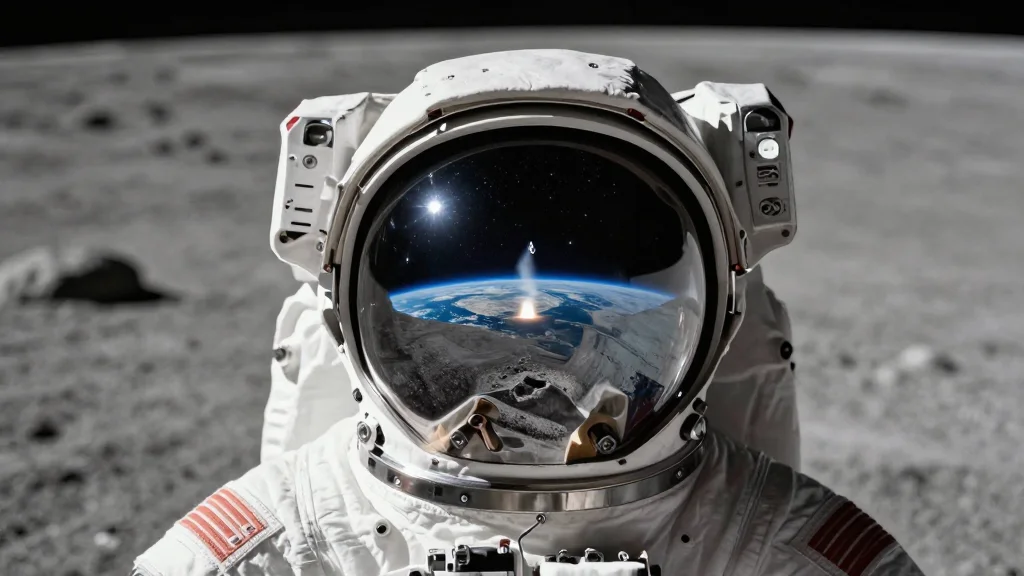
NASA’s Artemis Documentary Streams Globally as “Artemis: To the Moon and Back” Launches Online

Companies Mentioned

Why It Matters
The simultaneous launch of a high‑profile documentary and the viral splashdown video serves a dual purpose: it cements Artemis II in the public consciousness and creates a narrative bridge to Artemis III, where commercial partners will vie for lunar‑landing contracts. By making the story widely accessible, NASA leverages entertainment channels to sustain political and fiscal backing for its ambitious lunar architecture, including the $30 billion moon‑base roadmap. Moreover, the documentary’s global availability via multiple streaming services and VPN work‑arounds demonstrates a shift in how space agencies distribute content, moving beyond traditional broadcast to on‑demand digital platforms. This democratization of space storytelling could inspire a new generation of engineers and investors, feeding the broader SpaceTech ecosystem with talent and capital.
Key Takeaways
- •NASA’s 59‑minute documentary "Artemis: To the Moon and Back" launched on Discovery+ (US) and BBC iPlayer (UK) on April 16, 2026.
- •VPN services enable viewers in Canada, Australia and other regions to stream the film despite regional licensing.
- •Artemis II splashdown footage shows Navy divers opening Orion’s hatch, with astronauts hearing "welcome home" from the recovery team.
- •Reid Wiseman posted on X: "Forever thankful for your service to our crew and the nation," highlighting the human element of the mission.
- •The release builds momentum for Artemis III, the 2027 mission that will test SpaceX’s Starship HLS and Blue Origin’s Blue Moon landers.
Pulse Analysis
NASA’s decision to pair a documentary release with fresh splashdown footage is a textbook case of narrative‑driven funding strategy. By turning a technical achievement into a consumable story, the agency taps into the same emotional resonance that propelled Apollo’s 1969 broadcast, but with the added reach of modern streaming ecosystems. This approach not only sustains public enthusiasm but also pressures lawmakers to maintain budgetary support for the Artemis program, especially as the agency prepares to award lunar‑lander contracts to SpaceX and Blue Origin.
The competitive dynamic between SpaceX and Blue Origin, highlighted in the documentary’s preview of Artemis III, signals a broader shift in SpaceTech: government missions are increasingly becoming procurement contests for private firms. The public’s exposure to both companies’ capabilities through a single, neutral narrative could level the playing field, reducing the risk of a single‑vendor lock‑in and encouraging redundancy—a key safety principle for deep‑space operations. Analysts will watch how viewership metrics translate into political capital for each contractor.
Finally, the global streaming model sets a precedent for future space‑related content. As missions become more frequent and complex, agencies may rely on on‑demand platforms to keep the public informed and invested. This could spawn a new sub‑industry of SpaceTech media production, where documentary studios partner directly with mission planners to craft real‑time storytelling pipelines, further blurring the line between public outreach and commercial entertainment.
NASA’s Artemis Documentary Streams Globally as “Artemis: To the Moon and Back” Launches Online
Comments
Want to join the conversation?
Loading comments...