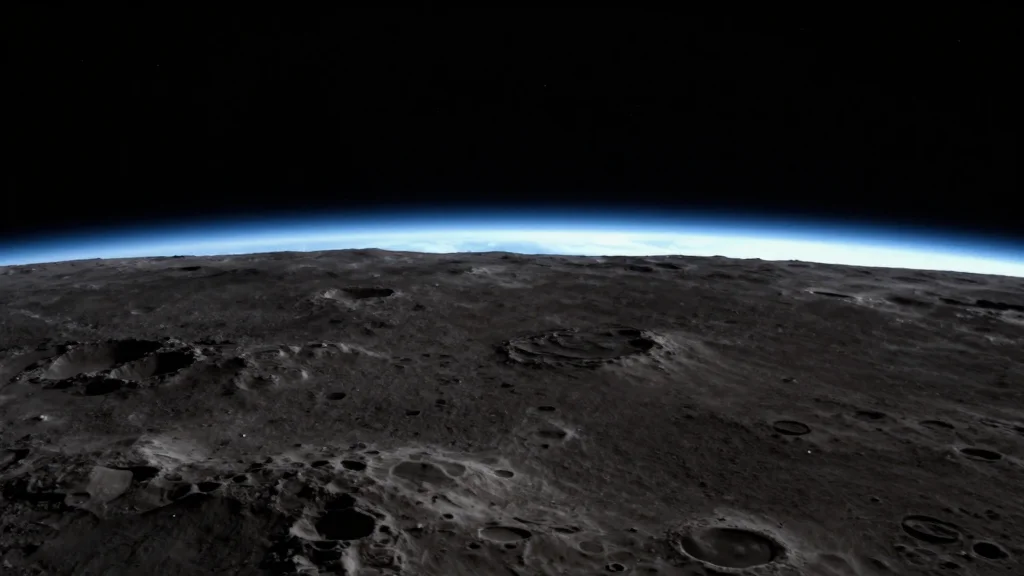
NASA's Artemis II Completes Far‑side Lunar Loop, Captures Historic Earthset

Why It Matters
Artemis II’s far‑side loop proves that NASA can safely navigate and operate a crewed spacecraft in the communications‑blackout environment that will be routine for future lunar landings. The visual data, especially the Earthset image, provides a unique scientific dataset for studying Earth’s albedo and atmospheric dynamics from a new perspective, informing climate models and future remote‑sensing missions. Moreover, the mission’s success reinforces the United States’ strategic goal of establishing a sustainable presence on the Moon, a prerequisite for deeper exploration of Mars and beyond. The mission also carries geopolitical weight. Demonstrating reliable crewed lunar capability positions the U.S. as a leader in the emerging SpaceTech market, influencing commercial partnerships, international collaborations, and policy decisions related to lunar resource utilization and space traffic management.
Key Takeaways
- •Artemis II completed its first crewed far‑side lunar loop on flight day 6
- •Crew captured a rare "Earthset" photo as Earth slipped behind the Moon
- •A planned communications blackout lasted several minutes, with contact re‑established successfully
- •Mission validates Orion’s navigation and communication systems for future lunar landings
- •Data will inform Artemis III landing plans and broader lunar exploration strategy
Pulse Analysis
The Artemis II far‑side pass is more than a symbolic milestone; it is a technical validation of the Orion spacecraft’s autonomous capabilities. In past crewed lunar missions, communication blackouts were managed manually, but Artemis II relied on pre‑loaded command sequences and onboard fault detection, reducing ground‑segment workload and risk. This shift signals a maturation of deep‑space operations that will be essential as NASA scales up to a permanent lunar gateway and eventually crewed Mars missions.
Commercial partners are watching closely. Companies like SpaceX and Blue Origin have pledged support for lunar logistics, and the data from Artemis II will shape the design of landers and surface habitats that must operate under similar blackout conditions. The visual assets, especially the Earthset image, also serve a public‑relations purpose, rekindling public fascination with lunar exploration and potentially driving new investment into SpaceTech startups focused on imaging, navigation and radiation protection.
Looking ahead, Artemis III’s success hinges on the lessons learned from this flight. The precise timing of the blackout, the performance of the high‑gain antenna, and the crew’s ability to conduct science during communication gaps will all feed into the landing architecture. If Artemis III lands on the Moon’s south pole as planned, the program will have completed a full cycle from orbit to surface, cementing the United States’ leadership in the new era of lunar exploration.
NASA's Artemis II completes far‑side lunar loop, captures historic Earthset
Comments
Want to join the conversation?
Loading comments...