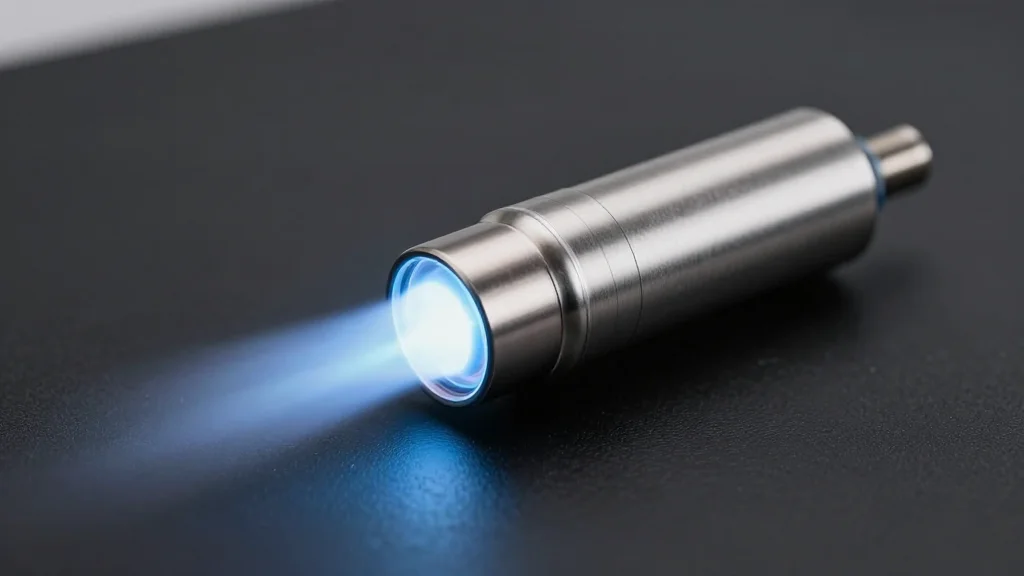
New Lithium-Plasma Engine Passes Key Mars Propulsion Test
Why It Matters
Achieving megawatt‑scale electric propulsion could dramatically reduce launch mass and cost for crewed Mars missions, accelerating humanity’s deep‑space ambitions.
Key Takeaways
- •120 kW lithium‑plasma thruster sets U.S. record
- •Power is 25× Psyche’s electric thrusters
- •Thruster survived 2,800 °C during test
- •Human Mars mission may need 2–4 MW total
- •Electric propulsion could cut fuel use by up to 90%
Pulse Analysis
Electric propulsion has long been the workhorse of deep‑space probes, but its low thrust has limited crewed applications. NASA’s latest lithium‑plasma thruster breaks that barrier by delivering 120 kilowatts—roughly 25 times the power of the Hall thrusters aboard the Psyche asteroid mission—while operating at temperatures exceeding 2,800 °C. The use of lithium metal vapor as propellant offers higher exhaust velocities than xenon, translating into greater specific impulse and dramatically improved fuel efficiency. This test marks the first time a U.S. engine has reached megawatt‑class power levels in a laboratory setting.
Scaling from a single 120 kW unit to the 2–4 megawatts envisioned for a human Mars voyage will require arrays of thrusters running continuously for more than 23,000 hours. Engineers must solve thermal management, power‑distribution, and long‑duration wear issues, but the successful high‑temperature test demonstrates that the core hardware can survive the extreme environment. If integrated with nuclear or solar electric power sources, the system could slash propellant mass by up to 90%, potentially shrinking launch vehicle size and opening the door to faster transit windows or even flexible mission timelines.
The breakthrough resonates beyond NASA, signaling a viable path for commercial operators seeking high‑efficiency propulsion for cargo, satellite servicing, or interplanetary logistics. Companies such as SpaceX and Blue Origin are already exploring electric thrust for orbital transfer, and a proven lithium‑plasma architecture could attract private investment and accelerate the development of megawatt‑scale power systems. As governments and investors prioritize sustainable space infrastructure, the ability to deliver thrust with minimal fuel consumption positions electric propulsion as a cornerstone of the next era of exploration and commerce.
New lithium-plasma engine passes key Mars propulsion test
Comments
Want to join the conversation?
Loading comments...