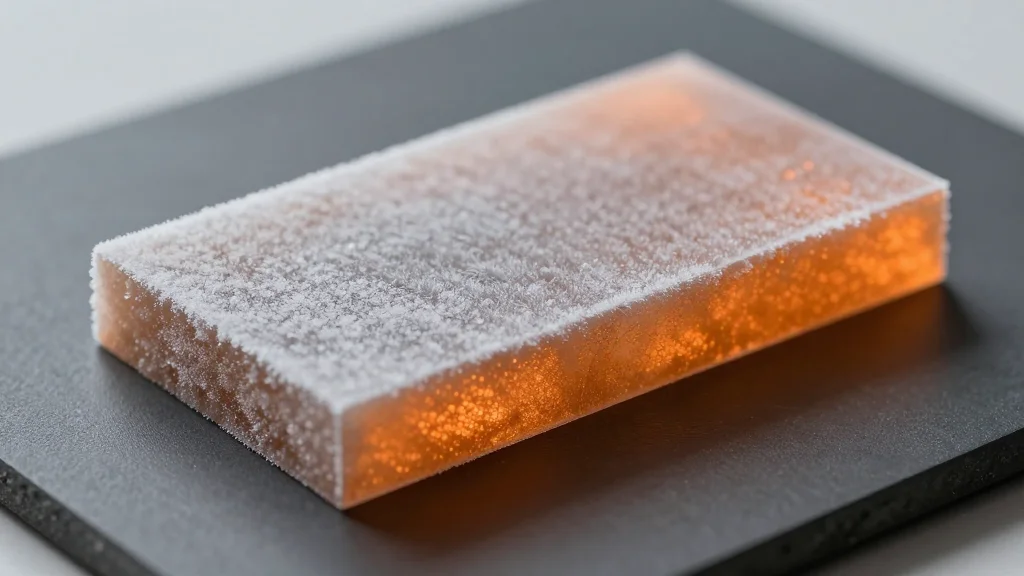
New NASA Technology Mimics Extreme Cold of the Lunar Night
Companies Mentioned

NASA
Why It Matters
By providing a safer, cheaper way to simulate the Moon’s extreme night temperatures, LESTR accelerates material qualification for NASA’s Artemis lunar base and future rover missions, reducing development risk and budget pressure.
Key Takeaways
- •LESTR reaches 40 K (‑388 °F) without liquid cryogens
- •Dry vacuum testing cuts safety equipment and costs
- •Enables testing of shape‑memory alloys for lunar and Martian rovers
- •Supports NASA’s Moon Base material qualification program
- •LESTR 2 under construction; first unit deployed to Fort Wayne Metals
Pulse Analysis
The lunar night plunges surface temperatures to roughly 40 Kelvin, a regime that can fracture rubber, shatter circuit boards, and freeze electrical contacts. Historically, NASA relied on liquid cryogens—nitrogen, helium, hydrogen—to create such conditions, a process that demands specialized tanks, handling protocols, and extensive safety systems. While effective, these methods add weight, cost, and logistical complexity to ground‑based testing, limiting the speed at which new materials can be qualified for space missions.
LESTR overturns that paradigm by employing a high‑powered cryocooler to withdraw heat within a completely dry vacuum chamber. Eliminating liquid cryogens removes the need for dewers, wet heaters, oxygen‑displacement sensors, and associated safety infrastructure, translating into lower operational expenses and faster turnaround times. The rig’s ability to reach temperatures as low as 40 K while maintaining a mechanical testing environment opens new avenues for evaluating composites, polymers, and metal alloys under realistic lunar and Martian thermal stresses.
For NASA’s Artemis program and upcoming lunar‑surface habitats, this capability is pivotal. Engineers can now rigorously assess shape‑memory alloys that retain elasticity after extreme thermal cycling, a technology crucial for rover tires that must endure rugged terrain without punctures. The same testing platform supports next‑generation spacesuit fabrics, ensuring astronaut mobility and protection during prolonged night‑time excursions. As LESTR 2 comes online and partnerships with industry expand, the rig is set to become a cornerstone of the agency’s material‑validation pipeline, influencing commercial space ventures that seek to operate in the harsh environments of the Moon and beyond.
New NASA Technology Mimics Extreme Cold of the Lunar Night
Comments
Want to join the conversation?
Loading comments...