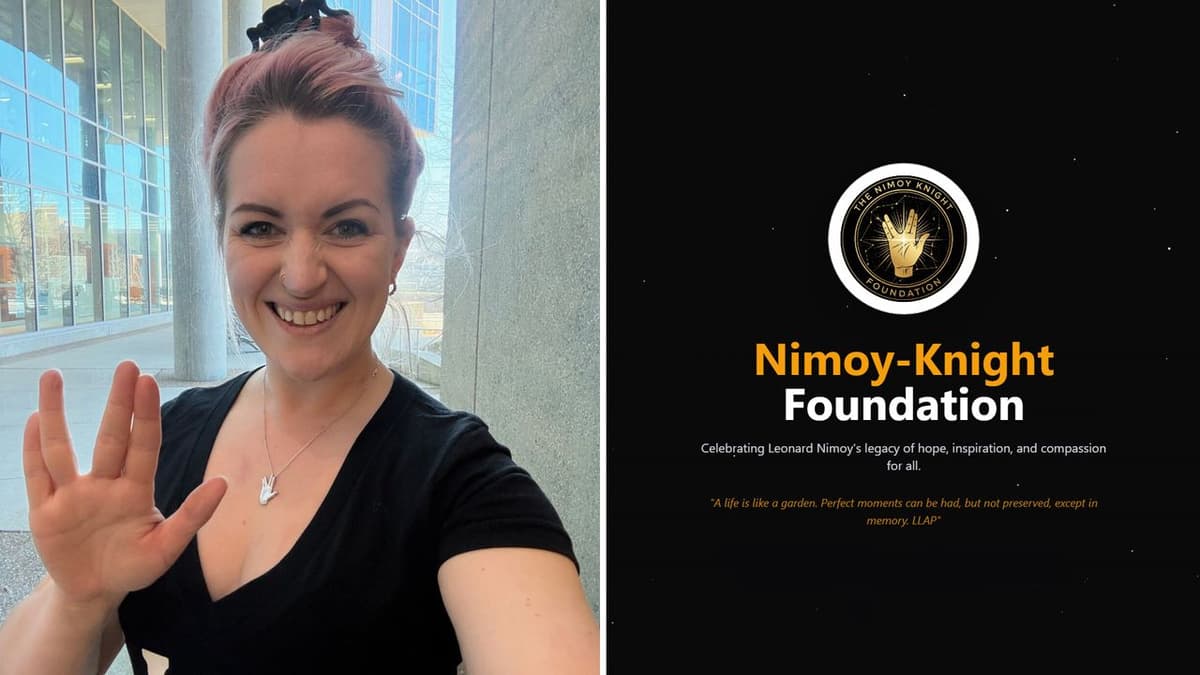
Nimoy-Knight Foundation Honors 'Girl Spock' And Her Mission to Become the 1st Openly Autistic Woman in Space
•February 6, 2026
0
Companies Mentioned


Why It Matters
Her pursuit highlights neurodiversity representation in the aerospace sector, encouraging inclusive STEM pathways and broader societal acceptance of autistic professionals.
Key Takeaways
- •Dr. Jessica Schonhut-Stasik receives Live Long & Prosper Award.
- •She aims to become first openly autistic woman astronaut.
- •Nimoy‑Knight Foundation ties Leonard Nimoy legacy to space advocacy.
- •Blue Origin’s pendants have previously flown, now tourism paused.
- •Neuroverse Initiative promotes neurodiversity in space science.
Pulse Analysis
Leonard Nimoy’s cultural impact extends beyond entertainment, shaping philanthropic efforts that merge science, diversity, and popular culture. The Nimoy‑Knight Foundation, launched by his daughter Julie and son‑in‑law David Knight, leverages the iconic Spock persona to champion neurodiversity, education, and space exploration. By instituting the Live Long & Prosper Tribute Award, the foundation creates a tangible link between speculative fiction and real‑world research, positioning awardees as ambassadors for inclusive innovation.
Jessica Schonhut‑Stasik’s dual role as a galactic archaeologist and CEO of the Neuroverse Initiative underscores a growing trend: scientists who are also vocal advocates for neurodivergent inclusion. Her ambition to become the first openly autistic woman in space not only breaks personal barriers but also signals to funding agencies and industry leaders that diverse cognitive perspectives can drive novel problem‑solving in mission design and data analysis. As space agencies broaden crew selection criteria, her visibility may accelerate policy shifts toward broader disability accommodations.
The broader aerospace ecosystem is also feeling the ripple effects. Blue Origin’s decision to pause sub‑orbital tourism to focus on lunar projects illustrates the sector’s shifting priorities, yet the symbolic act of sending award pendants into space reinforces the narrative that spaceflight is a shared cultural experience. Integrating neurodiversity champions like Schonhut‑Stasik into these narratives can attract new talent pools, diversify investor interest, and strengthen public support for ambitious programs ranging from orbital habitats to deep‑space exploration.
Nimoy-Knight Foundation honors 'Girl Spock' and her mission to become the 1st openly autistic woman in space
0
Comments
Want to join the conversation?
Loading comments...