Why It Matters
Understanding our planet’s place among extreme planetary neighbors fuels public enthusiasm for space exploration and reinforces the urgency of protecting Earth’s fragile environment.
Key Takeaways
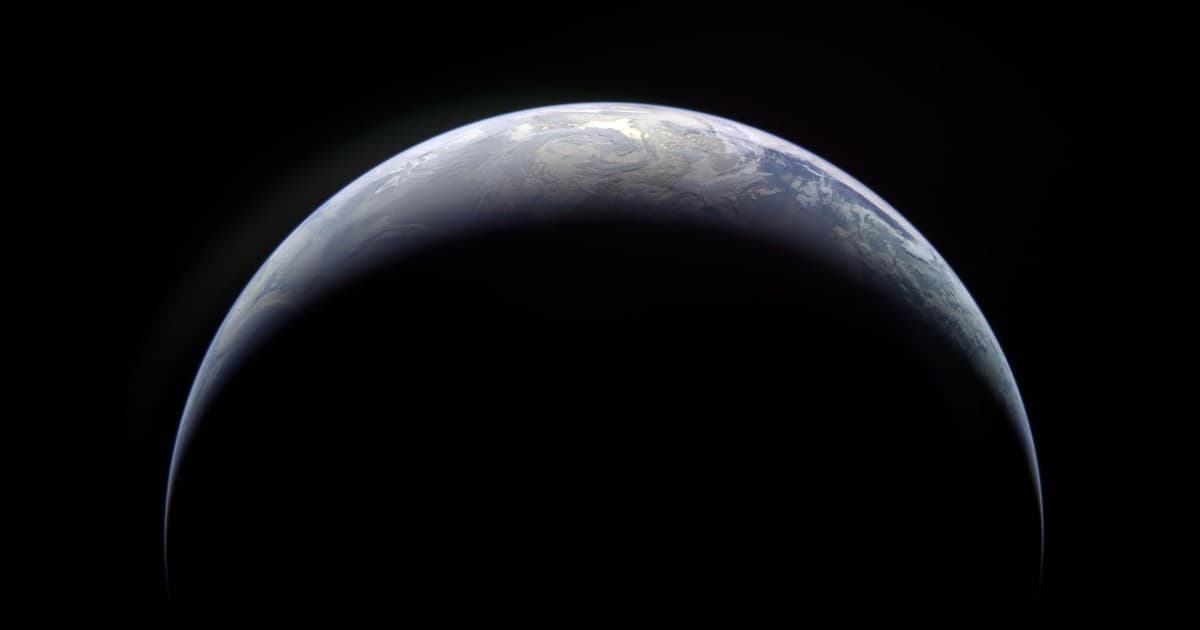
- •Rosetta captured Earth’s crescent during 2009 flyby.
- •Venus appears bright but hides a lethal atmosphere.
- •Mars hosts volcanoes larger than any on Earth.
- •Jupiter could engulf Earth a thousand times.
- •Saturn’s rings sparkle like icy hoops in telescopes.
Pulse Analysis
The phrase “There’s no place like home” has resonated for decades, but its meaning expands when viewed from space. The Rosetta mission’s 2009 Earth flyby produced a striking crescent image that reminded scientists and the public alike of our planet’s delicate position in a vast solar system. By pairing that visual with the timeless allure of *The Wizard of Oz*, the article bridges pop culture and astrophotography, making the abstract scale of the cosmos more relatable.
Beyond the poetic framing, the piece highlights the stark contrasts among neighboring planets. Venus glows like a beacon yet conceals crushing pressures and sulfuric clouds, while Mars, half Earth’s size, boasts Olympus Mons—three times taller than Mount Everest—and the colossal Valles Marineris canyon system. Jupiter’s massive gas envelope could swallow Earth a thousand times over, and Saturn’s iconic rings, composed of ice and rock, create a glittering halo visible through modest telescopes. These comparative snapshots illustrate how planetary science leverages extreme examples to decode Earth’s own climate and geological history.
The broader implication is clear: a vivid planetary perspective can galvanize support for future missions and climate action. When audiences see Earth as a fragile oasis amid hostile worlds, the urgency to preserve its biosphere intensifies. Moreover, such narratives inspire the next generation of engineers, astronomers, and policymakers who will design the spacecraft and international collaborations needed to explore, protect, and perhaps one day inhabit other worlds. The article thus serves as both a reminder of our unique home and a call to invest in the scientific endeavors that keep it safe.
No place like home
Comments
Want to join the conversation?
Loading comments...