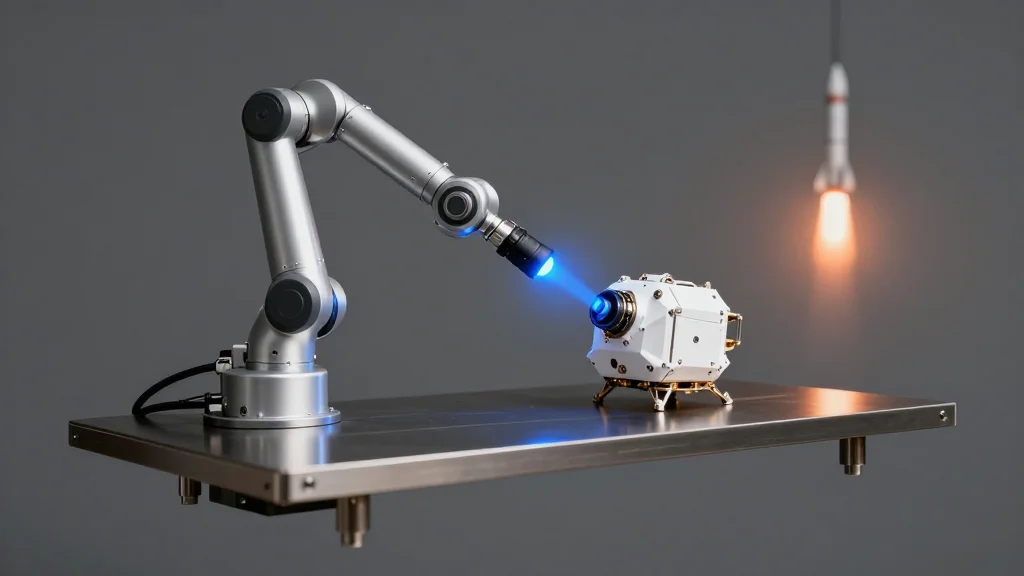
Northrop Grumman Readies Mission Robotic Vehicle for Summer Launch, Expanding On‑orbit Servicing

Companies Mentioned
Why It Matters
The MRV launch marks a turning point for the commercial space‑servicing sector, moving the concept of on‑orbit refueling from experimental to operational. By providing a standardized interface and a proven robotic platform, Northrop Grumman could lower the barrier for satellite operators to extend mission life, reducing the need for costly replacements and mitigating space debris. The partnership with the Space Force also signals that national security priorities are aligning with commercial capabilities, potentially unlocking further government contracts. If the MRV demonstrates reliable docking and fuel transfer, it may catalyze a wave of similar services, prompting competitors to accelerate their own robotic servicing programs. This could reshape the economics of GEO satellite fleets, shifting focus from launch frequency to in‑orbit maintenance and upgrade cycles.
Key Takeaways
- •Northrop Grumman’s MRV scheduled for summer launch on a dedicated SpaceX ride
- •First commercial robotic mission for on‑orbit refueling and satellite life‑extension
- •Vehicle equipped with two robotic arms, LIDAR, infrared and visible sensors
- •Developed in partnership with Naval Research Lab and NASA; includes standardized PRM interface
- •Launch will also carry three Mission Extension Pods for GEO satellite service
Pulse Analysis
Northrop Grumman’s decision to field the MRV now, rather than waiting for a broader market consensus, reflects a strategic bet that the U.S. defense establishment will drive early adoption. The Space Force’s maneuver warfare doctrine, which emphasizes rapid, flexible response in orbit, creates a clear demand for on‑demand refueling and repair. By aligning its technology roadmap with these requirements, Northrop positions itself as a preferred supplier for future defense contracts, potentially locking in a revenue stream that could dwarf the commercial side in the short term.
From a commercial perspective, the MRV could serve as a catalyst for a new business model: satellite operators paying per‑service rather than per‑launch. This model mirrors trends in terrestrial infrastructure, where maintenance‑as‑a‑service is gaining traction. If the MRV’s docking and refueling processes prove repeatable, operators may opt to design new satellites around the PRM standard, creating a virtuous cycle of hardware compatibility and service demand.
However, the competitive landscape is heating up. Companies such as Astroscale, Maxar and smaller startups are also fielding proximity‑operations and debris‑removal technologies. Northrop’s advantage lies in its deep defense ties and the ability to leverage existing launch contracts with SpaceX. The real test will be whether the MRV can deliver on its promised capabilities without costly overruns. A successful demonstration could accelerate industry standards, while a setback might reinforce the perception that in‑space servicing remains a high‑risk venture.
Northrop Grumman readies Mission Robotic Vehicle for summer launch, expanding on‑orbit servicing
Comments
Want to join the conversation?
Loading comments...