NSS Commends NASA for Recommitting to a True Commercial Future in Low Earth Orbit
Why It Matters
NASA’s pivot to a purely commercial LEO strategy accelerates the transition from government‑run habitats to a market‑driven orbital economy, safeguarding continuous American crewed access after the ISS retirement.
Key Takeaways
- •NASA dropped core module, favoring fully commercial LEO stations
- •NSS urges immediate CLD Phase 2 RFP and firm commercial commitment
- •Industry has invested over $1 billion in hardware for private stations
- •ISS de‑orbit slated early 2030s, raising urgency for LEO continuity
- •NASA’s policy shift could spark a sustainable orbital economy
Pulse Analysis
NASA’s recent reversal on the core‑module idea reflects a broader industry consensus that a commercial‑first approach is the most viable path for low‑Earth‑orbit (LEO) development. The agency’s original plan, unveiled at the March Ignition event, envisioned a government‑owned hub to which private partners could attach. After a targeted Request for Information gathered dozens of detailed responses, NASA concluded that the market already possesses the technical depth and financial commitment to sustain independent stations, prompting the abandonment of the hybrid model.
The National Space Society (NSS) has been a vocal advocate for this market‑driven direction, submitting a comprehensive RFI response that highlighted a robust LEO economy forecast. Companies such as Axiom Space, Vast, and Starlab have collectively poured more than $1 billion into habitats, propulsion, and life‑support systems, and they already have paying customers ranging from national space agencies to private research firms. NSS’s engagement with Congress underscores the political momentum behind a fully commercial CLD program, positioning NASA as a customer rather than an operator and allowing private capital to drive innovation and cost reductions.
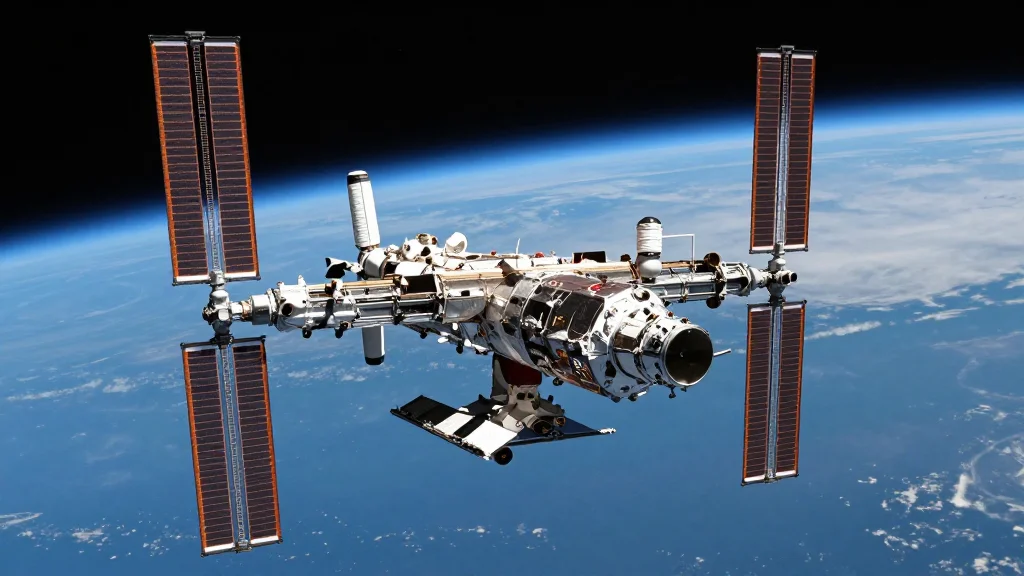
With the International Space Station scheduled for de‑orbit in the early 2030s, the window to ensure an uninterrupted American presence in orbit is narrowing. A swift CLD Phase 2 RFP and a clear commitment to transition crews onto commercial platforms will close the gap between ISS retirement and the activation of new stations. Successful execution could unlock a multi‑billion‑dollar orbital economy, generate high‑skill jobs, and cement the United States’ leadership in the emerging commercial space sector.
NSS Commends NASA for Recommitting to a True Commercial Future in Low Earth Orbit
Comments
Want to join the conversation?
Loading comments...