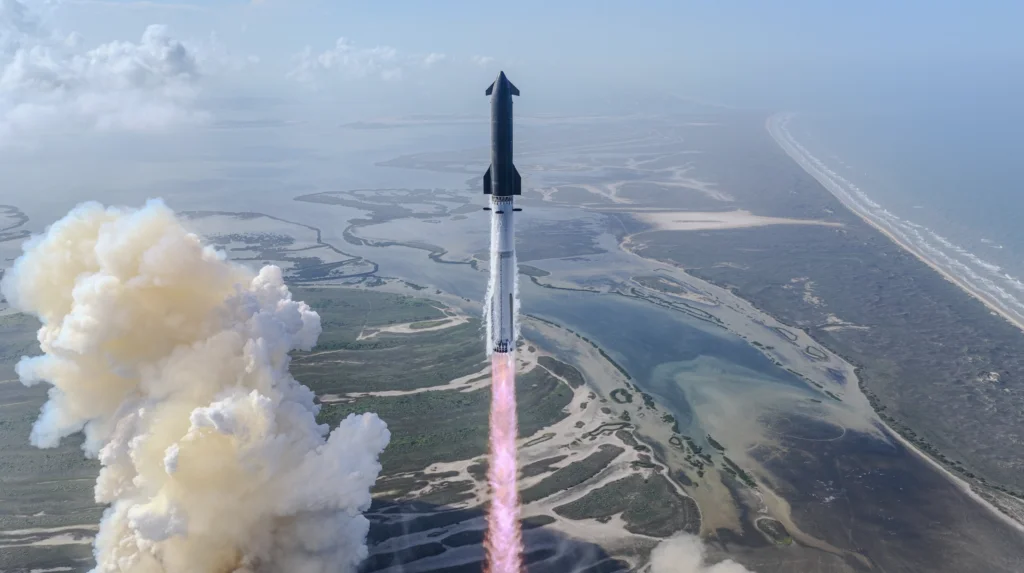
Nuggets in the SpaceX S-1 and Our Thoughts on the Business
Why It Matters
The S‑1 provides the first granular look at SpaceX’s cash flow and growth trajectory, informing investors and competitors about the company’s market dominance and potential IPO timing.
Key Takeaways
- •2025 revenue projected at $2.5 billion, up 45% YoY
- •Launch cadence targets 70‑80 missions annually
- •Starlink subscriber base exceeds 500,000 paying users
- •Starship contracts could add $1 billion in new revenue
Pulse Analysis
SpaceX’s S‑1 filing marks a watershed moment for the commercial space sector, offering unprecedented transparency into a company that has long operated in relative secrecy. Beyond the headline numbers, the document details a diversified revenue mix: traditional launch services still account for roughly 55% of income, while the rapidly expanding Starlink broadband constellation now contributes a sizable share. The filing also outlines a robust backlog of government contracts, including national security launches and satellite deployment missions, underscoring SpaceX’s entrenched role as a strategic partner to the U.S. defense establishment.
Financially, the S‑1 projects a 2025 revenue run‑rate of about $2.5 billion, a 45% increase from the prior year, and a gross margin hovering near 30%. Notably, the prospect of Starship entering commercial service could unlock an additional $1 billion in annual revenue, given its promised cost reductions and higher payload capacity. The filing also reveals a cash position of roughly $3 billion, sufficient to fund ongoing R&D and the ambitious Starlink expansion without immediate external financing. However, the document flags a $1.2 billion debt load tied to launch infrastructure, a factor investors will scrutinize.
Strategically, the S‑1 signals SpaceX’s readiness to transition from a privately held powerhouse to a publicly traded entity, potentially reshaping capital markets for space‑related assets. A public listing would provide liquidity for early investors and could set a valuation benchmark above $100 billion, influencing how venture capital approaches future aerospace ventures. Competitors such as Blue Origin and Rocket Lab will need to accelerate their own development pipelines to keep pace, while regulators will watch closely for any governance or antitrust implications. In sum, the filing not only quantifies SpaceX’s current scale but also outlines a roadmap that could redefine the economics of space access for years to come.
Nuggets in the SpaceX S-1 and Our Thoughts on the Business
Comments
Want to join the conversation?
Loading comments...