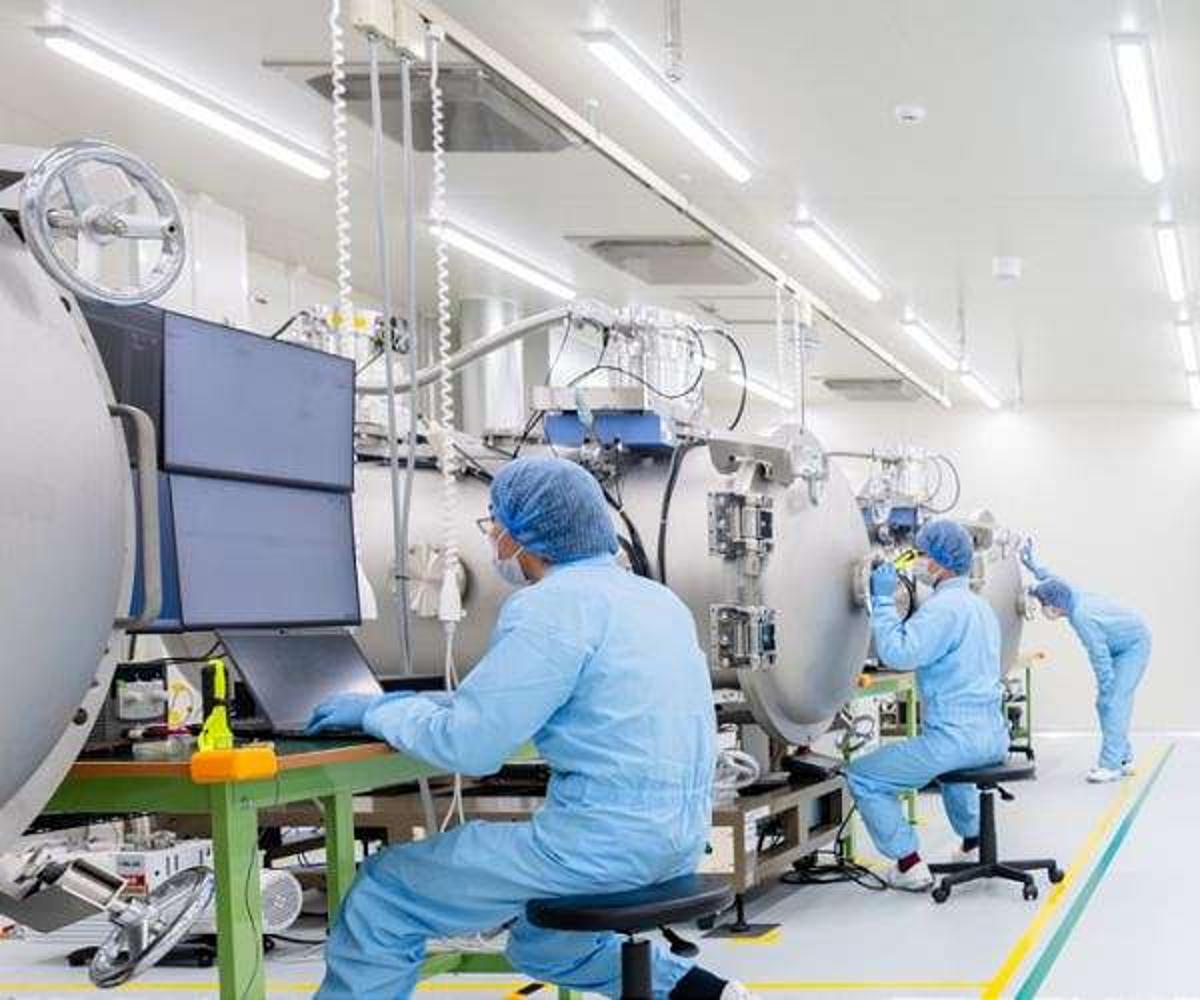
Pale Blue Opens Tsukuba Site to Scale Satellite Propulsion Production
•February 19, 2026
0
Why It Matters
The hub accelerates industrialisation of small‑sat propulsion, giving Pale Blue a competitive edge as satellite constellations scale worldwide. It also bolsters Japan’s space manufacturing ecosystem and regional economy.
Key Takeaways
- •New Tsukuba base centralizes full propulsion lifecycle
- •Facility includes ISO Class 8 cleanroom and test labs
- •Vertical integration speeds production, cuts lead times
- •Subsidy supports regional job creation and tech investment
- •Company targets growing global demand for electric propulsion
Pulse Analysis
The small‑sat market is entering a rapid expansion phase, driven by mega‑constellations and on‑demand data services. Electric propulsion, prized for its efficiency and low mass, has become a core requirement for maneuvering these fleets in low‑Earth orbit. Japan, traditionally strong in launch services, is now nurturing downstream capabilities, and Pale Blue’s new Tsukuba hub positions the country as a supplier of ready‑to‑integrate thrusters, reducing reliance on overseas vendors and shortening the supply chain for satellite manufacturers.
Vertical integration is a strategic lever for aerospace firms seeking to scale. By housing cleanrooms, vacuum chambers and vibration‑testing tables under one roof, Pale Blue eliminates hand‑off delays, standardises quality controls, and gathers real‑time production data to refine designs. Competitors that rely on dispersed subcontractors often face longer lead times and higher variability, which can jeopardise tight launch schedules. The Tsukuba facility’s ISO Class 8 environment ensures contamination‑free assembly, a critical factor for propulsion reliability, while the co‑located test bays accelerate verification cycles, enabling faster customer deliveries.
Beyond corporate gains, the Tsukuba base serves as an economic catalyst for Ibaraki Prefecture. The Ibaraki Prefecture Corporate Location Promotion Subsidy underscores local government confidence in high‑tech job creation and skill development. As Pale Blue recruits engineers and quality specialists, a talent pipeline emerges that can feed broader Japanese space initiatives, from lunar logistics to deep‑space probes. This synergy between industrial capacity and regional policy strengthens Japan’s position in the global space supply chain and supports the long‑term sustainability of satellite operations.
Pale Blue opens Tsukuba site to scale satellite propulsion production
0
Comments
Want to join the conversation?
Loading comments...