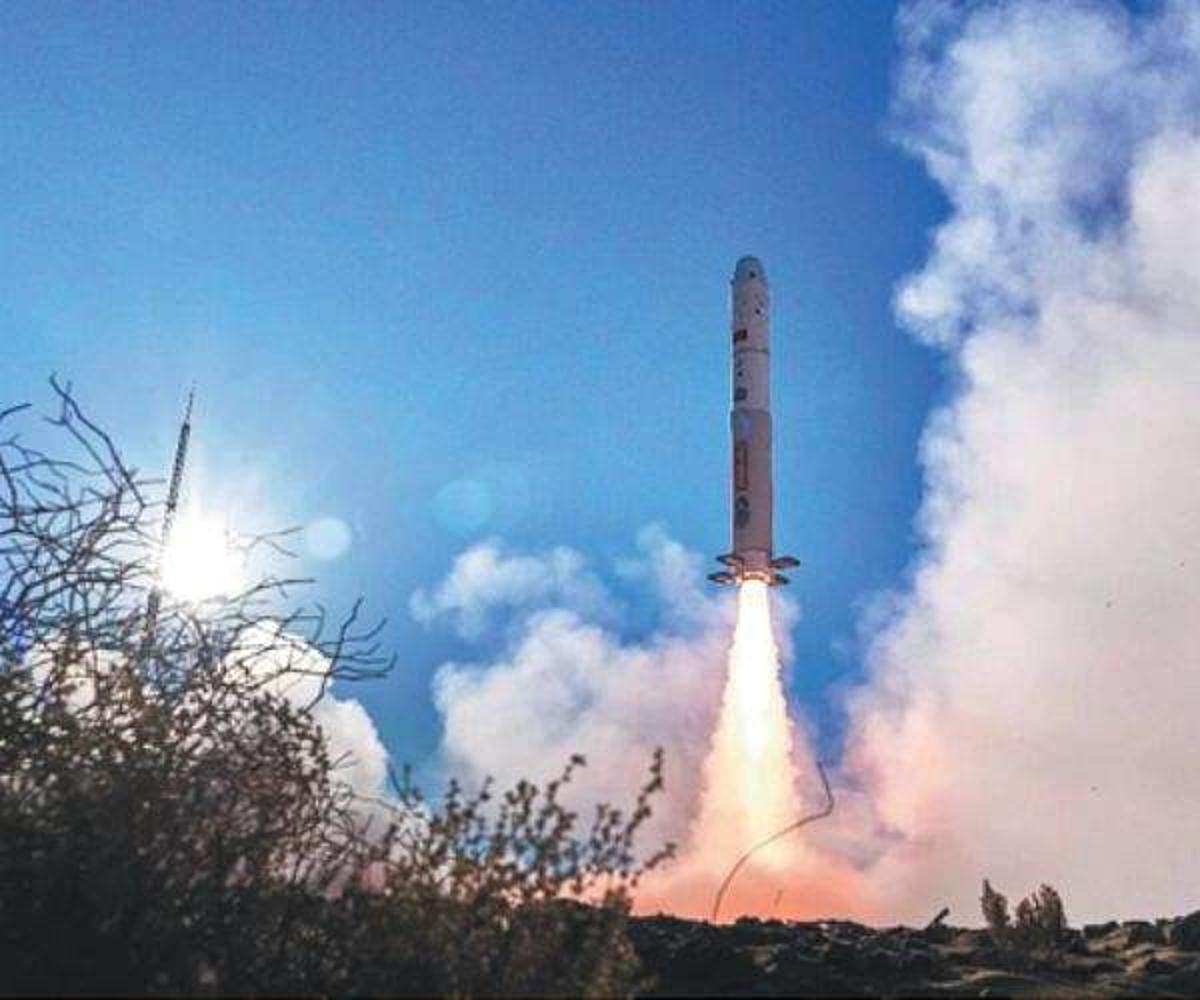
PH-1 Test Flight Advances Chinese Reusable Suborbital Spacecraft Plans
•January 13, 2026
0
Companies Mentioned

Why It Matters
The test validates a reusable architecture that could democratize access to suborbital space, strengthening China’s commercial space ecosystem and challenging established global players.
Key Takeaways
- •PH-1 completed first successful suborbital test flight
- •Reusable design targets rapid turnaround and reduced launch costs
- •CAS Space aims for microgravity experiments and tourism market
- •Flight validates thermal protection and autonomous landing systems
- •China’s commercial sector gains momentum against global competitors
Pulse Analysis
China’s reusable suborbital ambitions have taken a concrete step forward with the PH-1 test flight, conducted by Beijing‑based CAS Space. The vehicle, roughly the size of a small aircraft, incorporates a heat‑shielded capsule, parachute‑assisted descent and a propulsive landing system designed for rapid refurbishment. By achieving a controlled re‑entry and splash‑down, the flight proved that the core technologies—thermal protection, guidance, navigation and control—operate reliably in the harsh suborbital environment, a prerequisite for any commercial reuse model.
Beyond the engineering triumph, PH-1 targets a dual‑use market: low‑cost microgravity experiments and nascent space‑tourism flights. Researchers can now launch payloads for a few minutes of weightlessness at a fraction of traditional orbital costs, opening opportunities for universities, biotech firms and materials scientists. Simultaneously, the capsule’s passenger‑rated design, with a pressurized cabin and safety redundancies, positions CAS Space to capture a share of the growing tourism segment, where short, affordable suborbital trips are expected to outpace orbital experiences in the next decade.
The successful test also reshapes the competitive landscape. While the United States and Europe have long dominated reusable launch services, China’s commercial sector is rapidly closing the gap, leveraging state‑backed funding and a burgeoning private ecosystem. Regulatory clarity and a supportive policy environment are likely to accelerate further test flights and eventual commercial operations. As CAS Space scales PH-1 production, the broader industry can anticipate increased launch cadence, price pressure, and new partnership models that could redefine how scientific and leisure missions access space.
PH-1 test flight advances Chinese reusable suborbital spacecraft plans
0
Comments
Want to join the conversation?
Loading comments...