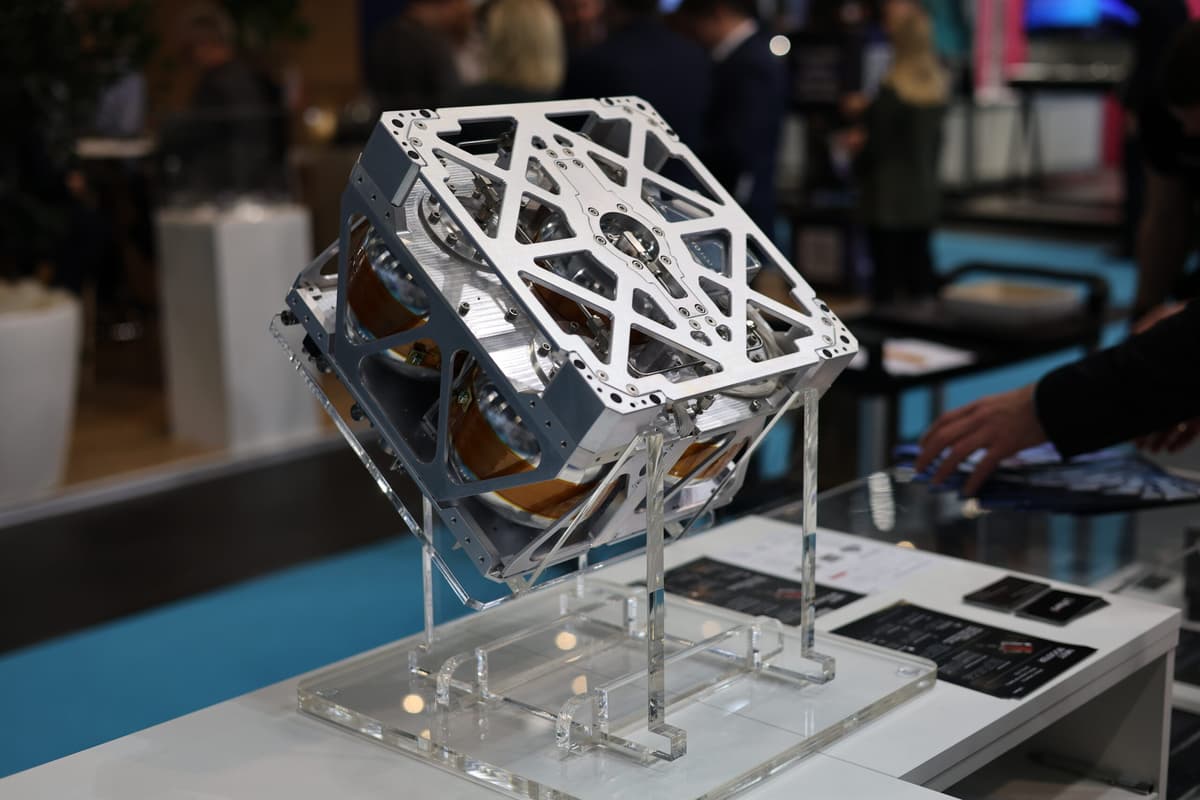
Poland-Based Liftero Will Provide Chemical Propulsion for Indian Firm OrbitAID’s In-Orbit Servicing Mission
•March 5, 2026
0
Why It Matters
The agreement proves that environmentally friendly chemical propulsion can meet the precision demands of on‑orbit servicing, accelerating the commercial satellite life‑extension market. It also highlights growing Europe‑India collaboration in sustainable space operations.
Key Takeaways
- •Liftero supplies N₂O boosters for OrbitAID’s 2026 mission
- •First nitrous‑oxide propulsion delivering 6‑DOF in‑orbit servicing
- •Boosters enable precise chaser and target spacecraft maneuvering
- •Partnership underscores green propulsion’s market readiness
- •Supports OrbitAID’s satellite refueling and debris‑reduction goals
Pulse Analysis
Green chemical propulsion is gaining traction as the space industry seeks lower‑emission alternatives to traditional monopropellants. Liftero, Poland’s leading developer of space‑qualified nitrous‑oxide thrusters, has refined its BOOSTER system to provide high‑thrust, rapid‑response capability while maintaining a non‑toxic footprint. By leveraging N₂O’s storability and clean exhaust, the company positions itself to meet the stringent safety and environmental standards increasingly demanded by satellite operators and regulators.
OrbitAID’s upcoming mission will employ two Liftero BOOSTER units to power both the chaser and target spacecraft, enabling six‑degree‑of‑freedom control for delicate proximity operations. This 6‑DOF capability is critical for tasks such as docking, refueling, and component replacement, which require precise attitude and translation adjustments. The use of a custom‑configured propulsion package demonstrates how flexible, cost‑effective green thrusters can be integrated into complex mission architectures, potentially lowering launch costs and shortening development timelines for commercial on‑orbit servicing.
The collaboration signals a broader shift toward sustainable, cross‑border space solutions. By combining European propulsion expertise with Indian servicing ambitions, the partnership could accelerate the rollout of orbital fuel depots and debris‑mitigation services. As satellite constellations expand, the ability to extend asset lifespans and safely de‑orbit defunct hardware will become a market differentiator, driving investment in green propulsion technologies and fostering a new era of collaborative space infrastructure.
Poland-based Liftero will provide chemical propulsion for Indian firm OrbitAID’s in-orbit servicing mission
0
Comments
Want to join the conversation?
Loading comments...