Predicting the Sun's Most Violent Outbursts
•March 2, 2026
0
Why It Matters
Providing months‑ahead warnings transforms how satellite operators, power‑grid managers, and space agencies mitigate the severe economic and safety impacts of super‑flares.
Key Takeaways
- •Forecasting model predicts super‑flare risk up to a year
- •Two solar cycles (1.7‑yr, 7‑yr) drive magnetic energy buildup
- •Model validated by unseen far‑side X‑class flares
- •Peak danger windows: mid‑2025‑mid‑2026 south, early‑mid‑2027 north
- •Early warnings aid satellite, grid, and mission planning
Pulse Analysis
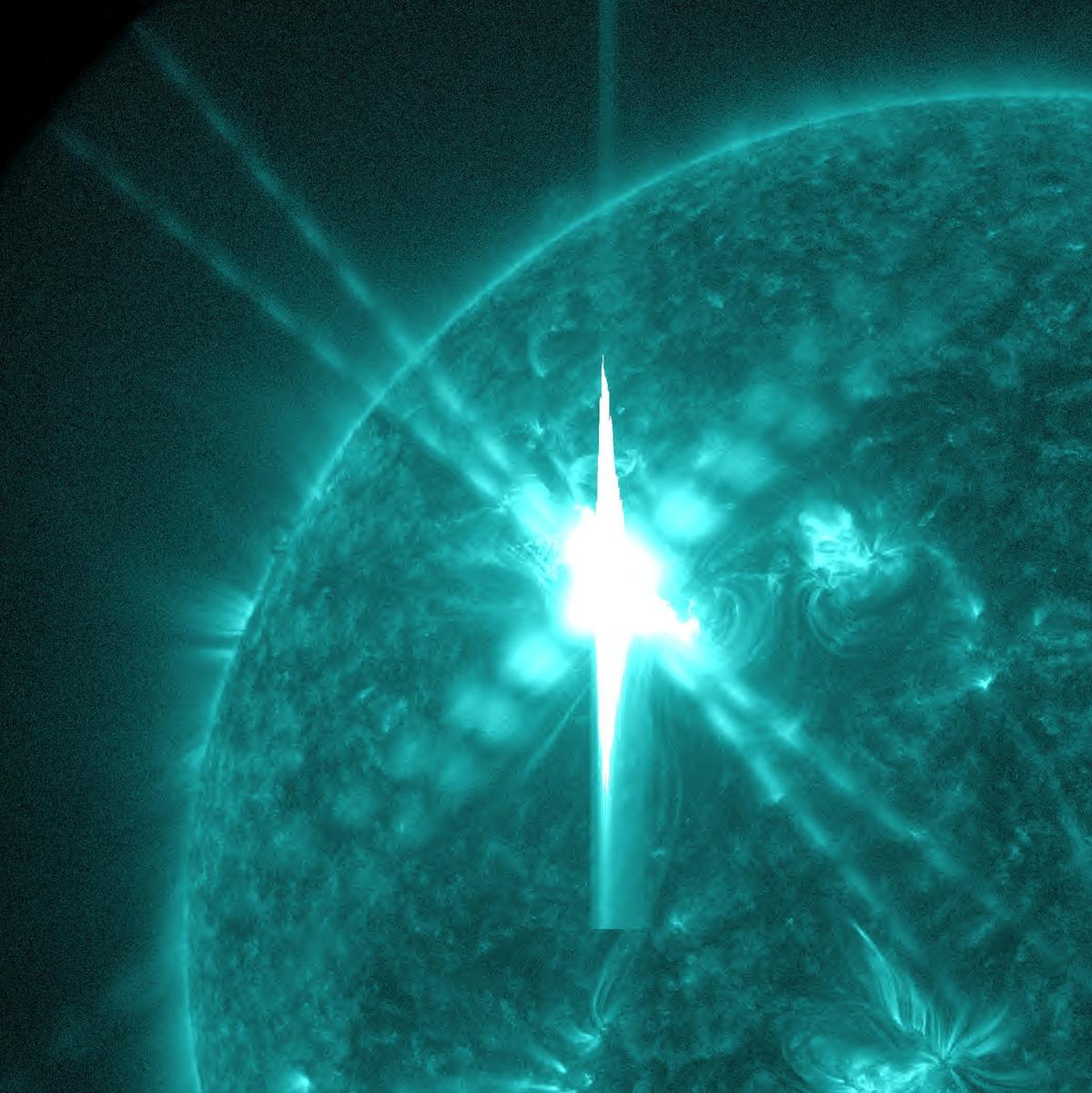
Solar activity has long been a wildcard for modern infrastructure, with X‑class flares capable of crippling communications, navigation, and power systems. While routine monitoring can spot imminent eruptions, the lack of long‑range forecasts has forced operators to react rather than prepare. The recent surge of six X‑class flares in early February underscored the urgency for a predictive tool that looks beyond the immediate solar surface, especially as humanity’s reliance on space‑based assets deepens.
The breakthrough stems from a half‑century of GOES X‑ray observations, where analysts identified two previously hidden rhythmic cycles—one spanning 1.7 years and another seven years. These cycles govern magnetic energy accumulation in discrete solar zones. Coupled with machine‑learning algorithms, the system now projects elevated super‑flare probabilities months ahead and maps the most vulnerable hemispheric regions. Validation arrived unexpectedly when ESA’s Solar Orbiter revealed far‑side X‑class flares that matched the model’s forecasts, confirming its applicability across the entire solar sphere.
For industry, the ability to schedule satellite maneuvers, harden grid components, and adjust mission timelines months in advance represents a paradigm shift. Power utilities can pre‑emptively activate protective relays, while space agencies can align launch windows with lower solar risk, potentially saving billions in avoided damage. As the model refines with new data, it promises to become a cornerstone of space weather resilience, guiding both commercial and governmental stakeholders through the increasingly volatile space environment.
Predicting the Sun's Most Violent Outbursts
0
Comments
Want to join the conversation?
Loading comments...