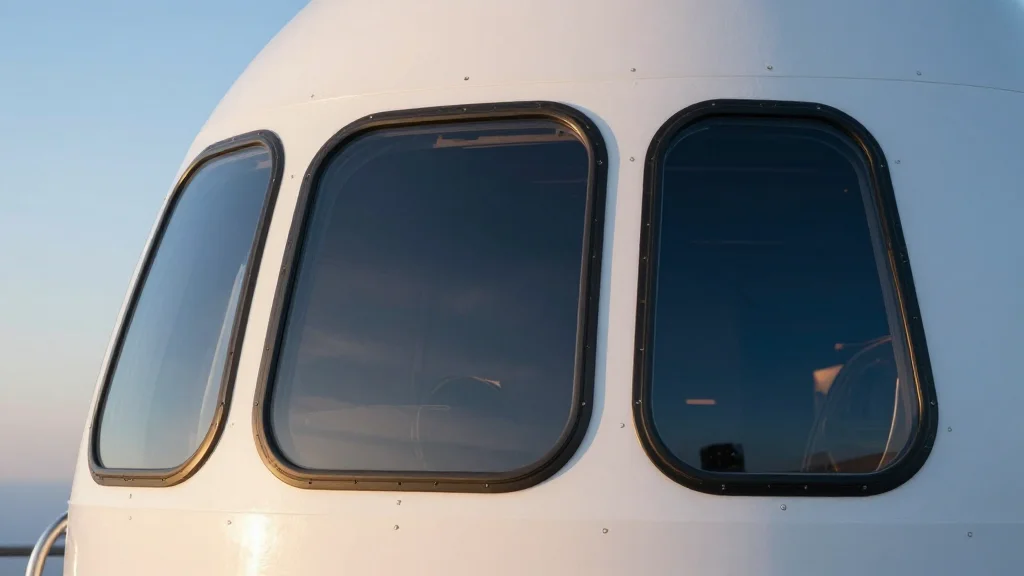
Private Space Tourism Is Taking Off—But Laws on Outer Space Are From Another Era
Companies Mentioned

Why It Matters
The gap between booming commercial demand and outdated legal frameworks threatens passenger safety, amplifies climate risks, and undermines the treaty principle that space benefits all humanity.
Key Takeaways
- •140 tourists have flown since 2001, industry scaling rapidly
- •FAA passenger‑safety rule moratorium runs until 2028
- •Suborbital flights emit 400‑1,000× more CO₂ per hour than jets
- •Seats cost $750k–$60 million, limiting access to ultra‑wealthy
- •Outer Space Treaty lacks enforcement, leaving safety and equity gaps
Pulse Analysis
The commercial space‑tourism market has moved from a niche novelty to a multi‑billion‑dollar sector in just a quarter‑century. Blue Origin’s New Shepard, Virgin Galactic’s VSS Unity and Axiom’s ISS missions together account for the 140 paying tourists recorded to date, while ticket prices range from a $750,000 deposit for suborbital hops to $60 million for orbital stays. This price premium confines participation to the ultra‑rich, turning what could be a democratizing frontier into an exclusive luxury experience.
Legal oversight, however, has not kept pace. The 1967 Outer Space Treaty obliges states to supervise private activities, yet it provides no enforcement mechanism, leaving compliance to diplomatic pressure. In the United States, the Federal Aviation Administration issues launch and re‑entry licenses but has been barred by Congress from imposing new passenger‑safety standards until 2028. Once a vehicle reaches orbit, FAA jurisdiction ends, creating a regulatory blind spot for the very missions that generate the highest risk and revenue. Industry leaders and policymakers are calling for binding safety regulations and clear authority over orbital commercial operations.
Environmental concerns add another layer of urgency. Although suborbital rockets like New Shepard burn hydrogen and emit only water vapor, studies show that rocket exhaust releases soot and greenhouse gases high in the atmosphere, producing 400‑1,000 times more CO₂ per passenger‑hour than commercial aviation. Cumulative launch activity could alter ozone recovery and accelerate upper‑atmosphere warming. To align the sector with broader climate goals, regulators must expand impact assessments beyond ground‑level noise, incorporating upper‑atmosphere pollution metrics and mandating transparent reporting. Simultaneously, updating the Outer Space Treaty to address equity, benefit‑sharing, and environmental stewardship will be essential to ensure space remains a global commons rather than a playground for the affluent.
Private space tourism is taking off—but laws on outer space are from another era
Comments
Want to join the conversation?
Loading comments...