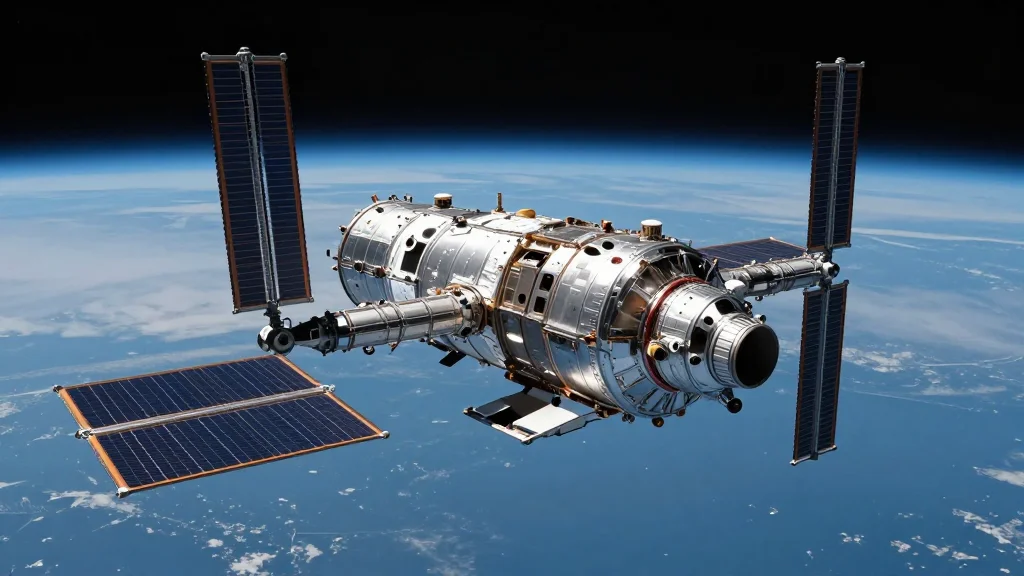
Q&A: U.S. House Space Subcommittee Chair on Extending ISS, Fostering Commercial LEO Market
Why It Matters
Extending the ISS and supporting private LEO stations are critical to maintaining U.S. leadership in space and avoiding a strategic vacuum in low‑Earth orbit.
Key Takeaways
- •ISS may stay operational past 2030 with a core module
- •Only one commercial LEO station currently funded by NASA
- •Russian ISS modules pose long‑term safety risks
- •Congressional funding decisions will shape U.S. LEO presence
- •Market demand for LEO research remains uncertain
Pulse Analysis
The debate over the International Space Station’s fate has moved from NASA’s internal planning to Capitol Hill, where Rep. Mike Haridopolos leads the House Space and Aeronautics Subcommittee. With the ISS slated for de‑orbit around 2031, lawmakers are weighing a cost‑effective extension strategy that adds a new core module to the existing platform. This approach could buy several years of U.S. presence in low‑Earth orbit while the commercial sector matures, avoiding the expense of dismantling the station and launching a brand‑new habitat. The proposal aligns with the recent NASA reauthorization bill, which directs the agency to explore options for preventing a LEO gap and includes language to extend ISS operations to 2032.
Commercial LEO stations are at a crossroads. NASA’s current budget can only support one private station, a shortfall that threatens the United States’ ability to host research, manufacturing, and national security missions once the ISS retires. Industry players are lobbying for clearer market signals, but the sector still lacks the robust demand needed to justify large‑scale investment. Haridopolos stresses that taxpayer dollars must be spent wisely, urging the committee to assess both the economic viability of a new station and the potential for private entities to fill the research pipeline. The outcome will influence whether the U.S. builds a single, government‑backed commercial platform or encourages a broader ecosystem of private habitats.
Geopolitical considerations add urgency to the discussion. The Russian segments of the ISS have shown structural cracks, raising safety concerns and highlighting the risks of dependence on foreign partners. Simultaneously, China’s rapid advancements in its own LEO capabilities intensify competition for orbital real estate. By extending the ISS and fostering a home‑grown commercial market, the United States can safeguard its strategic autonomy in space. The subcommittee’s hearings and forthcoming budget decisions will therefore shape not only the economics of low‑Earth‑orbit activities but also the broader balance of power in the emerging space economy.
Q&A: U.S. House space subcommittee chair on extending ISS, fostering commercial LEO market
Comments
Want to join the conversation?
Loading comments...